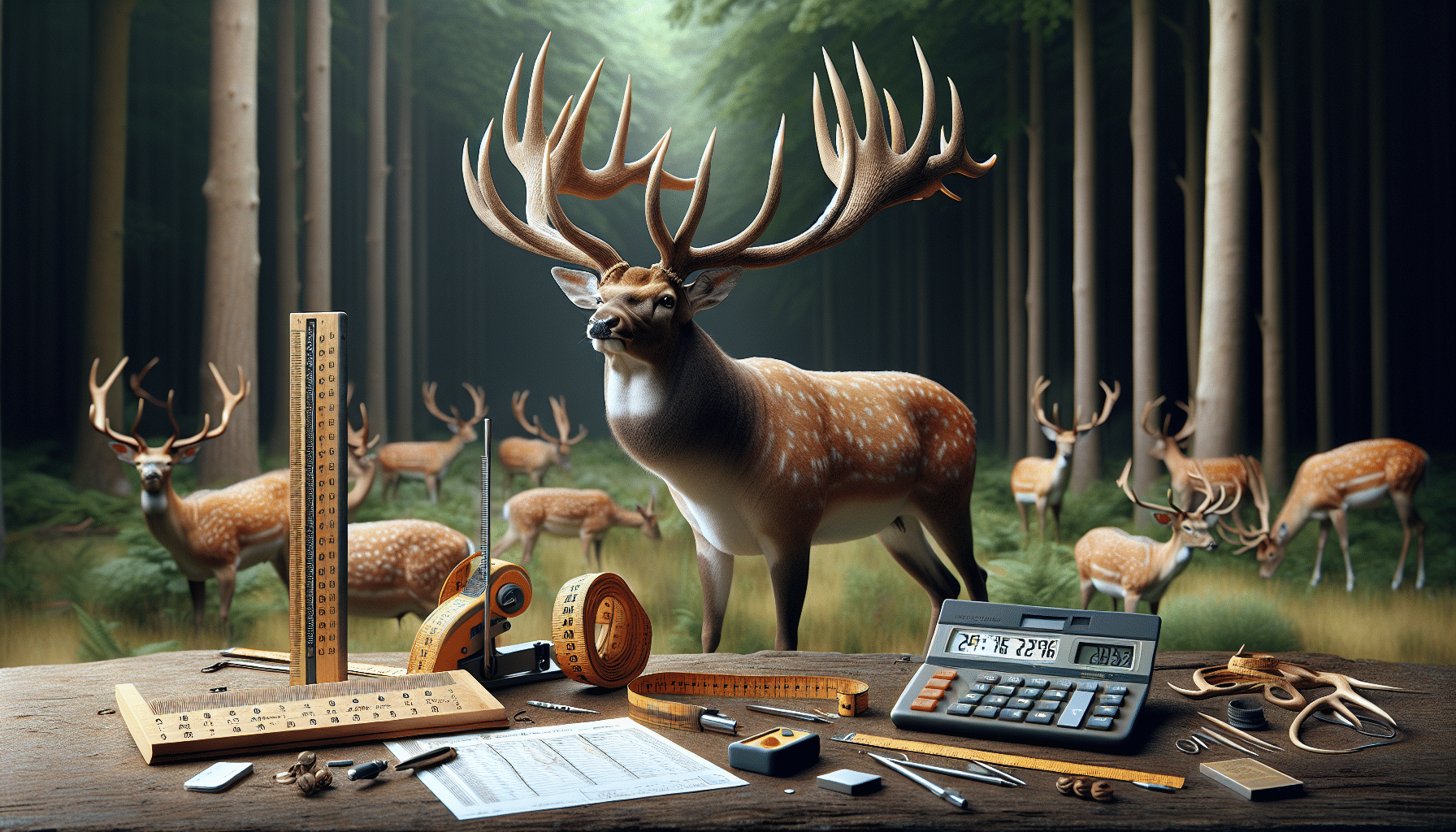
Deer Senses Explained: How Deer See, Hear, and Smell the World
Deer survive by detecting danger before danger detects them, and their three primary senses divide that job cleanly: smell is the long-range lie detector, hearing

Deer survive by detecting danger before danger detects them, and their three primary senses divide that job cleanly: smell is the long-range lie detector, hearing
Rarely — coneflowers are among the most dependable deer-resistant flowers you can plant. Echinacea defends itself three ways at once: rough, hairy foliage deer dislike
Rarely — black-eyed Susans are one of the more dependable deer-resistant perennials. The leaves and stems of Rudbeckia are covered in coarse, bristly hairs that
Deer stay warm in winter through a remarkable combination of equipment and strategy: a two-layer winter coat whose hollow guard hairs trap insulating air, a
Yes — deer eat corn eagerly, and it may be the crop they damage most. Deer graze corn at every stage: tender seedlings in spring,
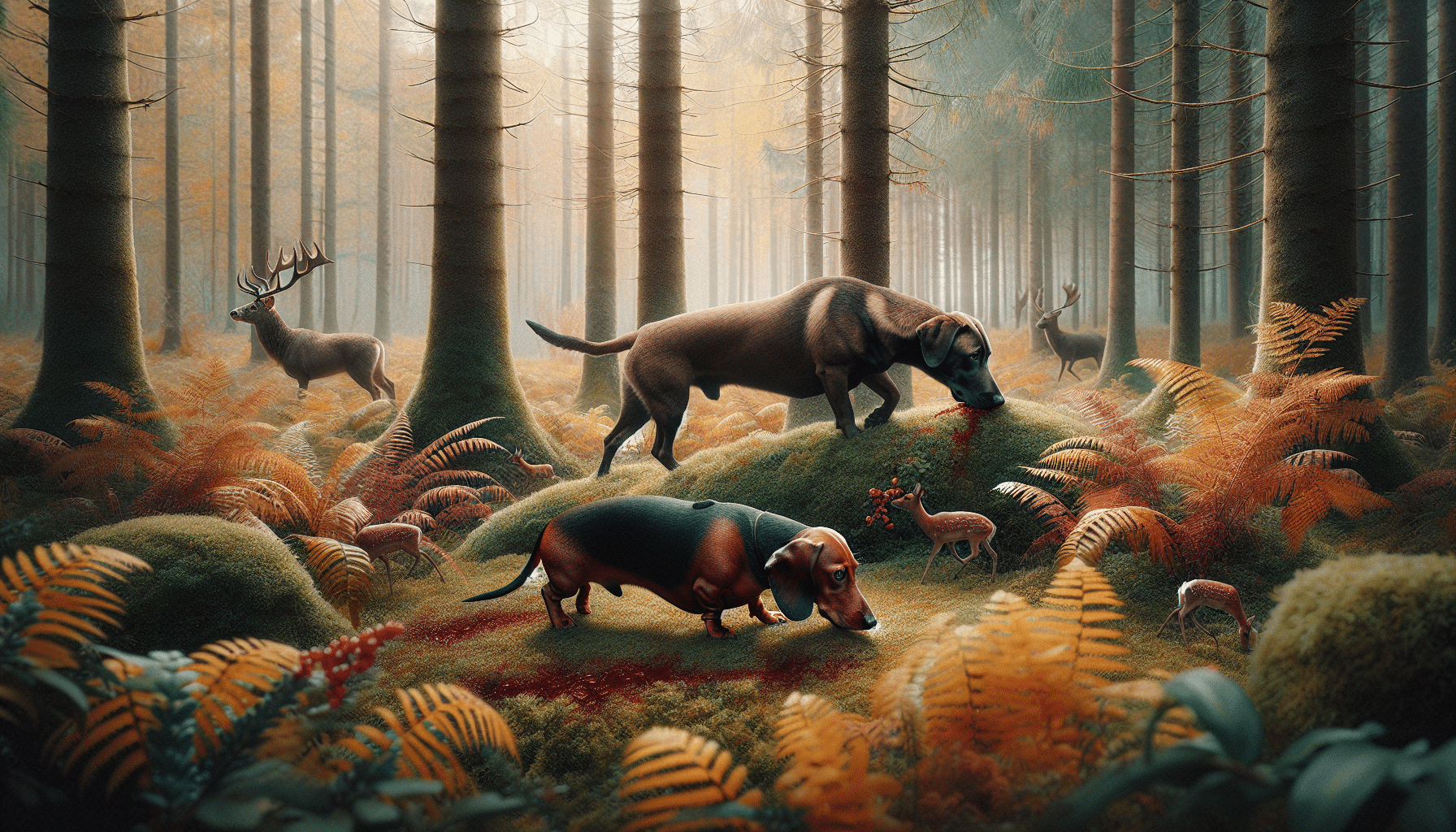
During the day, most deer are bedded down in thick cover, resting, chewing their cud, and letting their eyes, ears, and nose stand guard while
Yes — deer eat zucchini, though the plant fights back a little. The big leaves and stems are covered in stiff, prickly hairs that deer
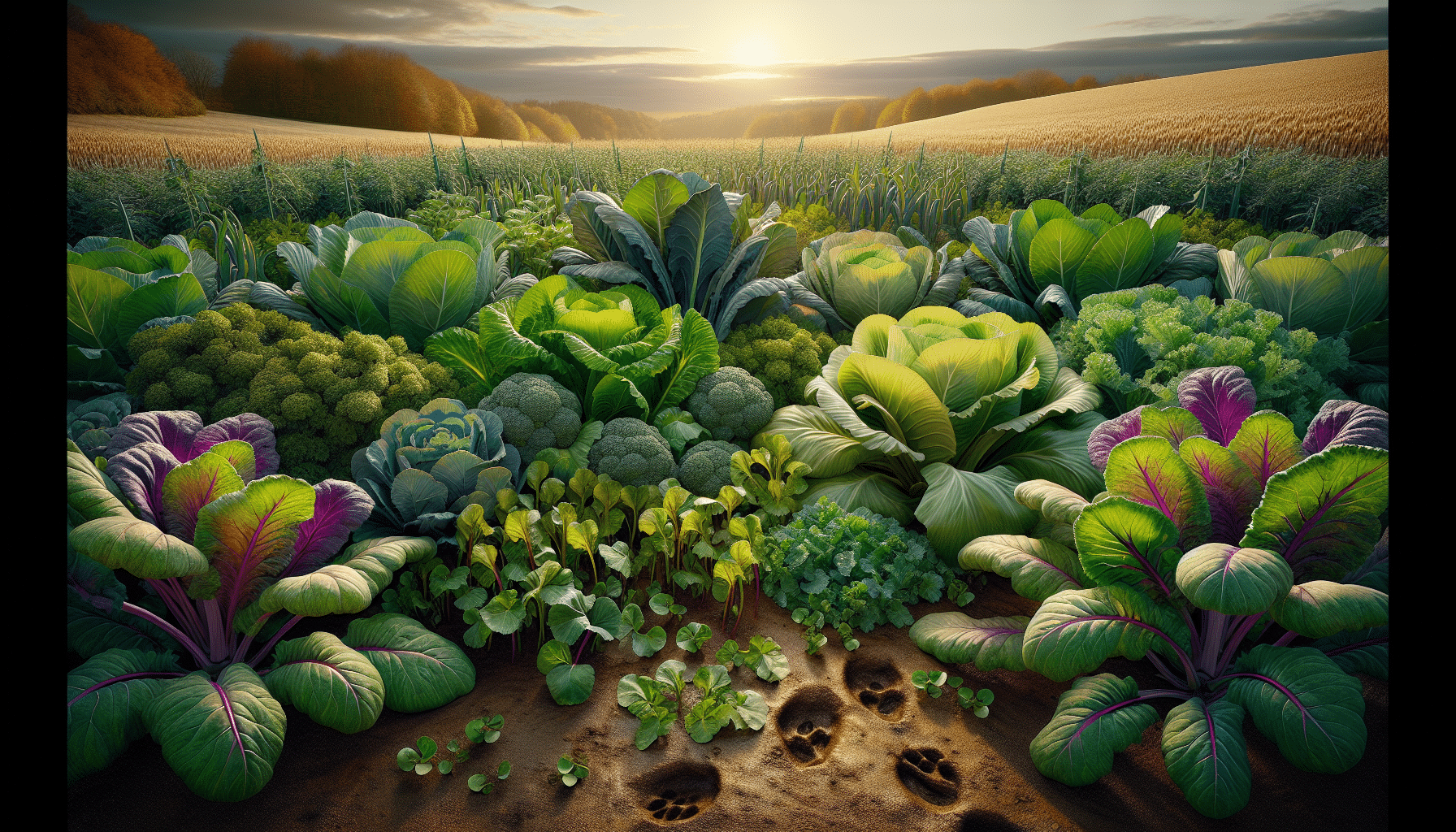
Most deer drink free-standing water regularly, often daily when it’s convenient, but deer are far less tied to waterholes than most people assume, because a
Yes — deer eat vegetable gardens, and given the chance they’ll eat most of what’s in yours. A vegetable plot is the richest concentration of
Mostly no — deer generally avoid succulents, but “generally” is doing real work in that sentence. Waxy coatings, bitter or astringent sap, and odd textures
Deer are herbivores, and plants make up essentially all of their diet, but the surprising truth is that deer do occasionally eat meat. Deer have
Deer protect their fawns mainly by hiding them rather than guarding them. A doe conceals her newborn in dense cover, stays away most of the

Yes — deer eat blueberries, and not just the fruit. Deer browse blueberry bushes in every season: dormant buds and twigs in winter, tender new
Yes — deer eat lilies, and both true lilies and daylilies rank among their absolute favorite garden plants. Daylilies are rated “frequently severely damaged” —
The main predators of fawns in North America are coyotes, black bears, and bobcats, joined regionally by wolves, mountain lions, and, less often, golden eagles,
Deer appear able to recognize individual humans, at least in a practical sense. Deer are observant, quick-learning animals with good memories, and plenty of real-world
Yes — deer eat sweet potato vine, and they eat it like candy. The ornamental sweet potato (Ipomoea batatas) is one of the most vulnerable

No. Male deer play no part in raising fawns. A buck’s involvement ends at mating: he does not help choose a birth site, does not
No, deer do not mate for life. Deer are polygamous animals: a successful buck breeds with multiple does each season, forms no lasting pair bond
A fawn’s main sound is a bleat: a soft, high-pitched “maa” or “mew” that sounds a lot like a lamb or a goat kid. Fawns
Yes — deer eat clematis, and they can do serious damage to it. Despite mildly toxic sap that gives the vine a sharp taste, clematis
Deer hide their fawns in patches of dense, low cover: tall grass, weedy field edges, brushy fencerows, hayfields, thickets, and, quite often, suburban flowerbeds, gardens,
Yes — deer eat rhododendrons, particularly in winter, even though the leaves are toxic to ruminants in large amounts. Rhododendrons aren’t a first-choice food, but
Updated on September 7, 2026. Chronic wasting disease is a fatal prion disease of deer, elk, and moose. It is not a virus, not a