Where Do Deer Go During the Day?
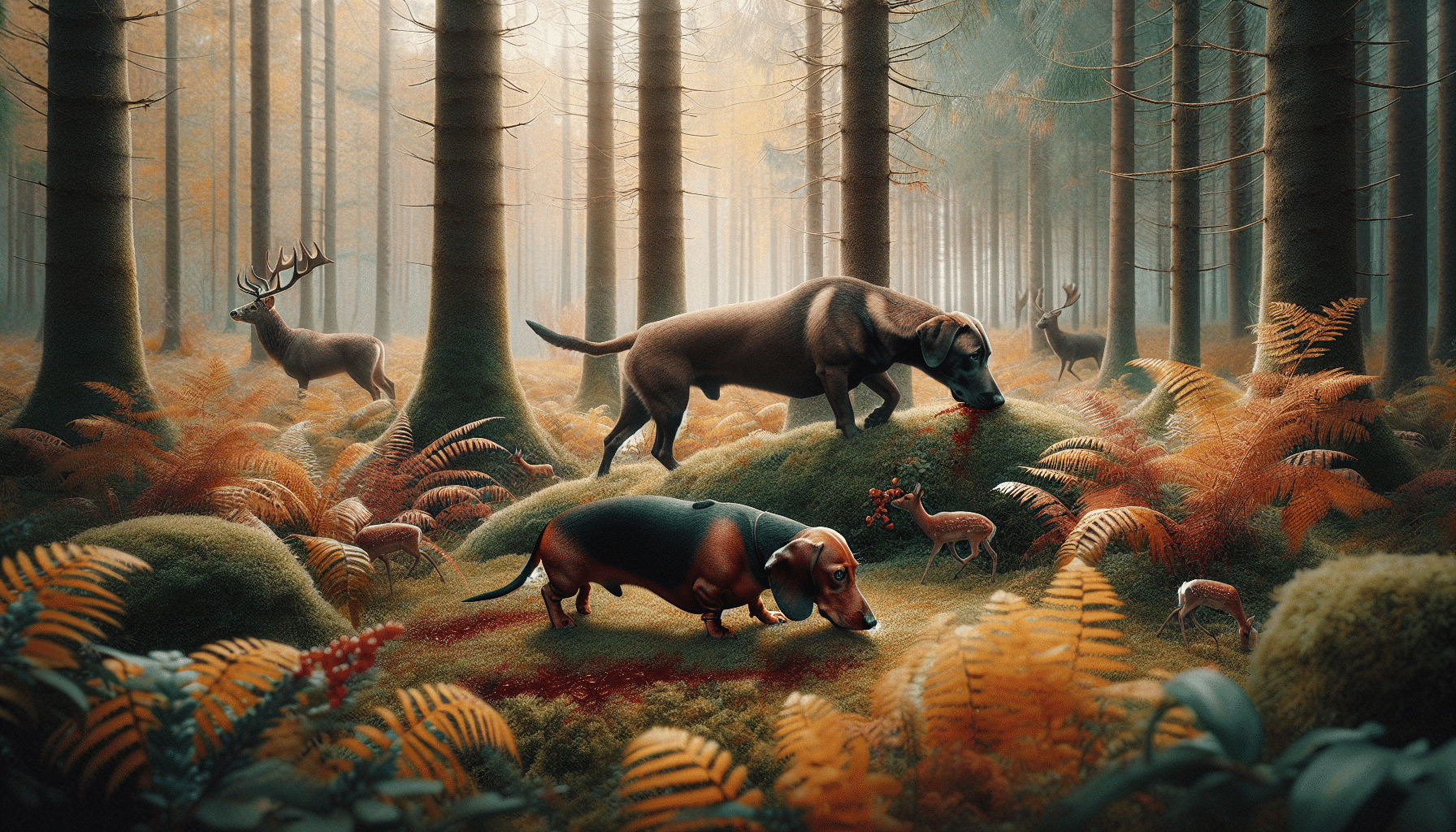
During the day, most deer are bedded down in thick cover, resting, chewing their cud, and letting their eyes, ears, and nose stand guard while

During the day, most deer are bedded down in thick cover, resting, chewing their cud, and letting their eyes, ears, and nose stand guard while
How much you should feed your dog depends on five things: body weight, age, activity level, breed size, and whether your dog is spayed or
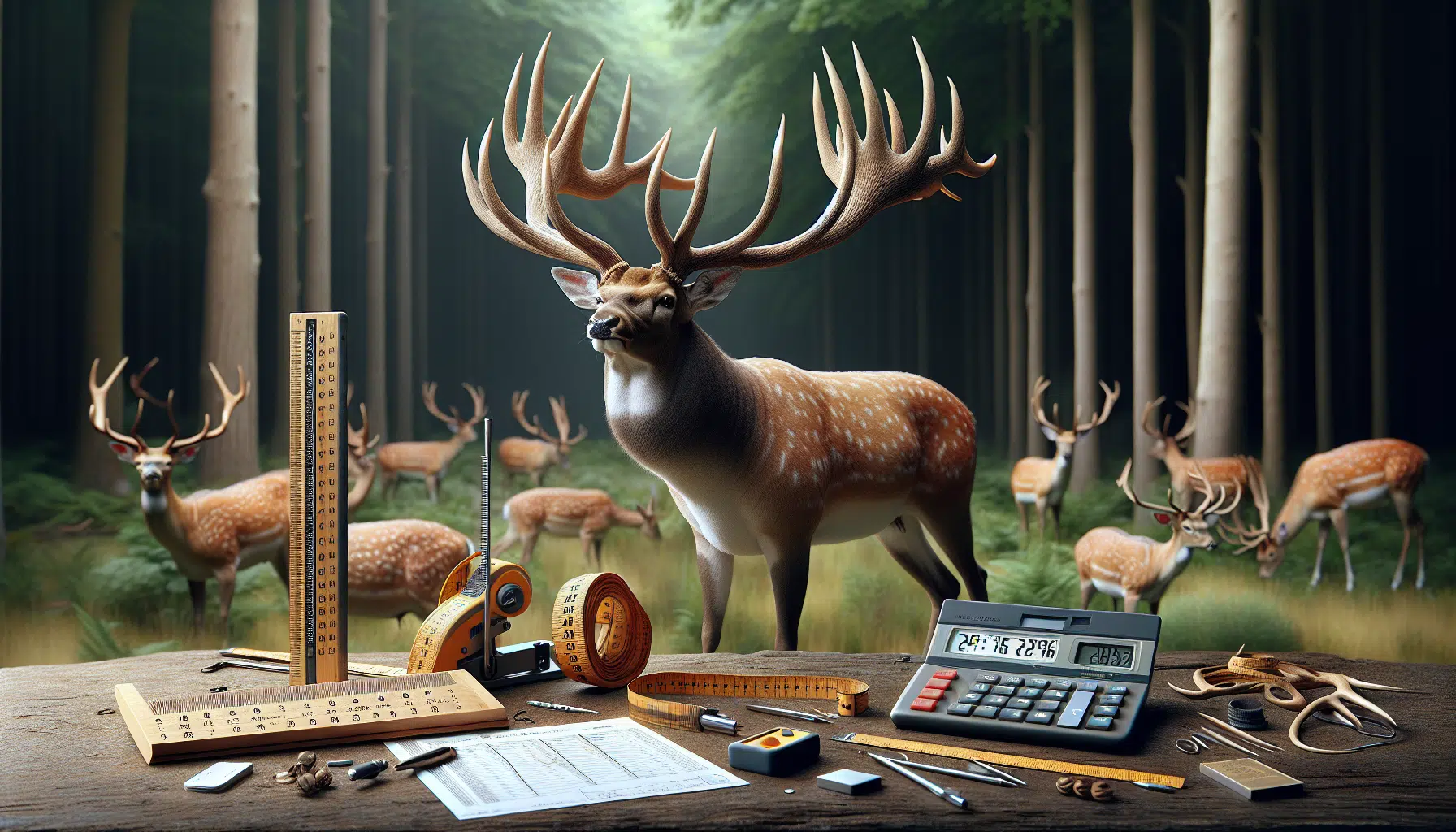
Yes — deer eat zucchini, though the plant fights back a little. The big leaves and stems are covered in stiff, prickly hairs that deer

Elk are generally not dangerous to people who keep their distance, and attacks are rare. But elk are large, powerful wild animals, and they injure

Bats are among the most economically and ecologically valuable wild animals on Earth. They are the night shift of the natural world: eating crop-destroying insects
Wolves and coyotes are close cousins that are mistaken for each other constantly — but once you know what to look for, they’re surprisingly easy
Most deer drink free-standing water regularly, often daily when it’s convenient, but deer are far less tied to waterholes than most people assume, because a
Rabbits cannot eat chocolate, avocado, onions, garlic, rhubarb, raw potatoes, fruit seeds and pits, iceberg lettuce, bread, dairy, meat, nuts, or most processed human foods.

A handful of everyday foods — chocolate, anything sweetened with xylitol, grapes and raisins, onions and garlic, macadamia nuts, and alcohol — are genuinely toxic

The flap of skin and fur hanging under a moose’s throat is called a dewlap — or, more commonly in moose circles, a “bell” —
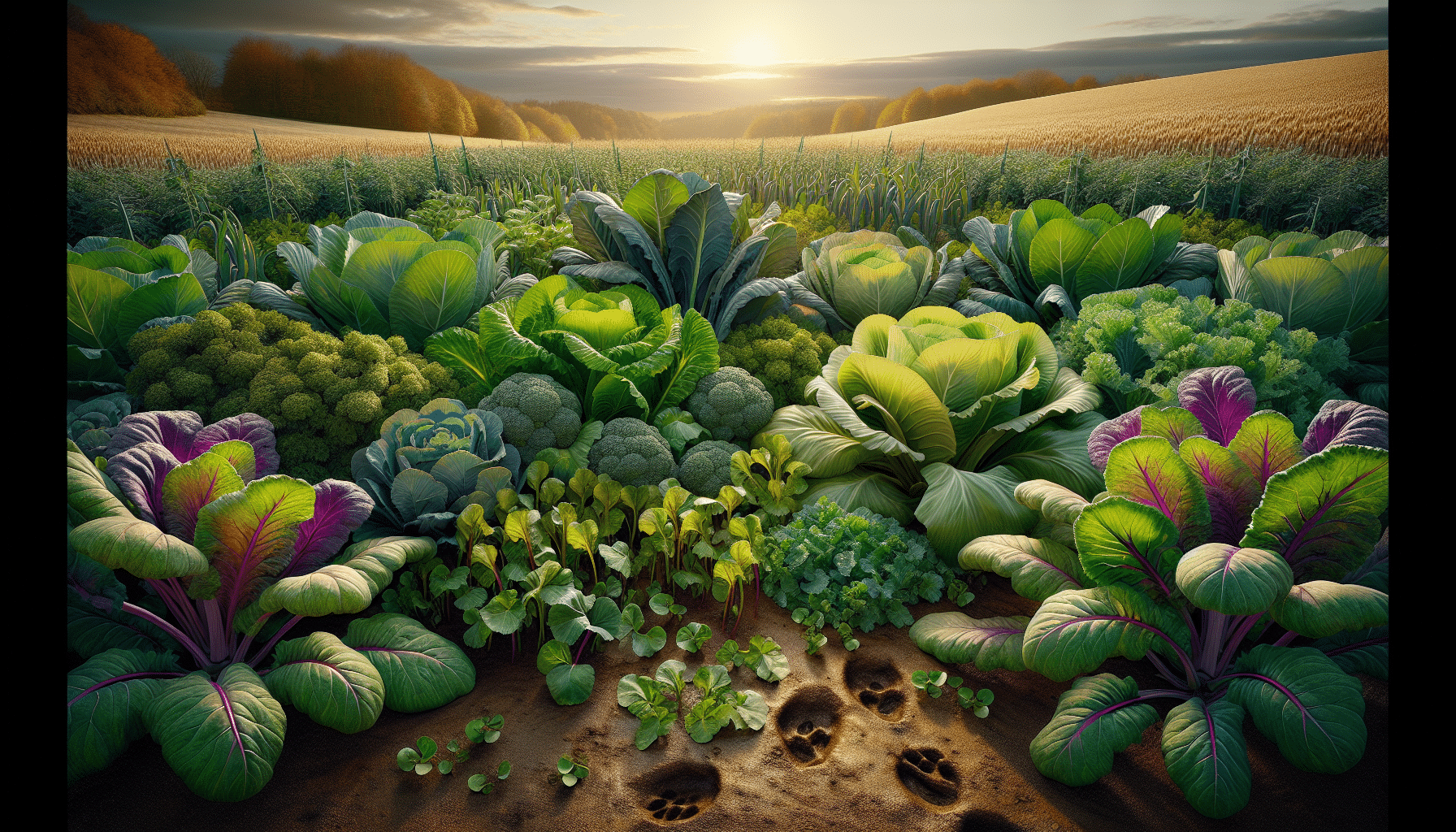
Yes — deer eat vegetable gardens, and given the chance they’ll eat most of what’s in yours. A vegetable plot is the richest concentration of

Reindeer and elk are two entirely different deer species. The elk (Cervus canadensis) is much larger — a bull elk can weigh roughly twice as
Deer and kangaroos could hardly be more distantly related — one is a placental mammal of the deer family Cervidae, the other a marsupial that
Mostly no — deer generally avoid succulents, but “generally” is doing real work in that sentence. Waxy coatings, bitter or astringent sap, and odd textures
Deer are herbivores, and plants make up essentially all of their diet, but the surprising truth is that deer do occasionally eat meat. Deer have
Deer protect their fawns mainly by hiding them rather than guarding them. A doe conceals her newborn in dense cover, stays away most of the

Yes — deer eat blueberries, and not just the fruit. Deer browse blueberry bushes in every season: dormant buds and twigs in winter, tender new
Deer and goats are not close relatives, even though both are hoofed, cud-chewing browsers of similar size. Deer belong to the family Cervidae and grow
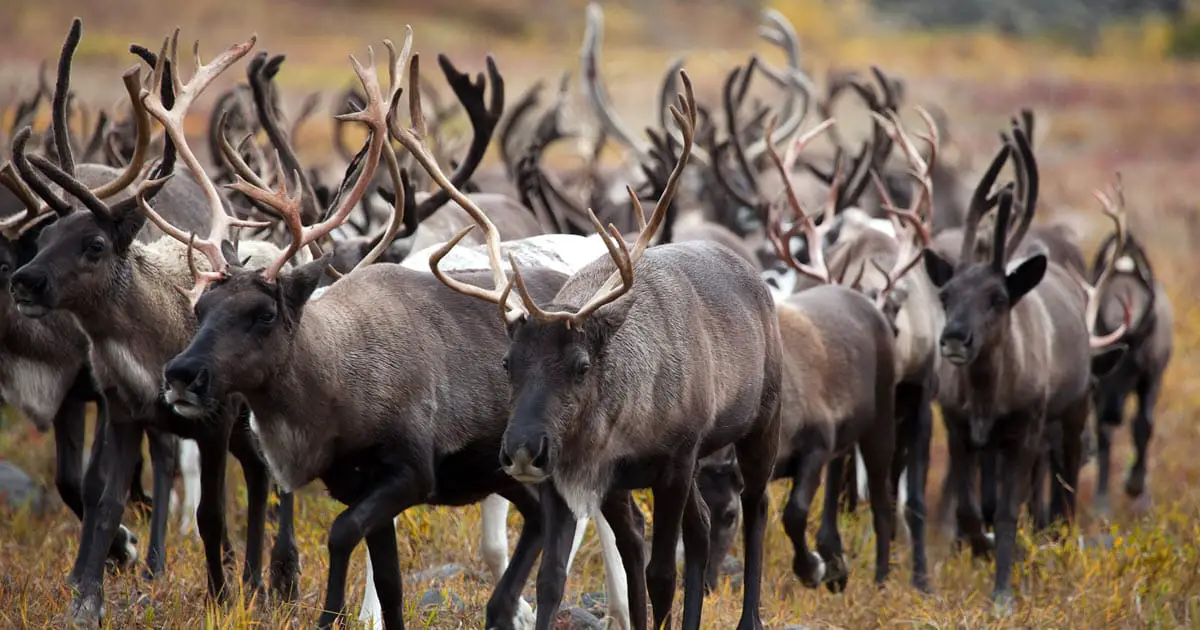
Caribou are not endangered as a species, but their overall picture is genuinely worrying. The IUCN lists Rangifer tarandus — the single species that includes
Yes — deer eat lilies, and both true lilies and daylilies rank among their absolute favorite garden plants. Daylilies are rated “frequently severely damaged” —
The main predators of fawns in North America are coyotes, black bears, and bobcats, joined regionally by wolves, mountain lions, and, less often, golden eagles,
Deer appear able to recognize individual humans, at least in a practical sense. Deer are observant, quick-learning animals with good memories, and plenty of real-world
A moose is taller than almost any horse. A mature bull moose stands roughly 5.5 to 6.9 feet at the shoulder — the biggest Alaskan
Yes — deer eat sweet potato vine, and they eat it like candy. The ornamental sweet potato (Ipomoea batatas) is one of the most vulnerable