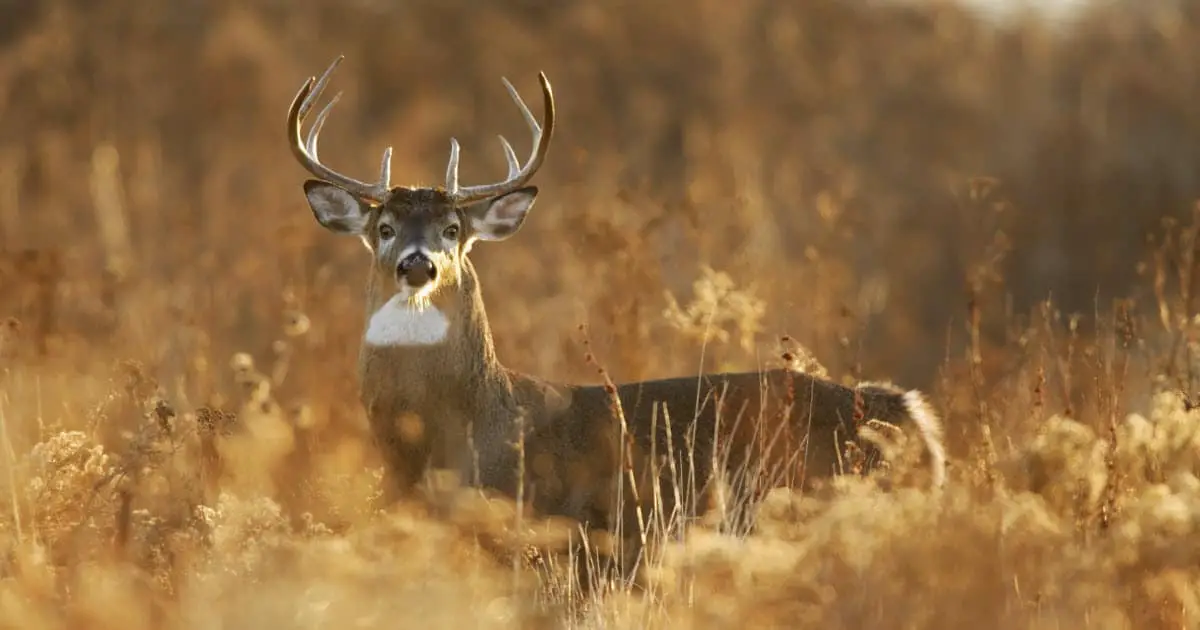
White-Tailed Deer
White-tailed deer (Odocoileus virginianus) are the most widespread wild ungulate in the Americas, ranging from southern Canada through Central America into northern South America. Typical

White-tailed deer (Odocoileus virginianus) are the most widespread wild ungulate in the Americas, ranging from southern Canada through Central America into northern South America. Typical
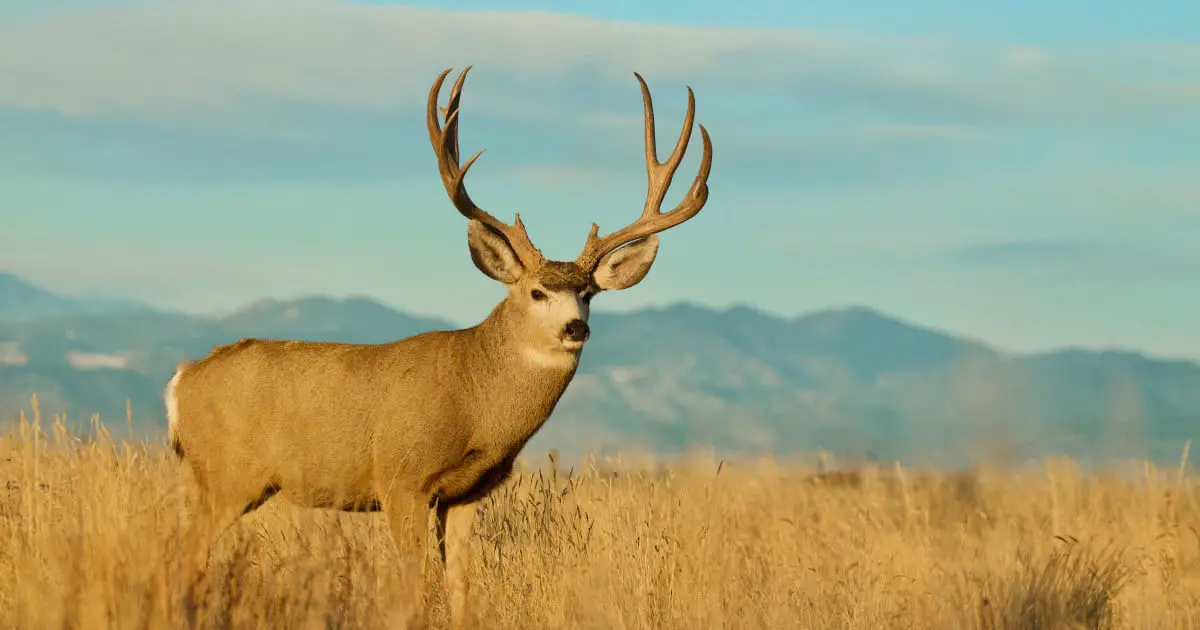
Mule deer (Odocoileus hemionus) are the big-eared deer of western North America, ranging from the Yukon and southeastern Alaska to central Mexico. Typical Rocky Mountain

Updated on September 7, 2026. The European roe deer (Capreolus capreolus) is Europe’s small native woodland deer: rusty-red in summer, grey in winter, almost no

The Persian Fallow Deer (Dama mesopotamica), is a very rare middle-eastern deer. Today this deer has ranges in Iran and Israel. Sometimes, this deer is
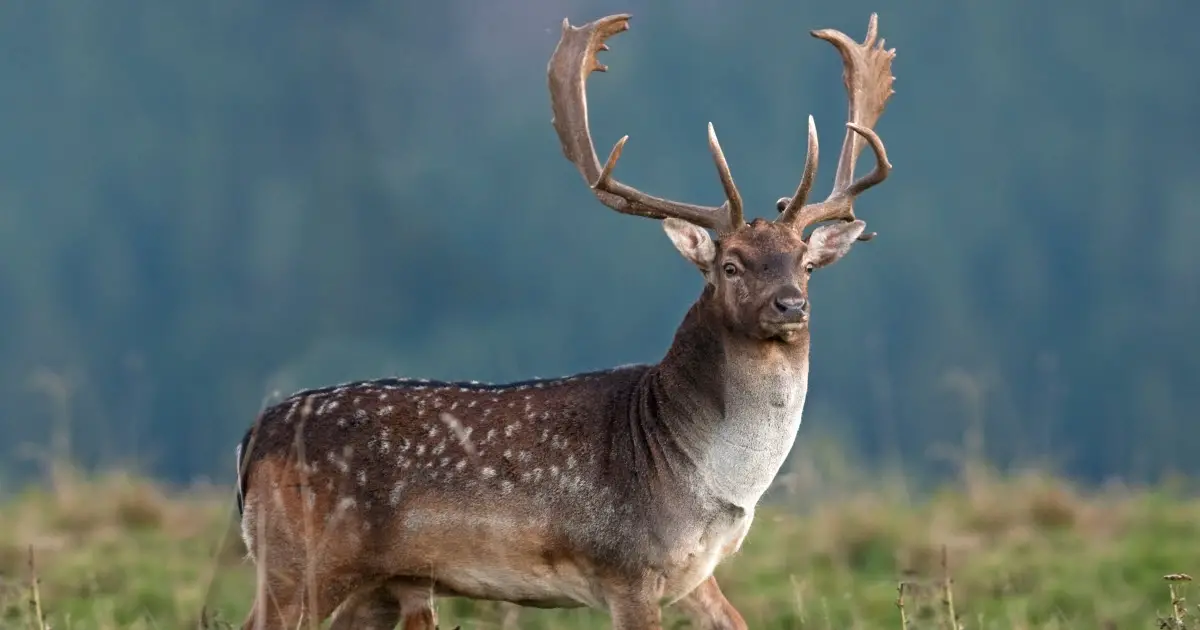
Fallow deer (Dama dama) are medium-sized Old World deer. Mature bucks grow palmate, shovel-shaped antlers; adults keep a black-edged white rump and one of four

Native to the river valleys of China, the Pere David Deer (Elaphurus davidianus) is sometimes referred to as the Milu or the Elaphur.

The Indian Hog Deer (Cervus porcinus) is a stocky species of deer native to India that now lives in India, Pakistan, and southeastern Asia. It

The Bawean Deer (Hyelaphus kuhlii) is also commonly referred to as Kuhl’s Deer or the Bawean Hog Deer. This species is very threatened, and can

Updated on September 7, 2026. The axis deer, or chital (Axis axis), is a medium-sized spotted deer native to the Indian subcontinent. Adults keep white

The Indian Sambar Deer (Rusa unicolor) is an impressive deer which is native to India, South China, and Souteastern Asia. Its impressive size and unique

The Javan Rusa Deer (Rusa timorensis), also known as the Sunda Sambar, is an impressive-looking species of deer native to the Indonesian isles and East
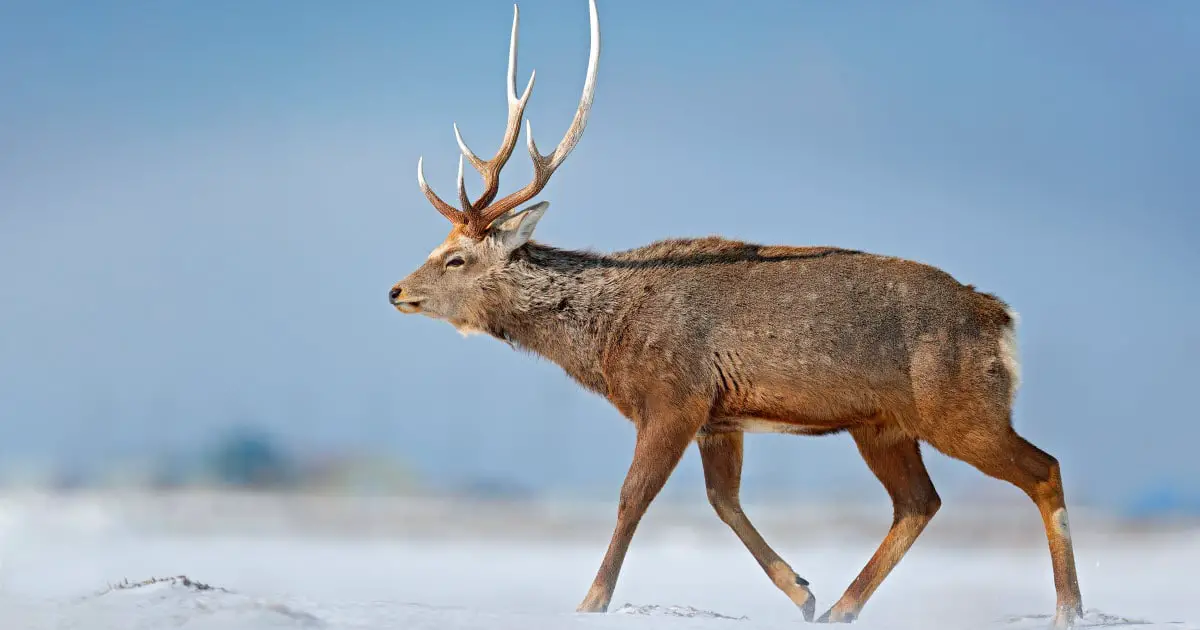
Updated on September 7, 2026. Numbers in the facts table wear an official or peer-reviewed source. Confirm Maryland dates and stamps on the DNR guide

The Philippine Deer (Rusa marianna) goes by several different names. You may have heard it referred to as the Philippine Sambar or the Philippine Brown

Eld’s Deer (Panolia eldii) is a species that goes by many different names. These include Thamin Deer, Brow-Antlered Deer, and Cervus eldi. Though endangered, this

Red deer (Cervus elaphus) are Europe’s largest deer — not North American elk. Stags roar and fight for hinds from late September. They are native

The Barasingha deer (Rucervus Duvaucelii) is also called the swamp deer and it’s one of the most famed deer of the Indian subcontinent. You’ll find

The Philippine Spotted Deer — also called the Visayan Spotted Deer (Rusa alfredi) or Alfred’s Deer — is an endangered species endemic to the Philippine

White Lipped Deer (Cervus albirostris), also known as Thorold’s Deer, is a large and impressive species native to the Tibetan Plateau. The latin name, albirostris,

The Tufted Deer (Elaphodus cephalophus) is a species native to central China and Northeastern Myanmar. It is a small deer which earned its name from

The Reeves Muntjac (Muntiacus reevesi) is a common species of deer in southern China and Taiwan, though it has been brought to Japan and several

Indian Muntjac deer (Muntiacus muntjak) is native to Southeastern Asia. Also called the Southern Red Muntjac or Barking Deer, and is among the smallest deer

A rare species of deer native to Thailand and Southern Myanmar, Fea’s Muntjac Deer (Muntiacus feae) is similar in appearance to the common Muntjac deer,

The Chinese water deer is a small deer of Asian origin, part of the Cervidae (order Artiodactyla) family. It can be found in the wild