
How Much Does a Fawn Weigh?
A newborn white-tailed deer fawn typically weighs between 4 and 8 pounds (about 2 to 3.5 kilograms), with most healthy singles landing around 6 to

A newborn white-tailed deer fawn typically weighs between 4 and 8 pounds (about 2 to 3.5 kilograms), with most healthy singles landing around 6 to
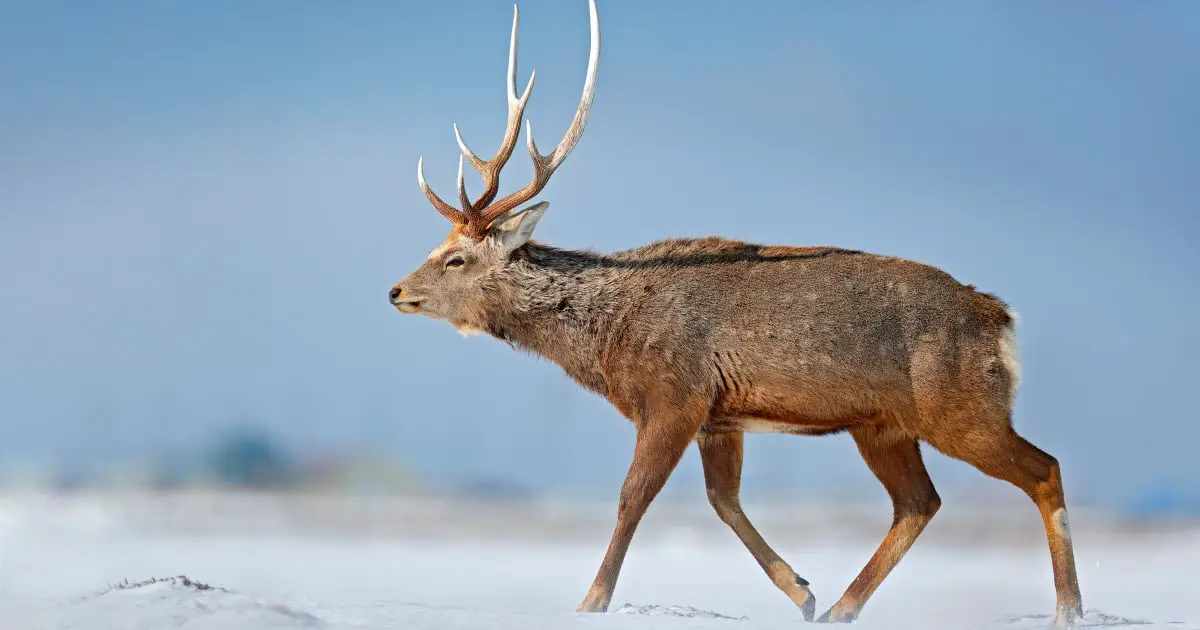
Updated on September 7, 2026. Sika deer are smaller, darker, and louder than white-tailed deer, and they are not close relatives. The sika (Cervus nippon)
Updated on September 7, 2026. Ratings below are university browse lists, not a six-pack tag. No salvia is deer-proof when a suburban herd is out
Deer have white tails primarily for communication. When a white-tailed deer senses danger, it snaps its tail upright and fans the long white hairs on
Updated on September 7, 2026 Yes. Evergreen azaleas are deer candy in winter. Rutgers rates evergreen azaleas Frequently Severely Damaged (D) — the same bucket
Moose shed their antlers once a year, mostly between late November and January, with mature bulls dropping their racks earliest and young bulls sometimes carrying
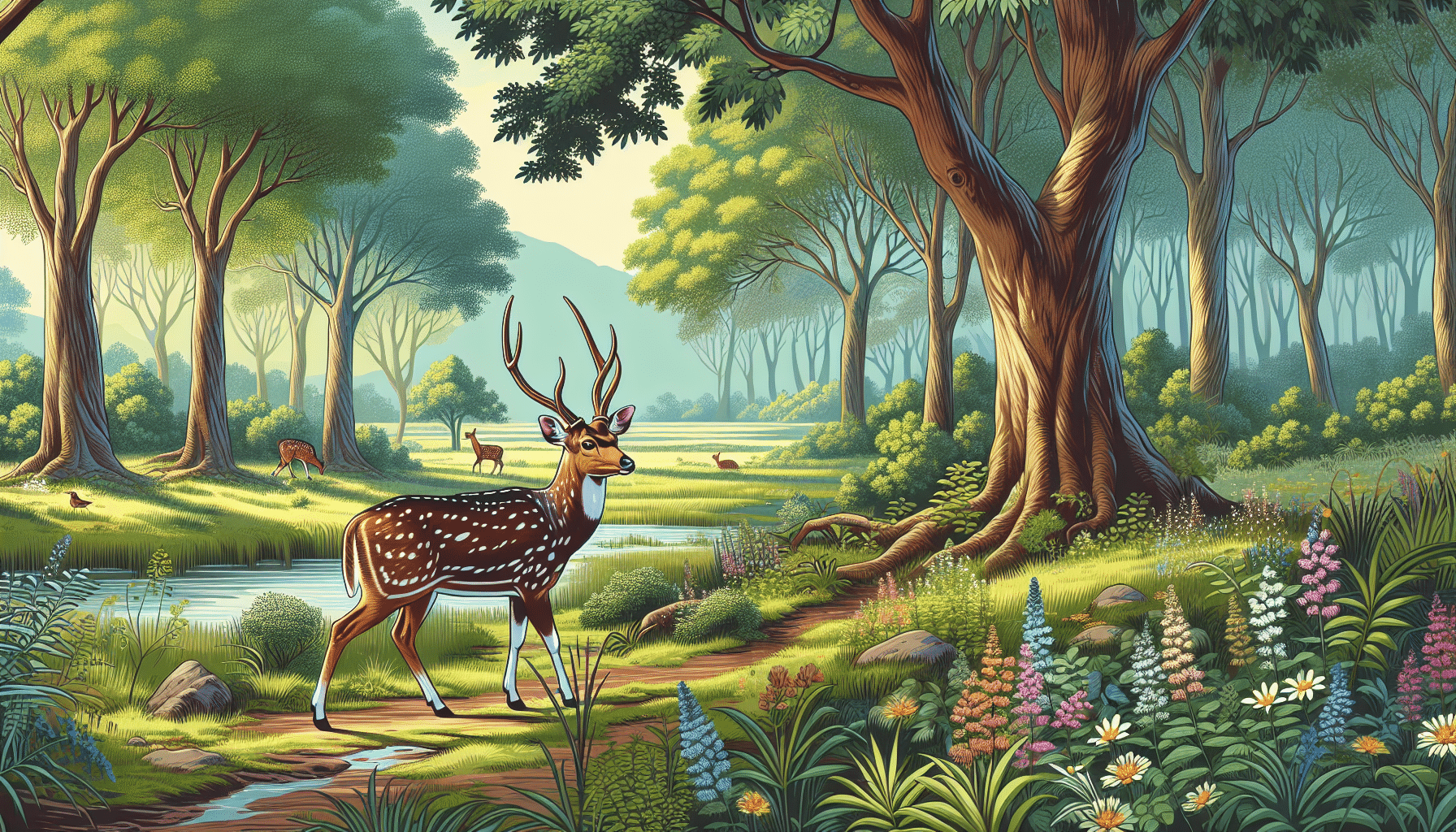
Updated on September 7, 2026. Adult axis deer (chital) keep white spots. Adult white-tailed deer do not. That is the ID. The hunt split is
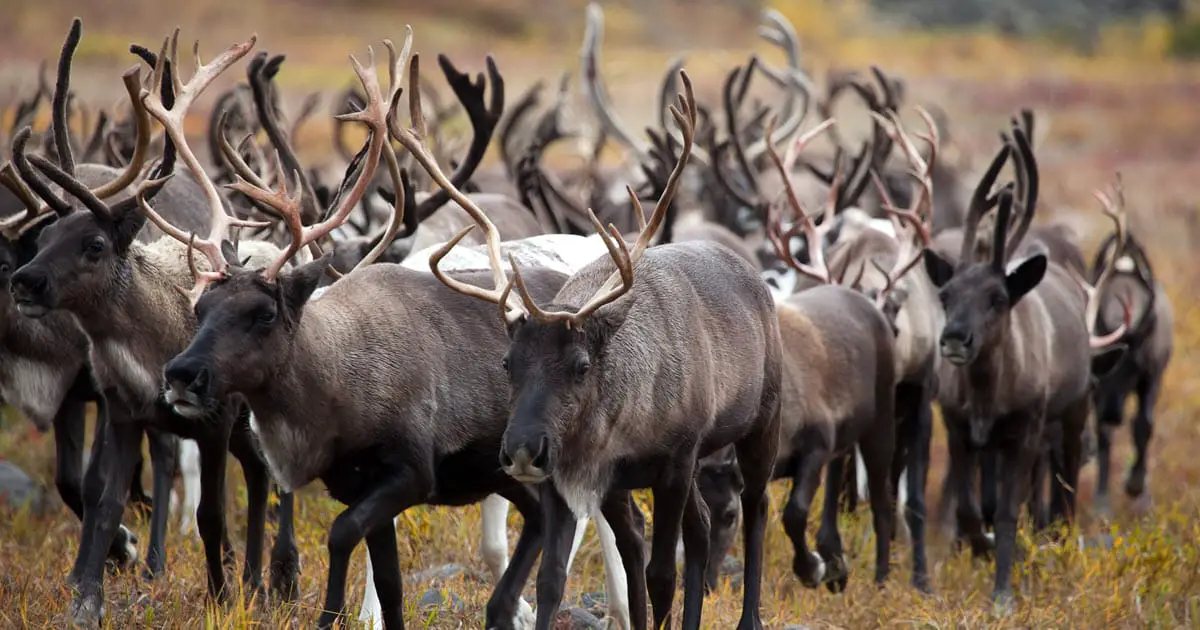
An adult caribou typically stands about 3 to 5 feet (roughly 0.9 to 1.5 meters) tall at the shoulder and measures 5 to 7 feet
Updated on September 7, 2026. Ratings below are university browse lists, not a nursery tag that says “deer-resistant sedum.” Confirm the current lists on the

Today, most of North America’s elk live in the western United States and Canada, from the Rocky Mountains and Pacific Northwest down through the high
Fawns can stand on their own within about 20 to 30 minutes of being born, and most can walk, unsteadily, within a few hours. By
Deer snort, or “blow,” mainly as an alarm signal. When a deer detects something suspicious, it forcefully expels air through its nostrils, producing a loud,

Updated on September 7, 2026. Blacktail deer and mule deer are the same species — Odocoileus hemionus — listed as Least Concern on the IUCN

Updated on September 7, 2026. Ratings below are university lists, not a guarantee for your street. Confirm current lists on the linked extension pages before
Updated on September 7, 2026. Ratings below are university browse lists, not a nursery tag. Confirm the linked extension pages before you plant a wall
An adult moose typically weighs between about 600 and 1,500 pounds (roughly 270 to 700 kilograms), with bulls generally weighing 840 to 1,500 pounds and

Fawns have white spots for one main reason: camouflage. A newborn fawn cannot outrun a coyote or a bobcat, so its survival depends on not
Caribou live across the northern regions of North America — Alaska, much of Canada, and parts of Greenland — in Arctic tundra, boreal forest (taiga),
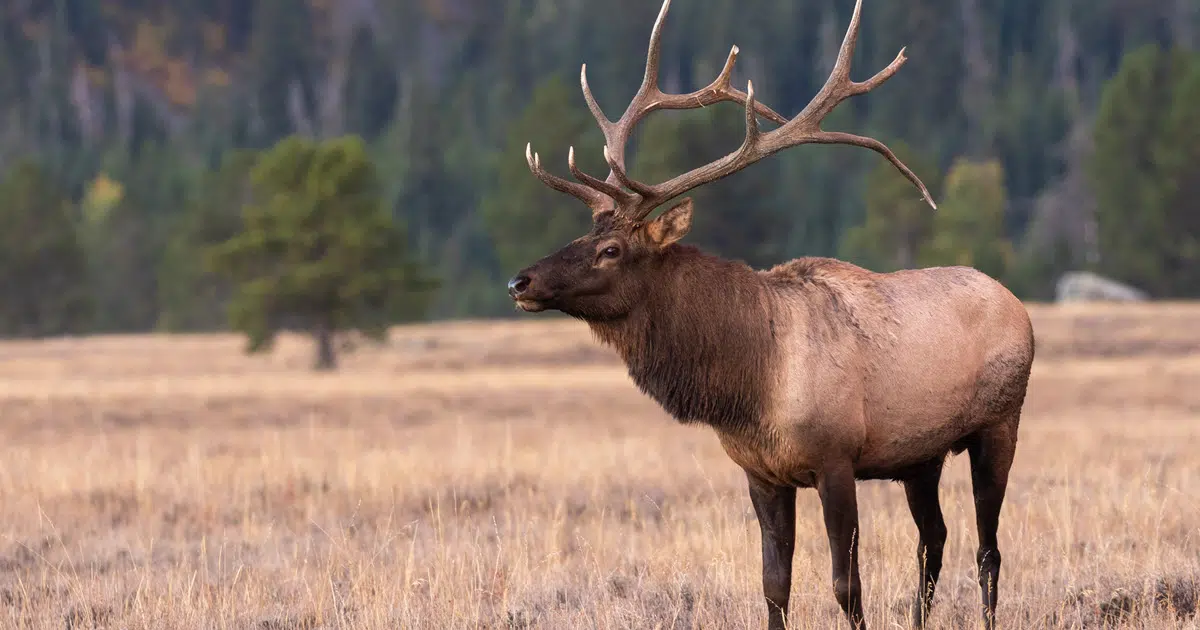
An adult elk typically stands around 4.5 to 5 feet tall at the shoulder and measures 6.5 to 8.5 feet from nose to tail. Mature

Antlers and horns are completely different structures: antlers are solid bone, grown fresh every year and shed every winter, and they belong only to the
The animals that truly hibernate include ground squirrels, groundhogs, chipmunks, hedgehogs, bats, and one remarkable primate — while bears do something related but gentler, and
A group of deer is a herd, a group of wolves is a pack, a group of owls is a parliament, and a group of
A baby deer is a fawn, a baby bear is a cub, a baby kangaroo is a joey, a baby fox is a kit, and
The smartest animal in the world, by most scientific measures, is the chimpanzee — our closest living relative, a toolmaker with culture, politics, and a