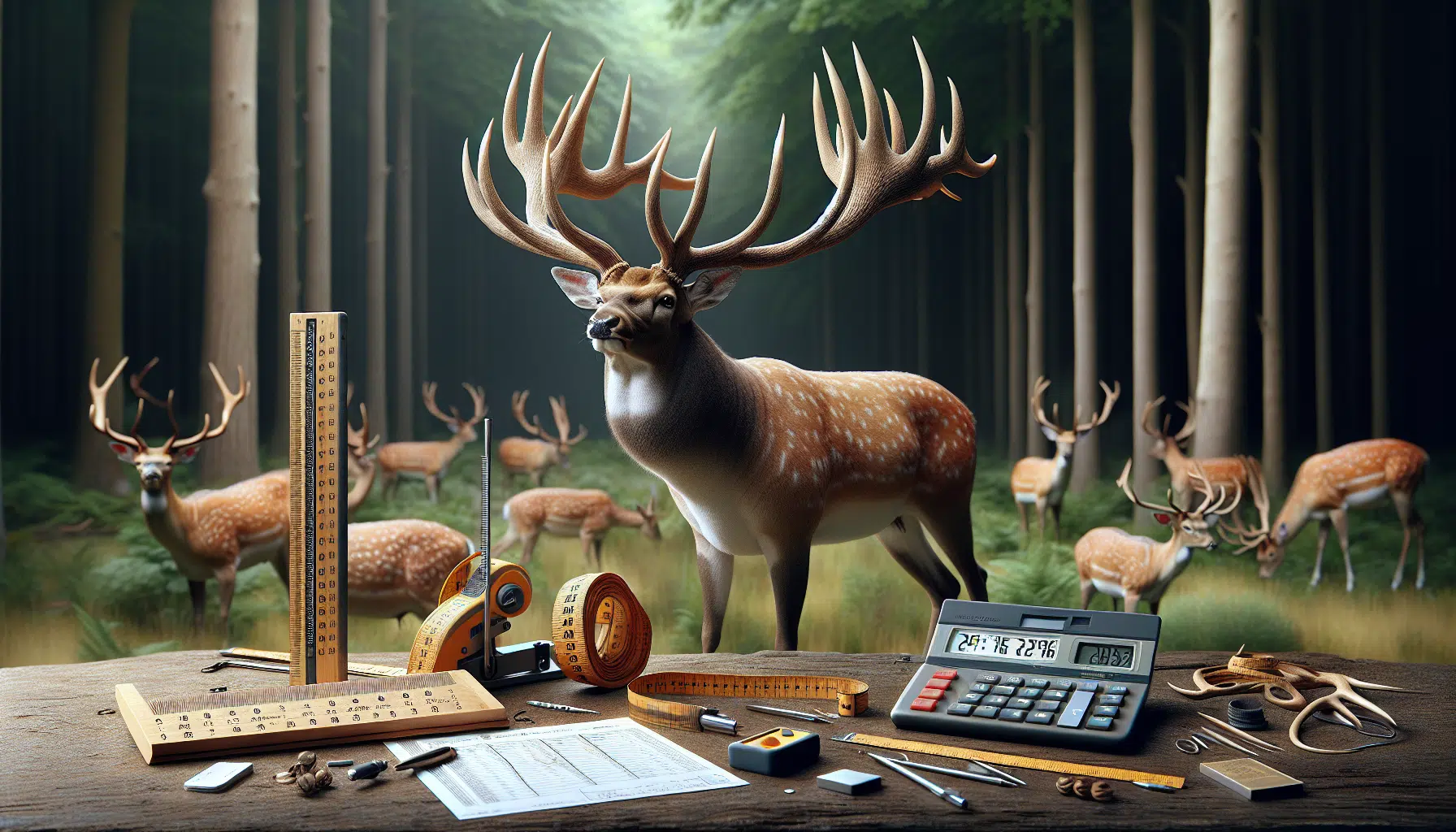
The deer rut is the annual breeding season of deer, and for white-tailed deer across most of North America it builds through October, peaks in mid-November, and tapers into December. Driven by shortening daylight rather than by weather or moon phase, the rut transforms cautious, nocturnal bucks into animals that cruise in daylight, respond to calls, and make the kind of mistakes hunters wait all year for. This guide explains what is happening biologically in each phase, how buck and doe behavior changes, and how to hunt every stage from the first light scrapes of October to the last flurries of the second rut, with links to the deeper tactical guides in our deer hunting library.
What the Rut Actually Is
The rut is the window in which does become receptive to breeding and bucks compete to find and breed them. The engine behind it is photoperiod: as autumn days shorten, declining daylight triggers hormonal changes in both sexes. Bucks experience surging testosterone that hardens their antlers, swells their necks, and drives sparring, rubbing, scraping, and eventually all-out seeking behavior. Does come into estrus, a receptive period lasting roughly a day or so, and if a doe is not bred she will typically cycle again about a month later. The full breeding biology is covered in our guides to deer mating habits and when deer mating season happens.
Because photoperiod is the trigger, peak breeding dates for whitetails are remarkably consistent from year to year in any given area. Weather changes how much of the activity you see in daylight; it does not move the underlying dates. This is why the northern and mid-latitude whitetail rut centers on November nearly every season, while southern regions with milder climates and different herd histories can peak anywhere from late September to January or beyond. Fawns arrive about 200 days after breeding, timed to spring green-up, which is the evolutionary logic that anchors the whole calendar.
The Phases of the Rut, in Order
Hunters carve the rut into phases because buck behavior, and therefore the right tactic, changes week by week. The dates below describe a typical mid-latitude North American whitetail season; slide the entire framework earlier or later for your region, and treat local observation as the truth on the ground.
| Phase | Typical Timing (mid-latitudes) | What Bucks Are Doing |
|---|---|---|
| Early season / pre-rut buildup | Late September to mid-October | On feed-to-bed patterns; rubs and light sparring begin |
| Pre-rut | Mid to late October | Scrape and rub activity surges; bucks check does but does are not ready |
| Seeking and chasing | Roughly the first ten days of November | Bucks cruise and chase hard, often all day; the classic rut hunting window |
| Peak breeding (lockdown) | Mid-November | Bucks tend and breed individual does; movement looks strangely quiet |
| Post-rut | Late November into December | Worn-down bucks recover and return to food |
| Second rut | About a month after peak breeding | Unbred does and early doe fawns cycle; brief flurries of chasing |
Pre-Rut: The Sign-Making Weeks
Through mid and late October, bucks lay down the sign that hunters scout by: rubs on saplings and fence posts, and scrapes, which are pawed-out patches of bare earth under a licking branch where deer leave scent. Bucks are still largely on bed-to-feed patterns, which makes them more predictable now than they will be again until December. Hunting the edges of that pattern near sign clusters is the percentage play, and calling should stay subtle. Our comparison of pre-rut vs rut hunting and our guide to grunt call settings for the pre-rut cover this window in depth.
Seeking and Chasing: The Main Event
As the first does approach estrus, bucks abandon caution and their home patterns. They cruise downwind of doe bedding areas scent-checking for readiness, cover ground at all hours, and chase does that are close but not quite receptive. This is when daylight sightings spike, when rattling and grunting draw responses, and when a mature buck you have never seen on camera can walk past at noon. Bucks often begin cruising at predictable times of day, and all-day sits genuinely pay now; see our all-day sit strategies for the rut for how to stay out there comfortably.
Peak Breeding and Lockdown
When most does come into estrus at once, the woods can feel like someone flipped a switch to off. Bucks are not gone; each is tending a single doe, often pinned in thick cover or an overlooked corner for a day or two at a time, a situation hunters call lockdown. Sightings of cruising bucks drop, but any doe you see may have a buck shadowing her, so patience near doe concentrations and travel funnels still produces. When the doe is bred, the buck breaks off and seeks the next one, and brief windows of cruising return.
Post-Rut and the Second Rut
By late November, bucks may have lost a substantial share of their body weight and shift hard toward food and recovery. Cold weather concentrates deer on the best remaining food sources, which makes afternoon food-source hunts the reliable pattern; our guide to hunting deer after the rut covers it fully. Roughly a month after peak breeding, does that were not bred, plus well-fed doe fawns in good habitat, come into estrus and spark the second rut, a shorter, subtler encore worth planning for with our second rut hunting strategies.
Rubs, Scrapes, and Rut Sign Explained
The rut announces itself in bark and dirt weeks before you see a chase. Rubs are saplings and small trees where a buck has shredded the bark with the bases of his antlers, partly to strip drying velvet in early fall but mostly as scent-marked signposts: forehead glands deposit odor that tells other deer who has been working the area. A single rub means little; a line of rubs all facing the same direction is a map of a buck’s preferred travel route, and clusters of thigh-thick rubs year after year usually mark the core range of mature animals. Fresh rubs shine pale against the woods and are among the easiest sign for a beginner to spot and date.
Scrapes are the rut’s community bulletin boards. A buck paws leaves and grass down to bare soil, urinates over the tarsal glands on his hocks into the dirt, and works an overhanging licking branch with his mouth, preorbital, and forehead glands. Multiple bucks and does may visit the same scrape, and research using trail cameras has repeatedly shown that a large share of scrape visits happen after dark, which is why hunting directly over a scrape often disappoints. The smarter play is treating active scrape lines as evidence of a route, then setting up between the scrapes and the bedding cover the buck is coming from, close enough to catch him in the last minutes of daylight.
Sign has a schedule. Rubbing begins when velvet strips in early fall and accelerates through October; scraping typically crescendos in the last week or two before does come into estrus, then collapses almost overnight once real breeding begins and bucks abandon advertising for direct pursuit. That collapse is itself information: when the scrape lines you have watched for two weeks suddenly go cold, the seeking phase is ending and lockdown is near.
What the Does Are Doing
Hunters fixate on bucks, but the rut is scheduled entirely by does, and reading them is the most reliable rut thermometer available. Through October, family groups of does and fawns dominate the food sources and keep to routine patterns. As estrus approaches, harassment from cruising bucks pushes doe groups into odd places at odd hours; a doe bursting into a field at midday with her tail held oddly and her attention over her shoulder is telling you a buck is in tow. During peak breeding, an estrous doe may hole up in a patch of cover with a tending buck for a day or more, and the pair’s tiny circuit of movement is what makes lockdown feel empty.
This is also why doe bedding areas, not buck bedding areas, are the center of gravity during the rut. A mature buck’s October pattern dissolves in November because he is simply moving from one doe concentration to the next, scent-checking each from downwind trails. Find the doe bedding on your property, identify the downwind edges bucks use to check them, and you have found the closest thing to a reliable rut stand that exists. It is also worth remembering the biology running underneath: a bred doe will carry her fawns through winter and drop them in late spring, and fawn survival, not hunter opportunity, is what the whole compressed schedule evolved to serve.
How Timing Shifts Across North America
Latitude is the biggest variable. Northern and mid-latitude whitetail herds breed in a tight November window because a compact rut means fawns drop together into spring green-up, swamping predators and maximizing survival. Farther south, where winters are gentle, the pressure for tight timing relaxes and regional ruts scatter: parts of the South peak in October, others in December or January. Local herd genetics and history matter too, which is why two counties in the same southern state can rut weeks apart. Your state wildlife agency’s breeding-date data and your own trail cameras beat any generic calendar, and other deer species run their own schedules entirely, with elk and moose rutting in September and October.
Reading Rut Behavior in the Field
- Fresh rubs and rub lines show a buck’s travel routes and get denser as the rut builds
- Scrapes are most active in the pre-rut; many go cold once real chasing starts
- Does acting nervous or bursting from cover often means a buck is right behind
- Bucks trotting with nose to the ground are scent-trailing and may respond to calls
- Roadside and backyard sightings of bucks in odd places spike during seeking and chasing
The rut is also when vocalizations matter most. Grunts, snort-wheezes, and rattling all imitate buck social behavior, and the seeking phase is the one time deer regularly come looking for the source. The line between enough and too much is real, though; our guide on whether you can call too much during the rut covers frequency and cadence. Weather still layers over everything: cold fronts amplify daylight movement in every phase, and our breakdown of the best weather conditions for rut hunting shows which days deserve vacation time.
Hunting Each Phase: The Short Version
Early season, hunt food-source edges in the evenings and stay out of bedding. Pre-rut, move to sign clusters and travel routes between doe bedding and food, and start mixing in soft calling. Seeking and chasing, sit funnels, pinch points, and downwind edges of doe bedding all day, and let rattling and grunting work. Lockdown, tighten in near doe concentrations and thick cover, and hunt any buck movement between tended does. Post-rut and second rut, return to the best food in the coldest weather. Small properties can absolutely produce through all of it; our rut tactics for small properties guide shows how to hunt limited acres without burning them out.
One caution that applies to every phase: the rut concentrates hunter pressure too, and deer respond to that pressure by shifting movement toward cover and darkness. Careful entry and exit routes, disciplined wind play, and not overhunting one stand keep your spot productive while neighboring parcels go quiet.
Common Rut Myths, Corrected
The rut attracts more folklore than any other stretch of the deer season, and a few corrections save hunters real frustration. The moon does not schedule breeding; decades of fetal-conception data show peak breeding dates holding steady in a given region regardless of lunar phase, even though moonlight may nudge when activity is visible. Cold weather does not cause the rut either; a heat wave in early November does not cancel breeding, it just shifts more of the chasing into the cool hours after dark, which is why a warm rut feels dead from a stand at noon yet the fawns still arrive on time in spring.
Two more worth retiring: the idea that rattling only works out West, and the idea that the rut makes deer stupid. Rattling and calling work anywhere the buck-to-doe ratio leaves males competing for does, though response rates vary with local herd structure and pressure. And rutting bucks are not careless so much as preoccupied; their tolerance for risk rises, but their noses work exactly as well as ever, which is why hunters who abandon wind discipline during the rut still go home empty. The rut forgives small mistakes, never fundamental ones.
The Rut Beyond Hunting
Even if you never carry a tag, the rut is worth understanding. It is the annual peak for deer-vehicle collisions across much of North America, because deer, especially bucks trailing does, cross roads at all hours with their attention elsewhere; dawn and dusk driving in November deserves genuine caution. Rutting bucks in parks and suburbs can also act unpredictably aggressive, so give them wide space. And the cycle explains the rhythm of the whitetail year: bucks cast their antlers in the weeks after the rut ends, a process covered in why deer shed their antlers, and the fawns conceived in November hit the ground the following May and June.
Frequently Asked Questions
When does the deer rut start?
For white-tailed deer across most of the northern and central United States and Canada, rut activity builds through late October, the seeking and chasing phase typically fires in early November, and peak breeding centers on mid-November. Southern regions vary widely, from October to January or later depending on the area, so check local breeding-date information from your state wildlife agency.
How long does the rut last?
The whole arc, from the first serious pre-rut sign to the end of post-rut recovery, spans about six to eight weeks, but the intense seeking-and-chasing window most hunters mean by the rut usually lasts around ten days to two weeks in any one place. A second, smaller pulse follows roughly a month after peak breeding when unbred does cycle again.
What triggers the rut, daylight or weather?
Photoperiod, the shortening of daylight, is the trigger, which is why breeding dates barely move from year to year in a given area. Weather and moon phase change how visible rut activity is, with cold snaps boosting daylight movement and warm spells pushing it toward night, but they do not shift the underlying breeding dates; our review of moon phases and deer movement digs into the evidence.
Do bucks eat during the rut?
Very little during the peak. Mature bucks are so consumed by seeking and tending does that feeding becomes opportunistic, and it is commonly reported that a buck can lose a fifth or more of his body weight over the rut. That deficit is why post-rut bucks pour into the best remaining food sources, and why late-season food is such a dependable pattern.
Is the rut the best time to hunt deer?
For seeing bucks on their feet in daylight, yes; the seeking and chasing phase is the closest thing deer hunting has to a sure bet, and it is the window when calling, rattling, and all-day sits earn their keep. That said, bucks are least predictable in where they show up, so early season and late season, when deer are on food patterns, can be better for targeting one specific, patterned animal.