
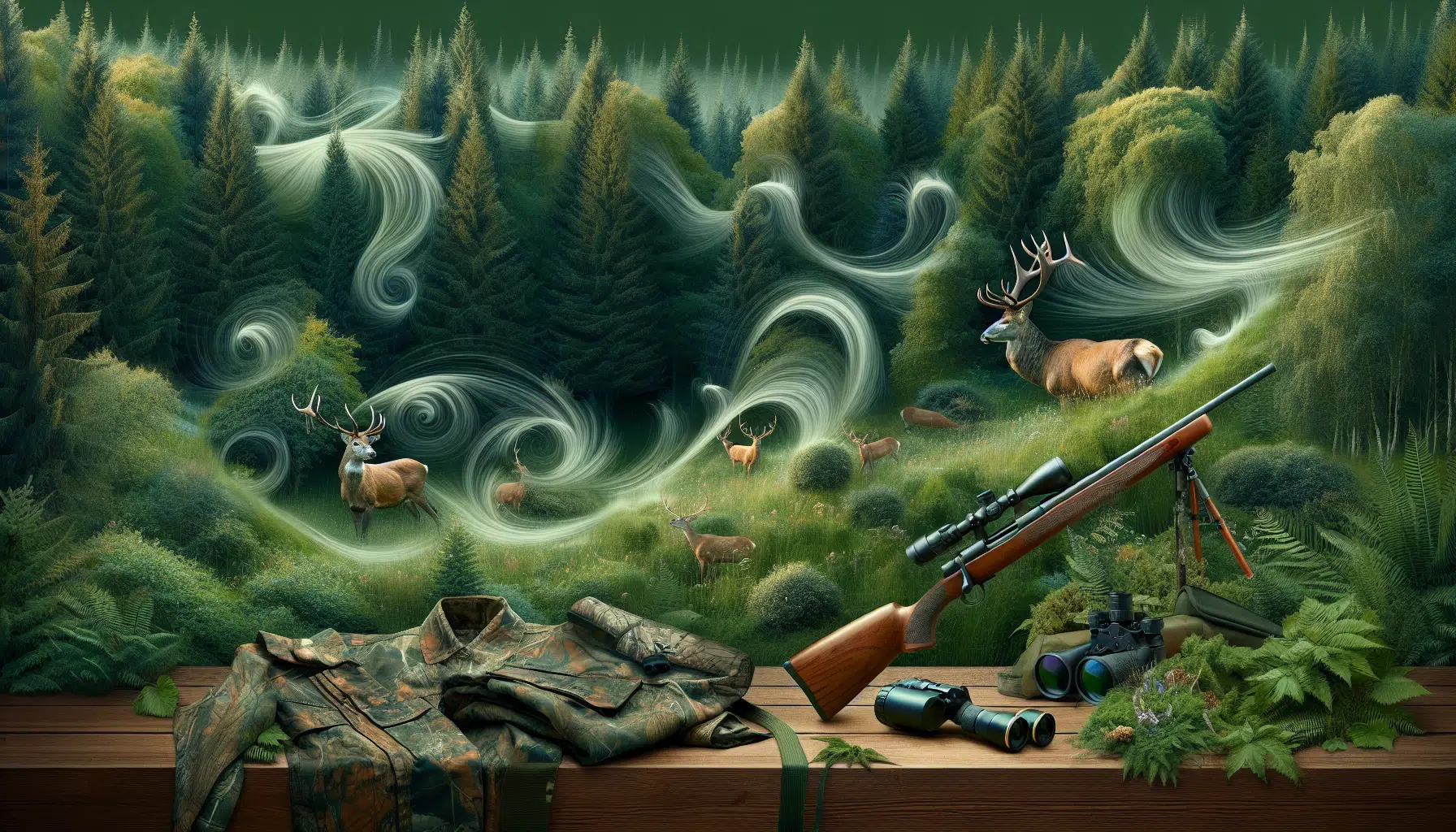
Still-hunting is the art of moving through deer cover so slowly, quietly, and deliberately that you spot deer before they detect you, then finishing the encounter from your feet. The name confuses newcomers: it is not sitting still, it is hunting while nearly still, a walking method where a hundred yards can honestly take an hour. Done well, it is one of the most absorbing ways to hunt whitetails and one of the oldest, and it turns bad-weather days and midday hours into productive hunting time. Done poorly, it is a scent-spreading stroll that educates every deer on the property. The difference is pace, wind, and eyes, in that order, and this guide covers all three, along with when still-hunting beats a stand and when it does not. It builds on the fundamentals in our deer hunting library and pairs naturally with our guide to scouting deer, because you cannot slip through cover you do not know.
What Still-Hunting Really Is
Picture the method as hunting from a hundred stands a day. You ease a few steps to a new vantage, stop where cover breaks your outline, and spend several minutes dissecting everything ahead with your eyes before moving again. Your feet exist to reposition your eyes. The classic ratio surprises people: a skilled still-hunter spends far more time stopped than stepping, and many describe a good pace as embarrassment-slow, the speed at which you would feel ridiculous if anyone watched. If you cross a woodlot in twenty minutes, you walked it; if it took two hours, you still-hunted it.
Still-hunting differs from its cousin, spot-and-stalk, in structure. A spot-and-stalk hunter locates a specific animal first, usually at long range in open country, then closes on it. The still-hunter moves through cover expecting an encounter anywhere along the route, ready always. The methods share fieldcraft, but the distinction matters: still-hunting is the woodland method, built for country where you rarely see past eighty yards and the first look you get at a deer may be your only one.
When Still-Hunting Shines (and When to Stay in the Stand)
Still-hunting is a conditions game. The method depends on approaching deer within gun or bow range without being heard, so the woods must let you move quietly, and a steady wind must carry your scent away from where deer are likely bedded or feeding.
| Condition | Still-hunting value | Why |
|---|---|---|
| Rain, drizzle, or wet leaves | Excellent | Soft ground silences footfalls and deer hold in cover |
| Fresh, quiet snow | Excellent | Silent walking plus readable fresh tracks |
| Steady moderate wind | Good | Covers your sound and keeps scent predictable |
| Bone-dry crunchy leaves | Poor | Every step broadcasts you a hundred yards ahead |
| Swirling, shifting wind | Poor | Your scent reaches deer before you do |
| Midday lulls | Good | Lets you hunt hours when stand sitters go home |
The method also fits terrain with long sightlines inside cover: open hardwoods, ridge systems, edges of clearcuts, creek bottoms. In head-high brush where you cannot see thirty yards, a moving hunter is simply a noise deer avoid. And on small properties, be honest about disturbance: a stand hunter can hunt the same forty acres daily, but a still-hunter burns through it, leaving scent on every route. Many experienced hunters split the difference, still-hunting slowly between stand locations, or into the wind on the way out at midday.
The Wind Comes First
Every still-hunt is planned from the wind backward. Route yourself so the breeze is in your face or steadily crossing, and accept that some days the wind simply forbids the route you wanted; our guide to the role of wind in deer hunting explains how deer use moving air, and it matters double when you are the one moving. Remember thermals in hill country: air slides downslope in the cooled morning and evening and rises through warm midday, so classic practice is to work ridges from below early, from above at midday. A whitetail’s nose does not give second chances, and no amount of quiet compensates for hunting with the wind at your back; our piece on how long human scent lasts in the woods explains why the damage outlives the hunt.
Feet, Eyes, and the Discipline of Pace
The physical craft has three parts. First, the step: place the outside edge or toe of your foot down softly, roll to flat while feeling for sticks, and keep your weight on the back foot until the front one is certain. Take two or three steps, then stop beside a tree that breaks your outline, never in the open. Keep stops long, a few minutes minimum, and vary the rhythm; a metronomic crunch-crunch-pause reads as human to every animal in earshot, while an irregular, occasional rustle sounds like a squirrel or a feeding deer.
Second, the eyes. At each stop, grid the cover ahead and to the sides, near to far, low to high. You are almost never looking for a whole deer; you are looking for parts, a horizontal back line among vertical trunks, the flick of an ear, a black nose, the white of a throat patch, a leg moving behind brush. Compact binoculars earn their weight even in timber, because glassing into shadowed thickets reveals bedded deer no naked eye finds; deer see astonishingly well laterally, as our guide on how far deer can see explains, so assume something is always watching and move only when the cover ahead has been cleared.
Third, the freeze. When you spot a deer, or a deer spots something in you, stop mid-motion and stay stopped. Deer key on movement above all; an unidentified still shape often gets dismissed after a long stare. Wait out the stare, let the head drop or turn, then make your next move, whether that is raising the gun with glacial slowness or simply melting behind a trunk.
Reading Sign as You Go
Still-hunting is scouting at hunting speed, and the sign underfoot should steer every route decision. Fresh tracks, warm beds, steaming droppings, and just-rubbed saplings tell you to slow to a crawl; old sign says cover ground toward better country. Learn to age what you find with our guide to reading deer tracks and signs, and pay special attention as you approach likely bedding: the downwind fringes of thick cover, ridge points, and leeward slopes. Our guide on finding deer bedding areas shows what those spots look like on a map and on the ground. The last fifty yards approaching a probable bed is the entire method compressed: one step, long look, one step. Most still-hunted deer are taken exactly there, or lost there forever.
The Shot From Your Feet
Still-hunting shots come suddenly and at close range, frequently at a deer that is already alert, so your standard must be conservative. Shoot only from a stable position, kneeling, braced against a trunk, or off sticks if you carry them, and only at a calm-enough deer presenting broadside or quartering away. A jumped deer bounding through timber is not a shot, it is a temptation; let it go and hunt the direction it fled an hour later, because unpressured deer often settle within a few hundred yards. Firearms hunters should carry with the muzzle controlled and the safety on until the sight picture is real, and every still-hunter must be certain of the target and what lies beyond, since you are, by definition, moving through the same cover other hunters and animals use. During any firearms season, wear blaze orange; a moving hunter needs it most of all, and as our article on whether deer see orange explains, it costs you almost nothing with the deer.
Bowhunters can absolutely still-hunt, but ranges must shrink to archery distance against an animal’s full sensory suite, which is graduate-level work; most archers reserve the method for wet, windy days and treat 20 yards as a hard limit. Whatever the weapon, dress for the method: soft, quiet fabrics like wool and brushed fleece, because hard-shelled clothing scraping a briar announces you like a bell, and layers light enough that a moving hunter does not sweat out his scent control in the first half hour.
A First Still-Hunt, Step by Step
Pick a rainy or windy morning on ground you know from scouting. Plan a route of a few hundred yards, into or across the wind, connecting cover deer actually use: an oak flat, a creek-bottom edge, the downwind side of a known bedding thicket. Enter quietly, and give yourself a time budget that feels absurd, an hour per hundred yards in good cover. Step, stop long, grid with your eyes and binoculars, and move only when the woods ahead are cleared. When you find fresh sign, halve your speed. When you catch yourself walking, stop for five full minutes as a reset. Most first-timers get busted repeatedly and see mostly tails; that is normal, and every flag teaches you what the woods heard. The day you spot your first bedded, unaware deer before it spots you, the method has you for life.
Frequently Asked Questions
Why is it called still-hunting if you are walking?
The name comes from an older sense of still meaning quiet or stealthy, as in still waters, not motionless. A still-hunter hunts stealthily on foot, moving in short, silent increments with long stationary pauses. The confusion is understandable since sitting in a stand is also holding still; in hunting vocabulary, that is stand hunting, while still-hunting always means the slow walking method.
How slow should you move when still-hunting deer?
Slower than feels reasonable. A useful budget is an hour or more per hundred yards in good cover, spending several minutes stopped for every few steps taken. If your pace would look normal to a passerby, you are too fast. The right speed varies with sightlines and sign: crawl through fresh sign and thick edges, move more purposefully through empty cover.
Is still-hunting better than sitting in a stand?
Neither wins outright; they fit different conditions. Stands win for predictable movement windows at dawn and dusk, for small properties where disturbance matters, and for archery ranges. Still-hunting wins in wet or windy weather that silences your steps, during midday hours, and for hunters covering larger tracts of public timber. Many hunters combine them, still-hunting between sits or when action goes quiet.
Can you still-hunt with a bow?
Yes, but it is among the hardest challenges in archery, because you must close to bow range on your feet against a deer’s nose, ears, and eyes. Archers who do it pick soft, windy, or rainy days, hold a strict close-range shot standard, and accept low odds gladly. Most bowhunters treat still-hunting as a bad-weather change-up rather than a primary archery method.


