
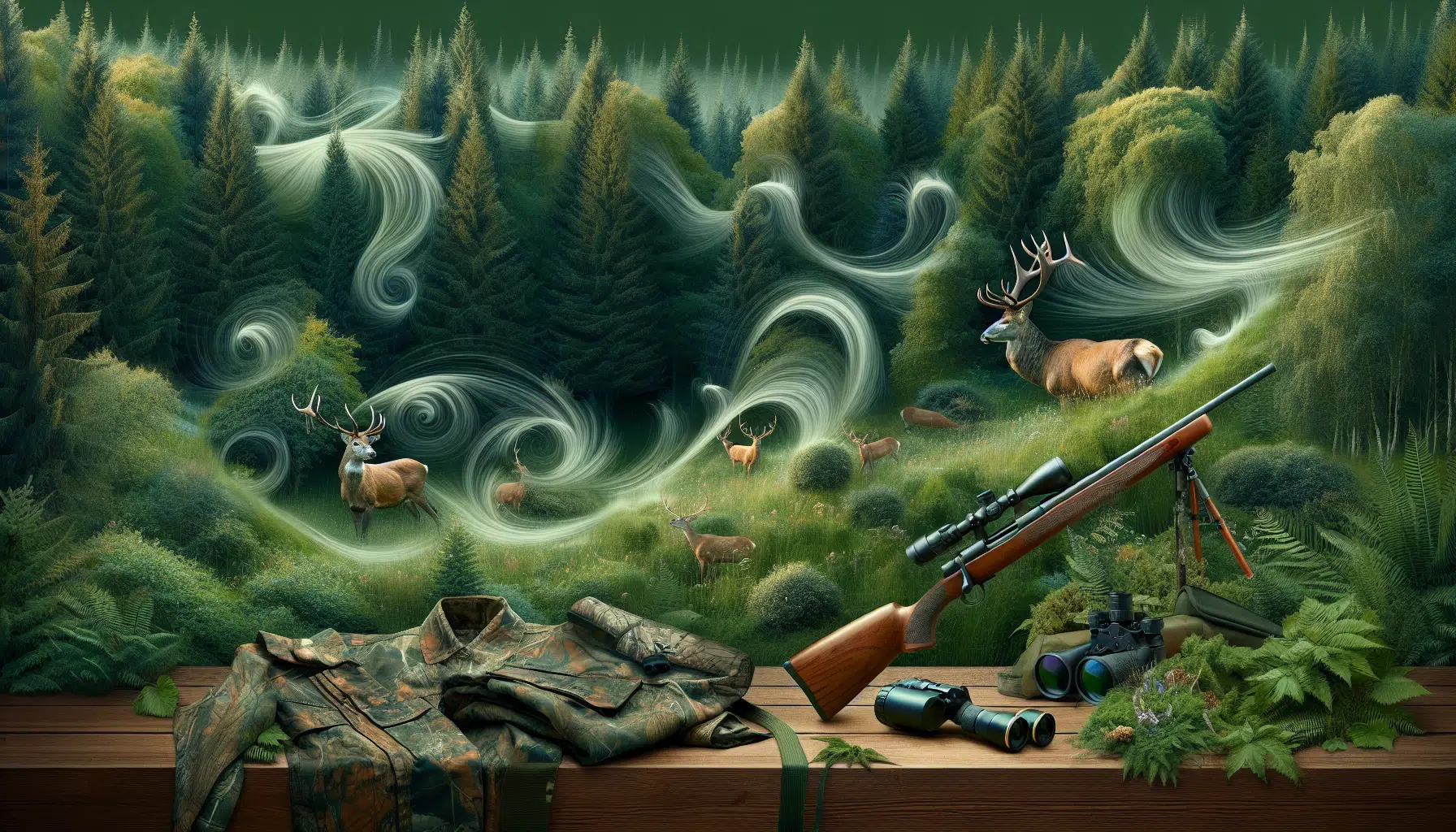
Hunting deer from the ground without a blind is the original method, and it still fills tags: you build or borrow natural concealment, sit at deer level with the wind in your favor, and beat a whitetail’s eyes and nose with discipline instead of equipment. No stand to hang, no blind to buy, brush in, or haul, no fall risk, and total freedom to set up wherever today’s wind and sign dictate. The cost is that you give up elevation’s advantages, so your margin for error on scent, movement, and backdrop shrinks to nearly zero. This guide covers choosing a spot, building a natural setup in minutes, the sitting and movement discipline that makes it work, and how shots differ at eye level, drawing on fundamentals from across our deer hunting library. If you are brand new to deer hunting generally, skim our beginner guide first; ground hunting is the cheapest way to start, and one of the most instructive.
Why Hunt From the Ground at All?
Ground hunting earns its place three ways. Mobility: when scouting shows deer shifted to a new food source or the wind is wrong for every stand you own, a ground hunter relocates in minutes, which is why public-land hunters lean on the method so heavily. Simplicity and cost: a first-season hunter can be fully effective with a cushion, pruning shears, and the clothes they already own. Safety: falls from elevated stands are consistently the most common serious deer-hunting accident, and the ground removes that risk entirely, which also makes the method the natural choice for taking kids and new hunters along, since two people hide far more easily against a broad oak than in one treestand.
The honest trade-offs: at deer level your scent cone hugs the ground where noses live, every movement happens inside deer sightlines, and your shooting lanes are narrower and more easily blocked by brush and terrain. Everything that follows exists to shrink those disadvantages.
Picking the Spot: Wind, Backdrop, Sun, Lanes
A ground setup is chosen in that order. Wind first and absolutely: position downwind or crosswind of where you expect deer, and be pickier about it than any stand hunter, because you have no elevation lifting your scent over the nearest travel routes. The mechanics in our guide to wind and deer hunting are the ground hunter’s first commandment, and on hilly ground remember thermals pull scent downslope in the morning chill and evening cool-down. Your scent also accumulates at the site for the entire sit, so clean rubber boots and a disciplined scent routine matter more here than anywhere, with the standing caveat that no spray or suit substitutes for the wind.
Backdrop second: deer detect silhouettes and motion against sky or open woods instantly, so sit against something wider than your shoulders, a big trunk, a root ball, a deadfall, a rock, with cover behind you mattering more than cover in front. Shadow is backdrop too; the dark side of a cedar hides more than a sunlit brush pile, so keep the sun in the deer’s eyes, not yours, and expect our guide on how far deer can see to convince you how little sloppiness the method forgives. Lanes last: clear two or three narrow shooting windows toward the expected approach, and place yourself where the deer’s route passes at 10 to 25 yards for a bow or a comfortable open distance for a firearm. As for where deer will actually walk, that is a scouting question, answered by fresh sign and the funnels covered in how to scout for deer; the classic ground setups are field-edge inside corners, creek crossings, oak flats dropping acorns, and the downwind fringe of bedding cover reached quietly from the road side.
Building a Natural Setup in Ten Minutes
- Sit before you build. Settle into the exact spot, at the height you will actually hunt from, and see what a deer would see; most setups need less building than beginners think.
- Break your outline, do not build a fort. Drag a limb or two and stand cut brush loosely in front and to the sides, thigh-high, leaving your lanes open. You need your shape broken, not a wall you cannot shoot over.
- Use dead and downed material where you legally can, and know the rules: cutting live vegetation is prohibited on much public land, so carry pruners for private ground and build with deadfall elsewhere, and check your state wildlife agency or land manager’s rules.
- Clear the floor. Rake leaves, twigs, and acorns away from your feet and seat so a shift of weight is silent, and trim any twig your gun barrel, limbs, or cams could clip.
- Get comfortable enough to be still. A low seat or cushion that holds you an inch or two off the cold ground doubles most hunters’ effective sit time; numb legs end more ground hunts than deer do.
- Plan the draw or mount before you sit. Know exactly which knee comes up, which shoulder turns, and where the weapon rests while you wait, because at ground level the getting-ready motion is the most dangerous moment of the encounter.
Note what is absent: head-to-toe specialty camouflage helps but does not make the list. Muted, quiet clothing that matches the season’s palette, gloves, and a face covering account for nearly all of the benefit, because what betrays a ground hunter is shine, silhouette, and movement, in that order.
The Sit: Movement Discipline at Deer Level
On the ground, stillness is your elevation. Deer eyes are motion detectors above all else, so move only in slow segments, and only when every visible deer has its head down or behind cover. Scan with your eyes before your neck, turn your head like the minute hand of a clock, and keep your hands low and slow for every task; if you carry binoculars or a call, hang them where reaching them requires no visible motion. When a deer stares your way, freeze completely, even mid-motion, and wait out the stare; an unmoving, well-backdropped shape usually gets dismissed. The footwork and freeze discipline are the same skills taught in our still-hunting guide, and the two methods combine naturally: still-hunt between likely areas, then convert to a ground sit wherever fresh sign says wait here. Ground hunting is also the natural finishing position for open-country hunters, whose approach game is covered in our spot-and-stalk guide.
Time your movements to the woods. Wind gusts, squirrel racket, and passing vehicles are your windows for bigger adjustments, and the quiet lulls are for statue work. Sit lengths can be shorter than stand vigils; many ground hunters do their best work in 90-minute sits at dawn and dusk matched to fresh sign, precisely because the method makes relocating free.
Shots From the Ground
Eye-level shots differ from stand shots in three ways, and each demands respect. First, the angle: your arrow or bullet travels flat, so the safe-backstop question, what is behind this deer, must be answered before every shot, and a firearm needs an earthen backdrop, a rise, a bank, bare dirt, not open woods. Second, the window: at deer level, brush, grass, and terrain hide the lower body more often, so wait for the full vital zone to clear, and hold to the standards in our deer shot placement chart. Third, the exposure: a bowhunter must draw while flat-out visible, which is the method’s graduate exam; draw only when the deer’s eyes are fully blocked by a trunk or its head is buried in feed, on a deer inside 25 yards, and accept that some deer will simply never offer the chance. Kneeling or seated shots off a raised knee are the ground hunter’s stable positions, so practice them until they match your standing groups; archers will find the practice standards in our bowhunting for beginners guide apply doubled from a seat.
Safety carries its own weight here. A hunter on the ground sits at the same height as everything other hunters shoot at, so wear blaze orange during any firearms season, and make your position obvious from behind, an orange band on the tree above you does it, whenever you hunt ground where others may walk. Deer perceive blaze orange poorly, so the orange costs you far less with the deer than it buys you with people.
When Ground Beats Blind and Stand
| Situation | Best choice | Why |
|---|---|---|
| Scouting says deer moved today | Ground, no blind | Relocate in minutes; a blind or stand anchors you to yesterday |
| Public land, no structures allowed or safe | Ground, no blind | Legal everywhere, nothing to haul or lose |
| Long all-day rut sits | Blind or stand | Concealment tolerates the fidgeting hours of sitting |
| New or young hunter along | Ground or blind | Two people, shared cover, zero fall risk |
| Open field edge with no cover | Blind | Nothing natural to break your outline |
| Quick evening hunt after work | Ground, no blind | Setup time is the whole budget |
The honest summary: pop-up blinds and treestands are tools worth owning, and our guide to setting up a deer stand safely covers the elevated route when it wins. But the hunter who learns to kill deer from bare ground first understands wind, backdrop, and movement in a way no equipment can teach, and that education makes every other method better.
Frequently Asked Questions
Can you really kill a deer from the ground without a blind?
Yes, hunters have done it for as long as deer have been hunted, and it remains a proven method for both firearms and archery. Success depends on ruthless wind discipline, a solid backdrop, cleared shooting lanes, and near-perfect stillness, with shots typically inside 25 yards for archers. The method rewards scouting and patience over equipment, which is exactly why experienced hunters recommend every beginner try it.
How do you hide from a deer on the ground?
Backdrop first: sit against a trunk, deadfall, or rock wider than your body, in shadow where possible, with loose natural material breaking your outline in front. Wear muted, quiet clothing with gloves and a face covering, eliminate shine, and above all stop moving, because deer detect motion far more readily than shapes. A motionless hunter with a good backdrop routinely goes unnoticed at close range.
How far can deer smell you when you are hunting on the ground?
Far enough that the wind decides your hunt: a whitetail’s nose can pick up human scent at several hundred yards under the right conditions, and at ground level your scent stream travels at exactly nose height. That is why ground hunters set up strictly downwind or crosswind of expected deer travel, monitor the wind all sit with a puffer bottle, and relocate the moment it shifts wrong.
Is hunting from the ground safer than a tree stand?
From a fall standpoint, unquestionably: elevated-stand falls are the most common serious deer-hunting accident, and the ground eliminates them along with harnesses and climbing systems. The trade is visibility to other hunters, which you manage by wearing blaze orange during firearms seasons, marking your position, and choosing setups with safe backstops. For solo beginners and for hunts with children, ground setups are the conservative choice.


