
Deer vs Kangaroo: Comparing Two Very Different Grazers
Deer and kangaroos could hardly be more distantly related — one is a placental mammal of the deer family Cervidae, the other a marsupial that

Deer and kangaroos could hardly be more distantly related — one is a placental mammal of the deer family Cervidae, the other a marsupial that
Deer and goats are not close relatives, even though both are hoofed, cud-chewing browsers of similar size. Deer belong to the family Cervidae and grow
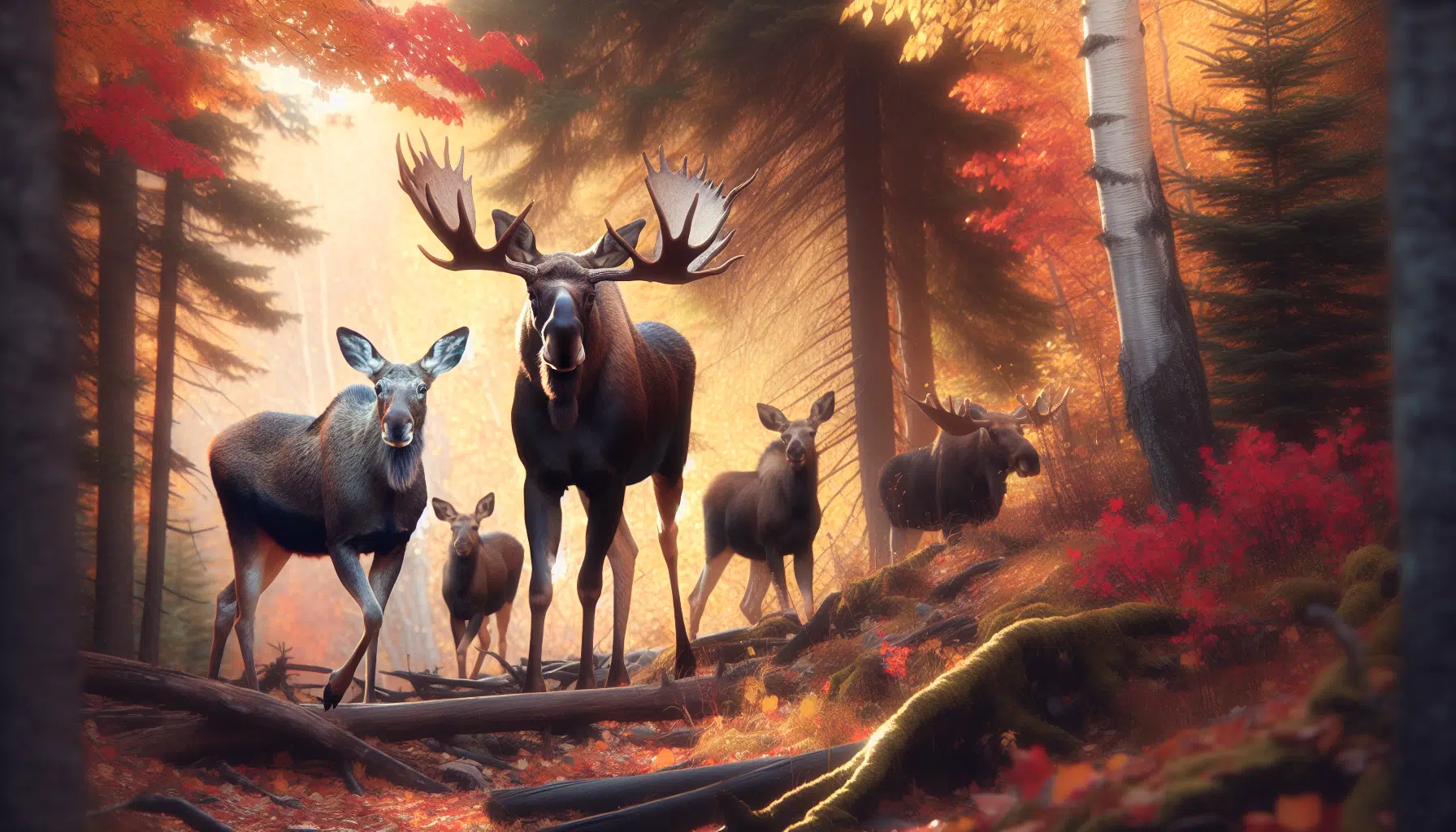
A moose is taller than almost any horse. A mature bull moose stands roughly 5.5 to 6.9 feet at the shoulder — the biggest Alaskan

Axis deer and fallow deer are the two spotted deer people confuse most — especially on Texas ranches, where both run free — but the

Fallow deer and sika deer are both medium-sized, often-spotted deer that share woodland across Britain and Europe, but two marks separate them instantly. First, the
Red deer are much larger than fallow deer, and their antlers settle any doubt: a red stag grows tall, branched antlers of round beams and
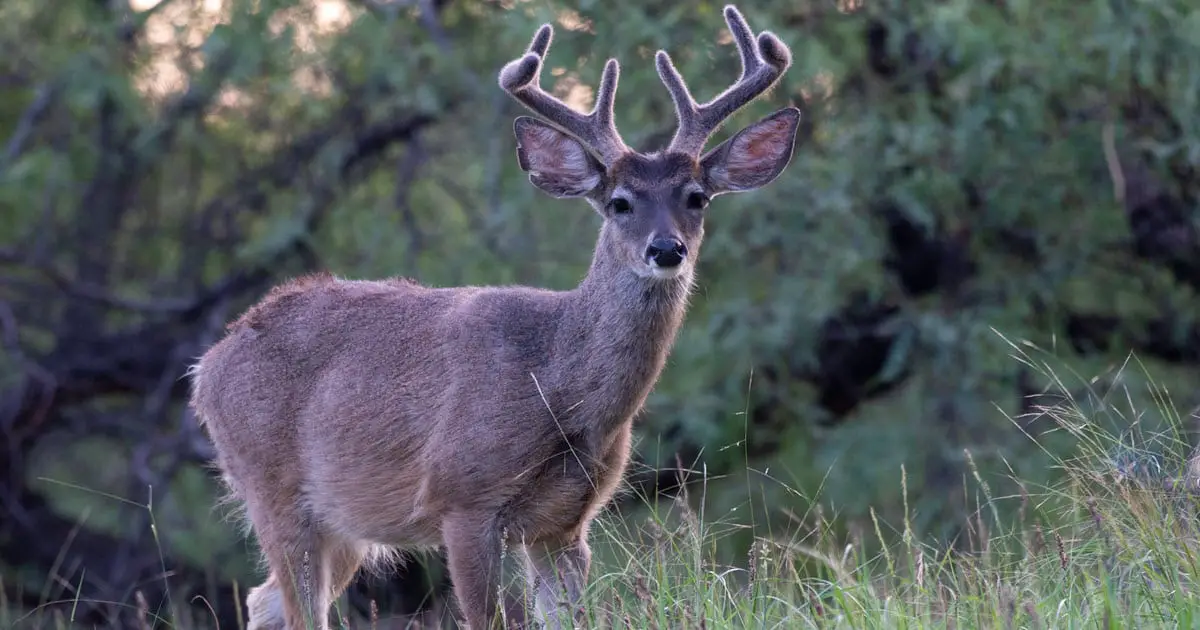
Updated on September 7, 2026. Coues deer are a tiny desert subspecies of white-tailed deer. Mule deer are a different, larger western species. In Arizona
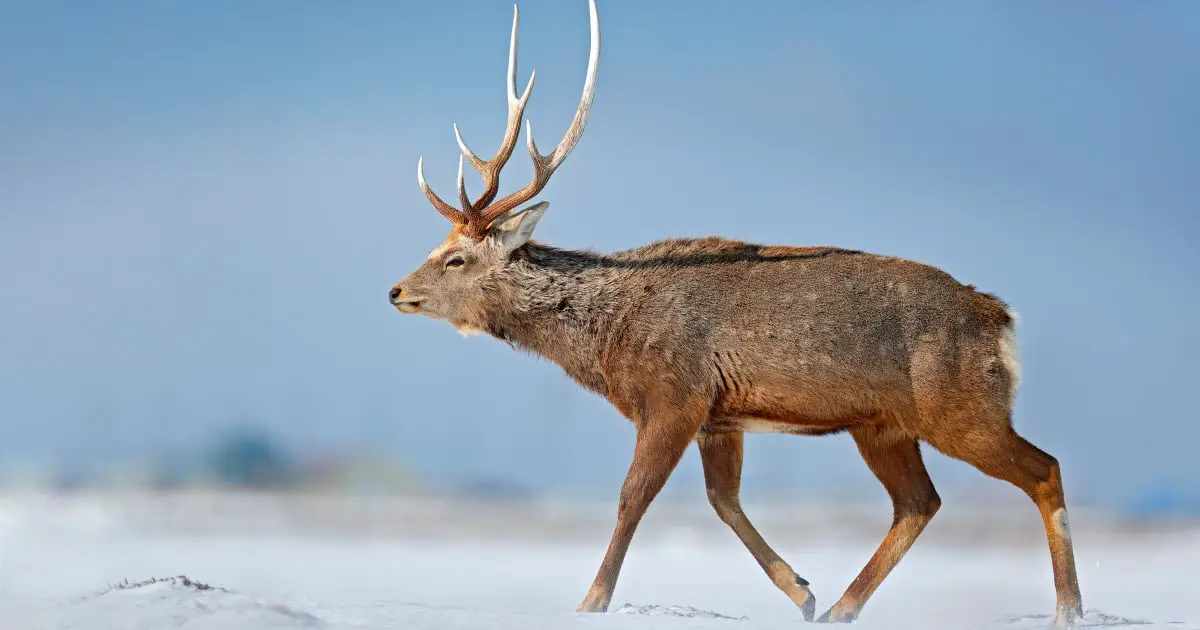
Updated on September 7, 2026. Sika deer and axis deer are the two spotted Asian deer Americans actually meet in the field, and they are
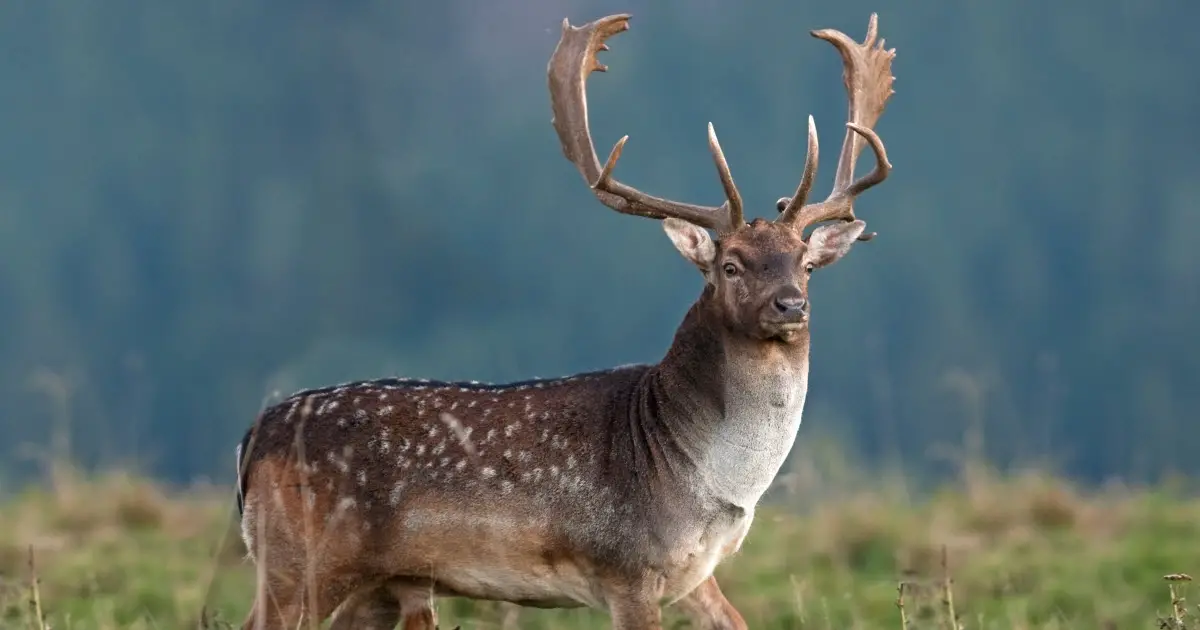
The fastest way to tell a fallow deer from a white-tailed deer is the rack, then the rump. A mature fallow buck carries broad, shovel-shaped

Updated on September 7, 2026. Blacktail deer White-tailed deer Size Columbian blacktail bucks commonly 100–200 lb live; Sitka often 100–150. NDA: adult bucks average up
Updated on September 7, 2026. Sika deer are smaller, darker, and louder than white-tailed deer, and they are not close relatives. The sika (Cervus nippon)
Updated on September 7, 2026. Adult axis deer (chital) keep white spots. Adult white-tailed deer do not. That is the ID. The hunt split is
Updated on September 7, 2026. Blacktail deer and mule deer are the same species — Odocoileus hemionus — listed as Least Concern on the IUCN
The short answer: pronghorn are not deer at all. Deer belong to the family Cervidae and grow branched antlers that are shed and regrown every
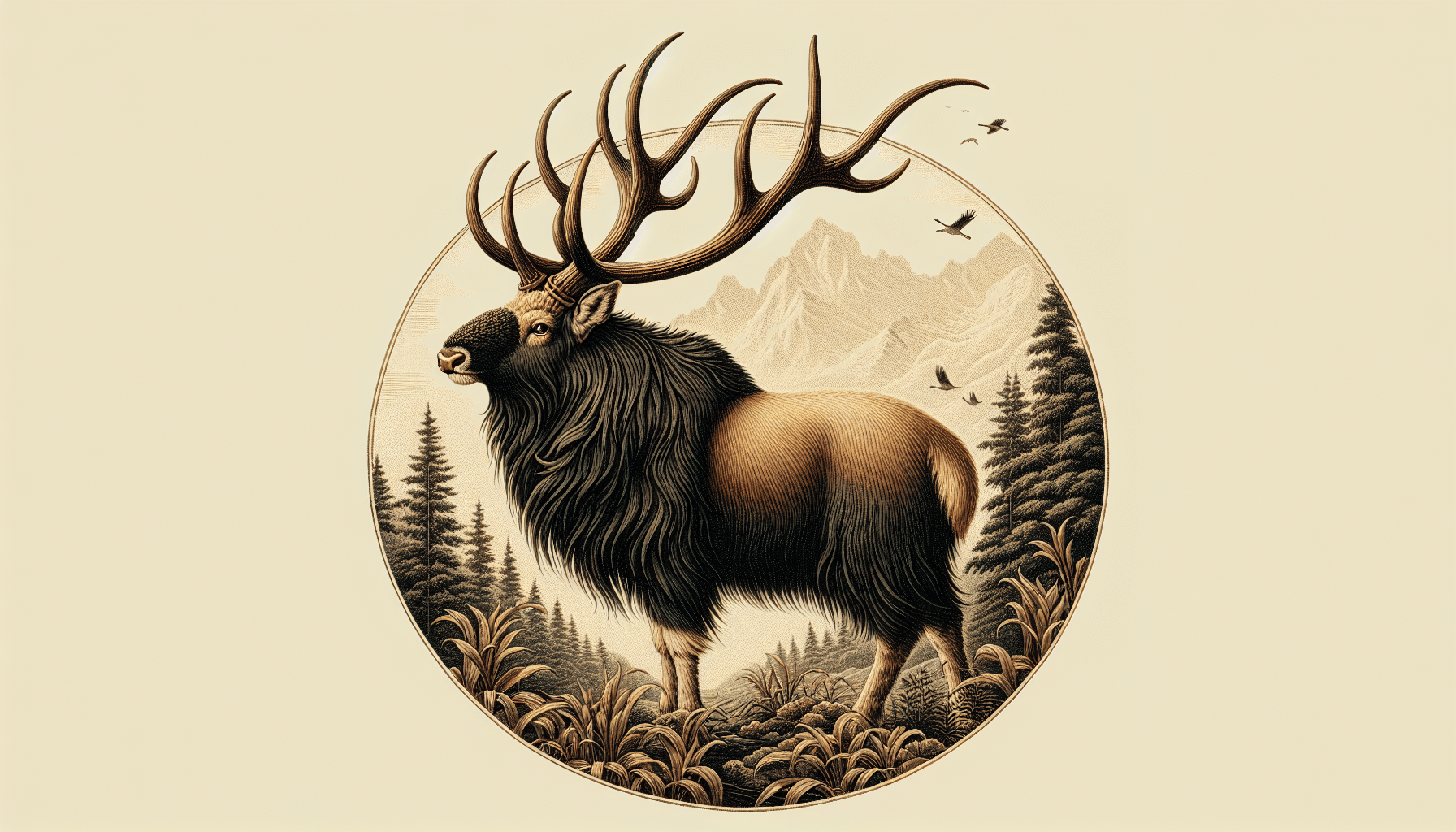
Understanding the Anhui Musk Deer The Anhui Musk Deer, scientifically known as Moschus anhuiensis, is a fascinating species belonging to the Moschidae family. This deer
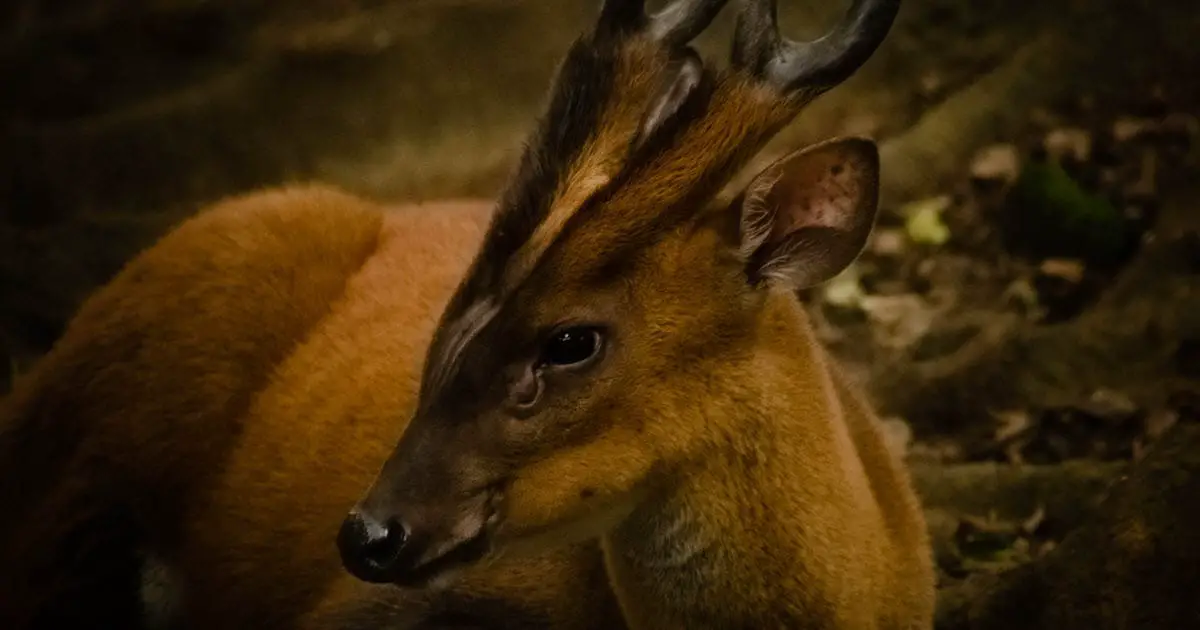
Introduction to the Bornean Yellow Muntjac Have you ever heard of the Bornean Yellow Muntjac? It’s a fascinating deer species that calls the dense rainforests
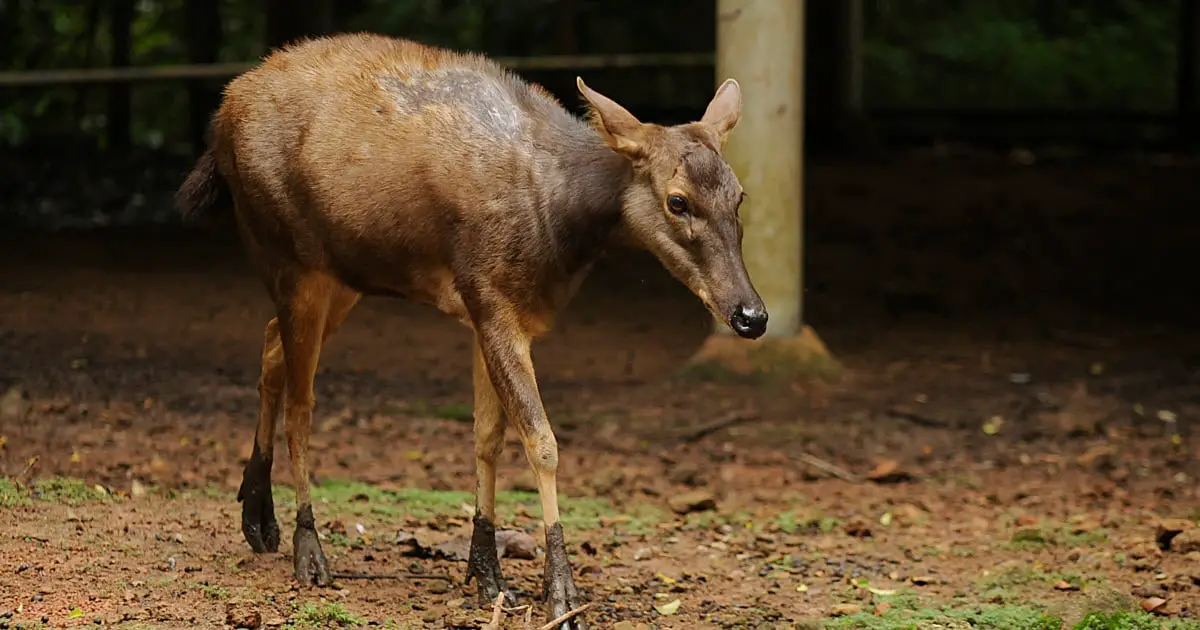
The Calamian Deer: A Treasure of the Philippine Islands If you’re curious about the Calamian deer, you’ve come to the right place. This unique species,
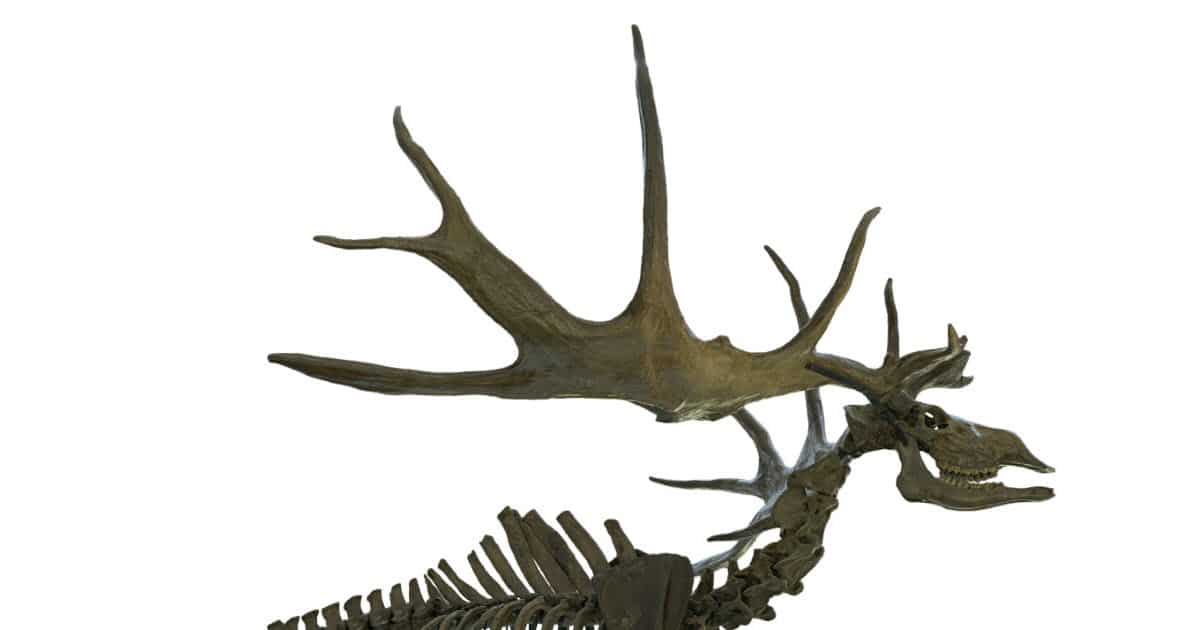
Known worldwide for their incredible antlers, Irish elk are an extinct species that still holds a lot of fame because of their incredible size and
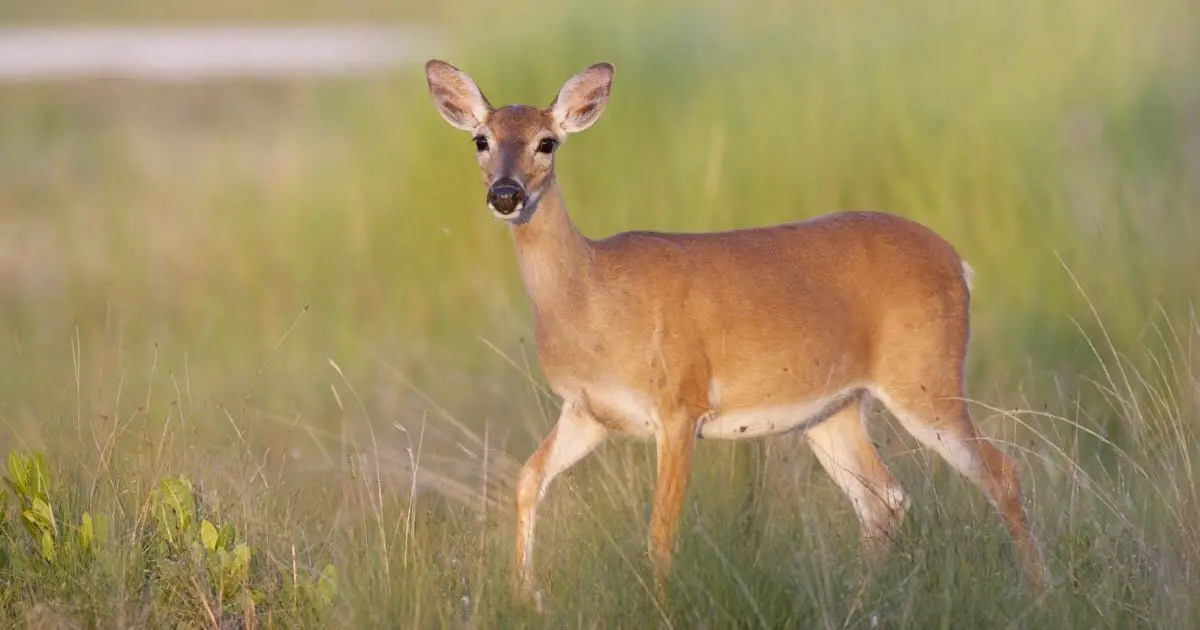
Updated on September 7, 2026. Key deer (Odocoileus virginianus clavium) are the smallest North American white-tailed deer, endemic to the Lower Florida Keys. Adults stand
Updated on September 7, 2026. Numbers in the facts table wear an official source. Hunt dates and tags live on the Arizona and New Mexico
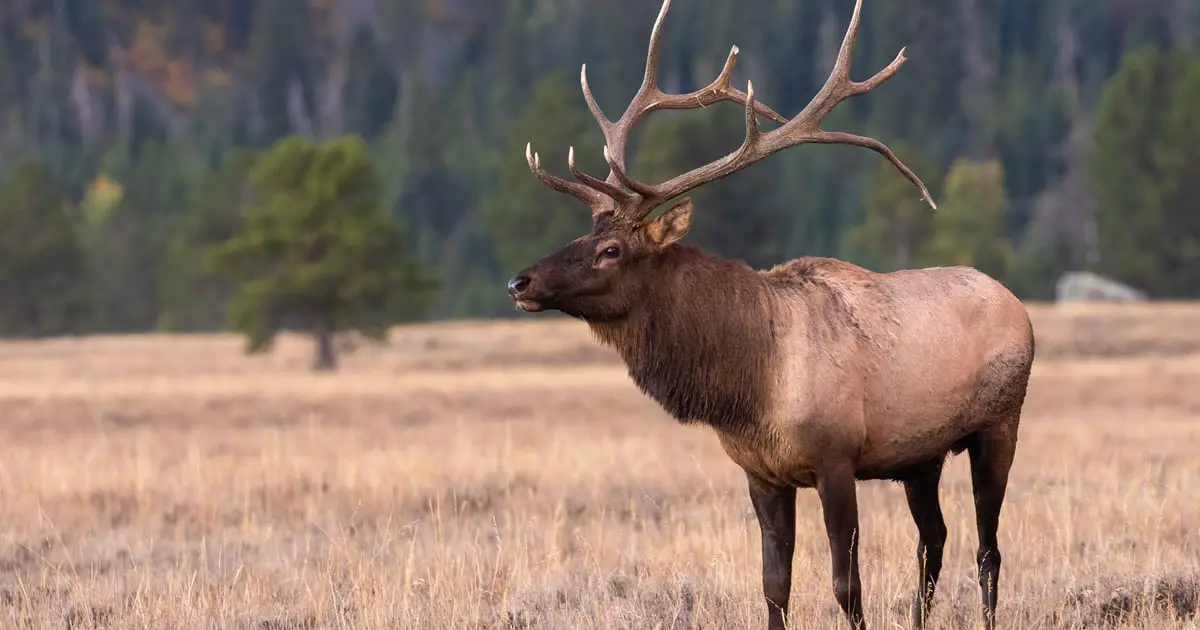
Elk, or wapiti (Cervus canadensis), are the second-largest living deer after moose. A typical Yellowstone bull stands about five feet at the shoulder and weighs
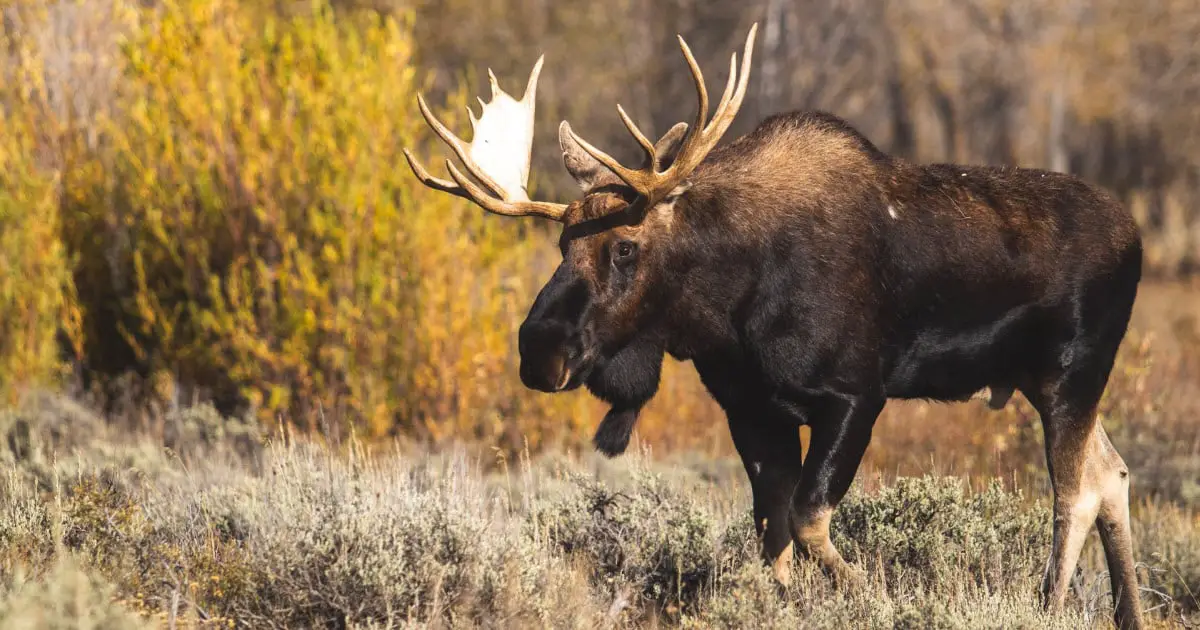
Updated on September 7, 2026. A moose (Alces alces) is the largest living deer: a solitary northern browser with palmate antlers, a shoulder hump, and
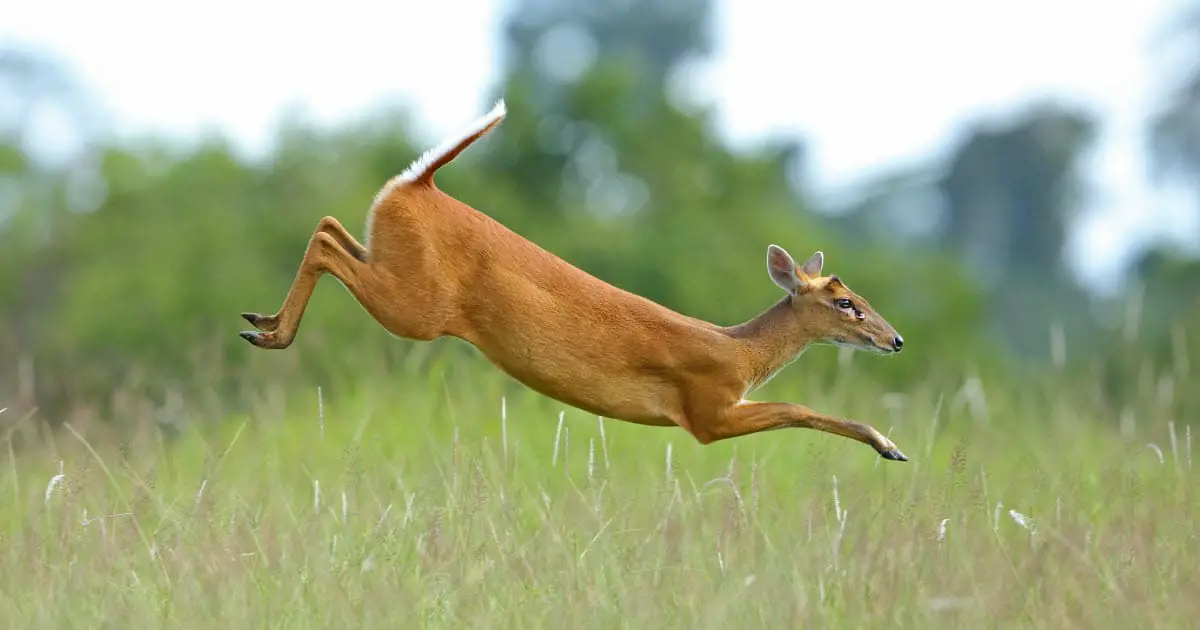
On this page we’ll share some information and facts about Muntjac Deer. You may know this type of deer by their other names, including “barking
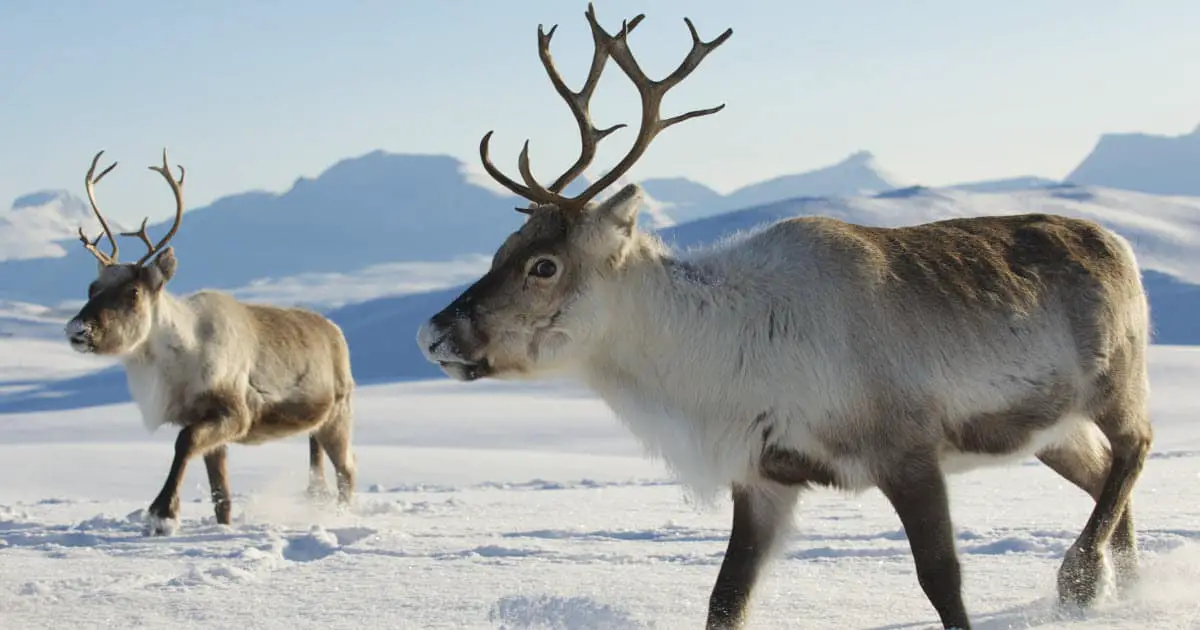
Updated on September 7, 2026. Confirm every herd count and listing on the agency page linked in the table. This is a plain-English species profile,