
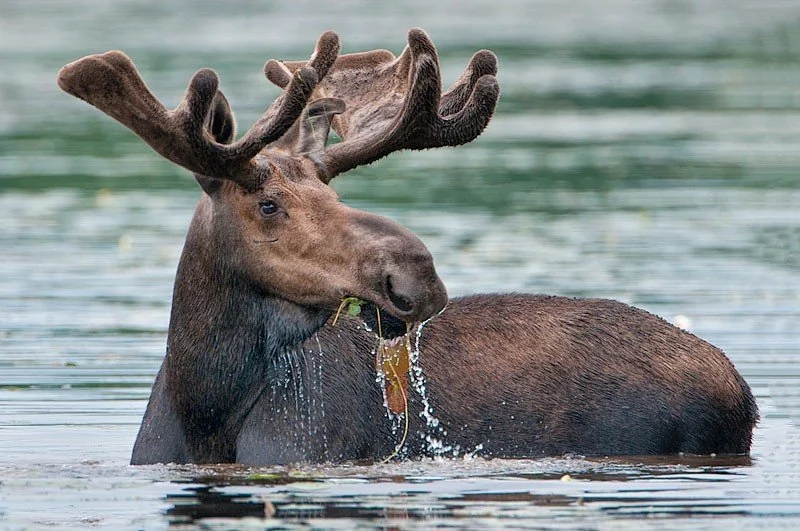
Caribou can run at speeds of up to about 50 miles per hour (80 km/h) in short bursts, making them one of the fastest deer species in the world. They can’t hold that top speed for long, but what really sets caribou apart is endurance: these animals can trot at a steady, ground-eating pace for hours and cover enormous distances over days and weeks. Even day-old calves can run fast enough to keep up with the herd — a survival necessity on the open tundra.
Because caribou and reindeer are the same species, everything here applies to both. Let’s look at how fast caribou really move, why they evolved this way, and how their speed compares to their predators and their deer cousins.
Caribou Top Speed: The Short Sprint
When a caribou needs to flee — from a wolf, a bear, or a sudden fright — it can accelerate to somewhere in the neighborhood of 45 to 50 miles per hour. That’s flat-out sprinting, and like all deer, a caribou can only sustain it briefly before it has to slow down.
For an animal that may weigh several hundred pounds, that’s remarkable speed. It puts the caribou near the top of the deer family’s speed rankings and comfortably faster over open ground than any of its main predators in a straight chase.
Sprinting is expensive, though. A caribou in deep snow or boggy summer tundra can’t always use its top gear, which is why the species’ defenses rely as much on vigilance, herd behavior, and sheer stamina as on raw speed.
Built for the Long Haul
The sprint gets the headlines, but the caribou is really a marathon specialist. Migratory herds travel farther in a year than almost any other land mammal, with some barren-ground herds covering distances that, added up over a year of wandering, can reach a few thousand miles. Our guide to the caribou migration tells that story in full.
To cover that kind of ground, caribou travel mostly at a brisk walk and a tireless trot, typically moving along at a pace a human jogger would struggle to match for even a fraction of the day. Several adaptations make this endurance possible:
- Long legs and big hooves. Wide, crescent-shaped hooves spread the animal’s weight like snowshoes, letting caribou float over snow and soft tundra that would bog down other animals.
- Efficient gait. The caribou’s steady trot covers ground with a minimum of wasted energy — the pace is built for hours, not minutes.
- A clicking tendon. Caribou make a distinctive clicking sound as they walk, produced by tendons slipping over bones in their feet. Biologists believe it helps herd members stay in contact, even in whiteouts and darkness.
- Cold-weather engineering. A double coat of hollow hair and a heat-exchanging nose mean caribou can keep moving in conditions that would shut most animals down.
Why Caribou Run: It’s Not Just Predators
Wolves and bears explain the sprint, but much of a caribou’s running has a smaller, peskier cause: insects. In high summer, Arctic mosquitoes, botflies, and warble flies descend on the herds in clouds, and the harassment can be relentless enough to drive caribou into headlong flight. Herds will run to windswept ridges, snow patches, and coastlines simply to escape the swarms, sometimes trading good grazing for insect relief.
Biologists consider this insect-driven movement a real cost of caribou life: energy spent running from mosquitoes is energy not spent building the fat reserves that carry a caribou through winter. It’s a good reminder that in the Arctic, the deadliest threats aren’t always the largest ones.
Caribou also simply travel more than other deer even when nothing is chasing them — drifting as they graze, shifting between feeding areas, and churning restlessly within the herd. Movement is the background hum of caribou existence.
Caribou Are Strong Swimmers Too
Migration routes in the Arctic cross big rivers and even sea channels, and caribou take to the water without hesitation. Their hollow guard hairs add buoyancy, and their broad hooves work like paddles. Adult caribou routinely swim across wide, cold rivers, and whole herds — calves included — make major water crossings during migration every year.
Even Newborn Caribou Can Run
Perhaps the most impressive runners in the herd are the youngest. A caribou calf can usually stand within its first hour and run within its first day of life. Calving happens in the open, with wolves and bears drawn to the herds, and a calf that can’t keep up is in immediate danger — so natural selection has made caribou calves precocious to an extraordinary degree. Within days, a healthy calf can keep pace with the moving herd across miles of tundra.
How Caribou Speed Compares
Against their predators
Wolves are the caribou’s chief predator, and a healthy adult caribou can outrun a wolf on open ground. Wolves succeed by hunting as a pack — testing herds, forcing panicked runs, and singling out calves, the old, and the weak. Speed keeps healthy adult caribou alive; it’s the margins of the herd where predators find their openings. Grizzly bears and golden eagles take calves when they can, which is exactly why calves must run so soon after birth.
Against other deer
Caribou hold their own in fast company. White-tailed deer are usually credited with sprints in the 30s of miles per hour, elk around 40, and moose — surprisingly quick for their bulk — roughly 35. The caribou’s burst speed of up to around 50 mph puts it at or near the top of the family, and no other deer comes close over migration distances.
Frequently Asked Questions
How far can a caribou travel in a day?
During active migration, caribou commonly cover on the order of 20 to 30 miles in a day, and they can do more when pushed by weather, insects, or predators. What’s remarkable isn’t any single day’s total but the consistency — caribou keep up this kind of travel for weeks at a stretch, twice a year, for their entire lives.
Can a caribou outrun a wolf?
In a straight sprint on open ground, yes — a healthy adult caribou is faster than a wolf. That’s precisely why wolves rarely rely on straight chases. Packs work together to split herds, drive animals into deep snow or rough terrain where the caribou’s speed advantage disappears, and target the individuals least able to flee.
Are caribou faster than reindeer?
They’re the same species, so their physical capabilities are essentially identical. That said, wild caribou live under constant pressure from predators and migrate long distances, while many Eurasian reindeer are semi-domesticated and move shorter distances under herders’ care — one of the behavioral differences we cover in caribou vs reindeer. Any speed difference is about lifestyle, not biology.


