Skip to content
World Deer Logo
  • Deer Species
  • Deer Behavior
  • Deer Biology
  • Predators of Deer
  • Animals
    • Animals A–Z
    • Buffalo
    • Otter
    • Sloth
    • Hyenas
    • Zebras
    • Tigers
    • Lions
    • Gorilla
    • Elephant
    • Dolphin
    • Squirrels
    • Lemur
    • Badgers
    • Dog Breeds
    • Wolves
    • Bats
    • Rabbits
    • Dogs
    • Bears
  • News
  • Deer Hunting
    • Hunting by State
    • Bowhunting
    • Public Land
    • Licenses
    • Gear
  • Deer-Proof Garden
  • Tools & Games
  • Places
  • Safety
  • Tools
Echidna Lifespan: How Long Do Echidnas Live?

Echidna Lifespan: How Long Do Echidnas Live?

Echidnas are fascinating creatures known for their unique appearance and survival skills. When it comes to lifespan, echidnas stand out compared to many other small

Megalibgwilia: The Ancient Echidna You Need to Know

Megalibgwilia: The Ancient Echidna You Need to Know

Megalibgwilia is an extinct genus of ancient echidnas that once roamed the prehistoric landscapes of Australia. These remarkable creatures offer a glimpse into the evolutionary
Long-Beaked Echidna: A Rare Mammal Explained

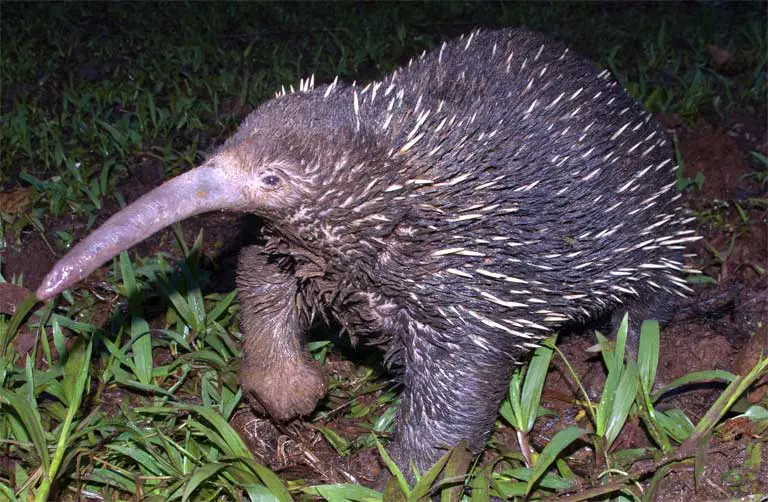
Long-Beaked Echidna: A Rare Mammal Explained

The long-beaked echidna is one of the most fascinating mammals on Earth. Known for its unusual mix of features part-hedgehog, part-anteater, part-mole this rare creature
Short-beaked echidna: Nature’s Spiky Mammal

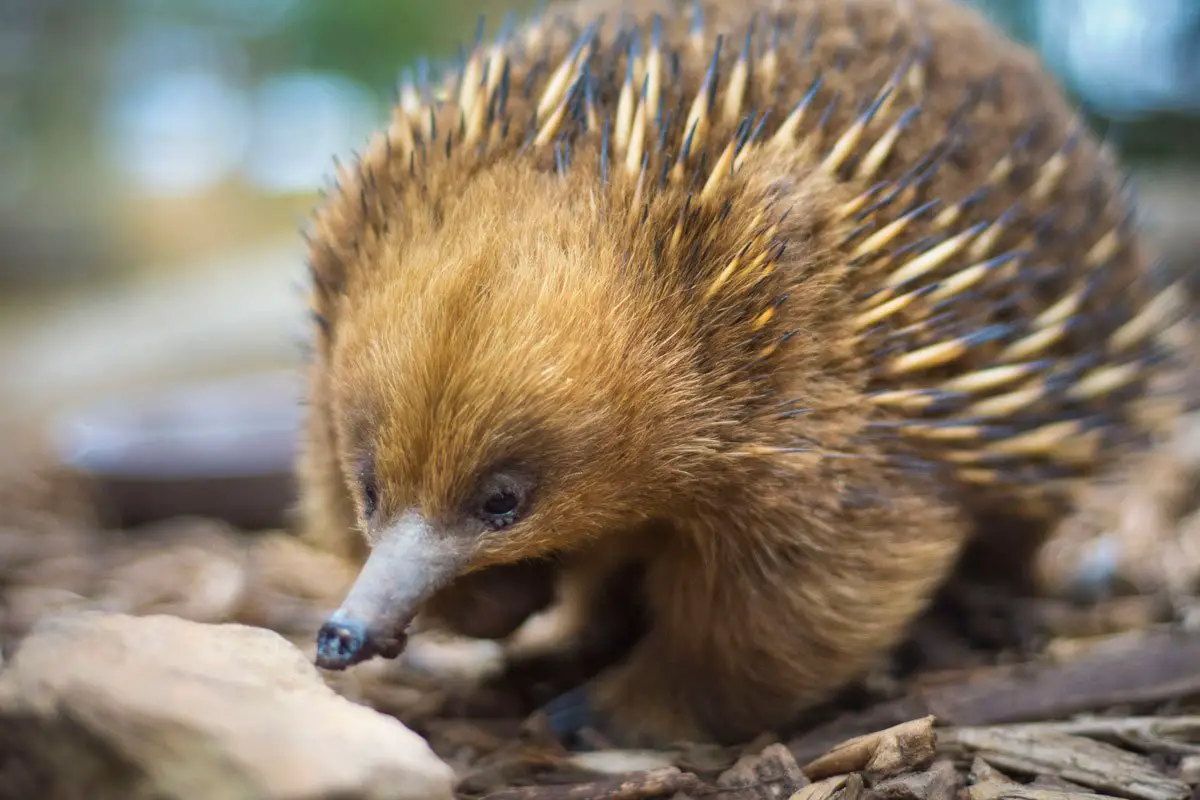
Short-Beaked Echidna: Nature’s Spiky Mammal

The short-beaked echidna (Tachyglossus aculeatus) is one of nature’s most unique creatures. Covered in sharp spines and equipped with a long, sticky tongue, this egg-laying
Unique echidna characteristics that set them apart

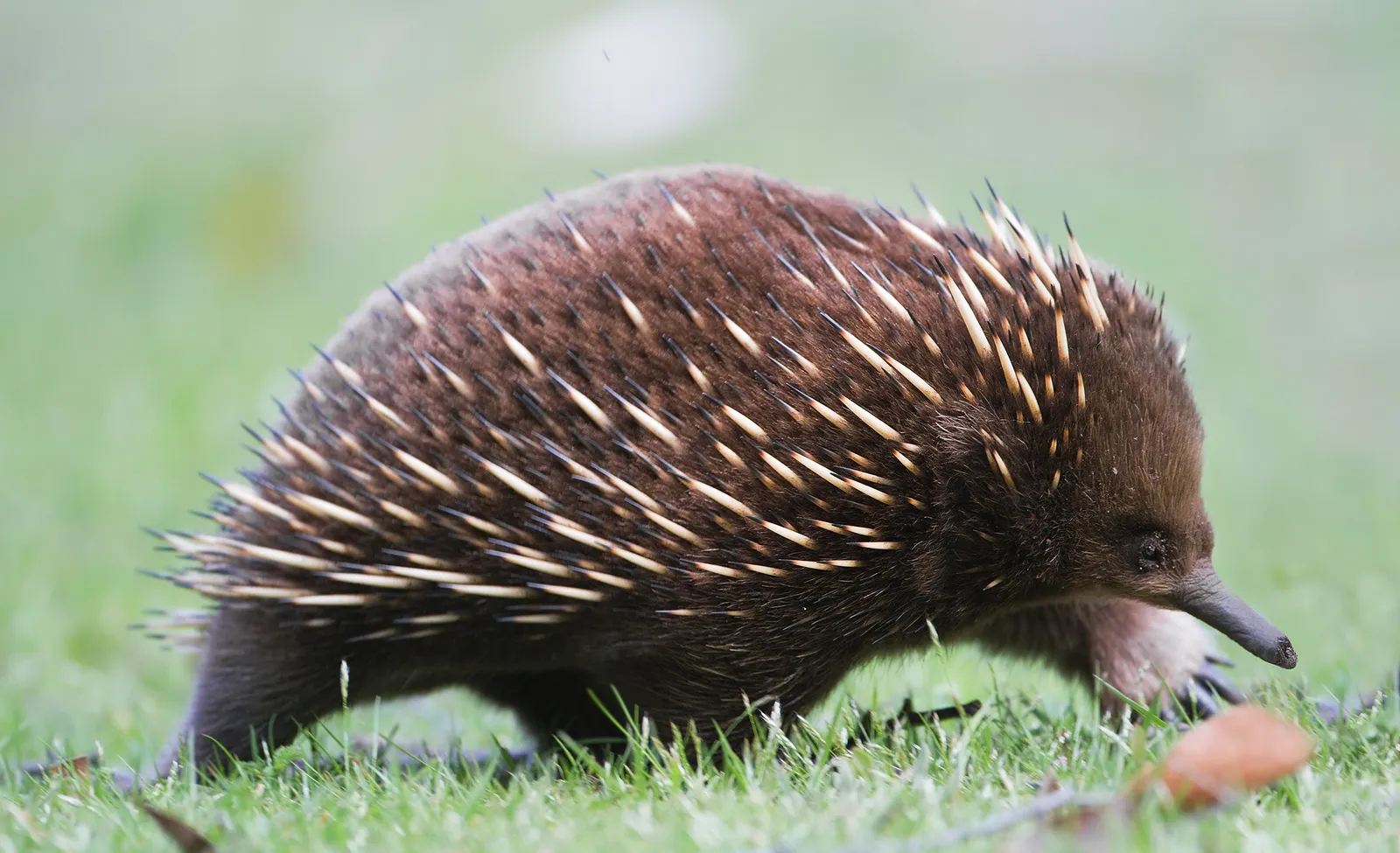
Unique Echidna Characteristics That Set Them Apart

Echidnas, also known as spiny anteaters, are one of the most extraordinary creatures on Earth. These unique mammals possess characteristics that make them truly one-of-a-kind.
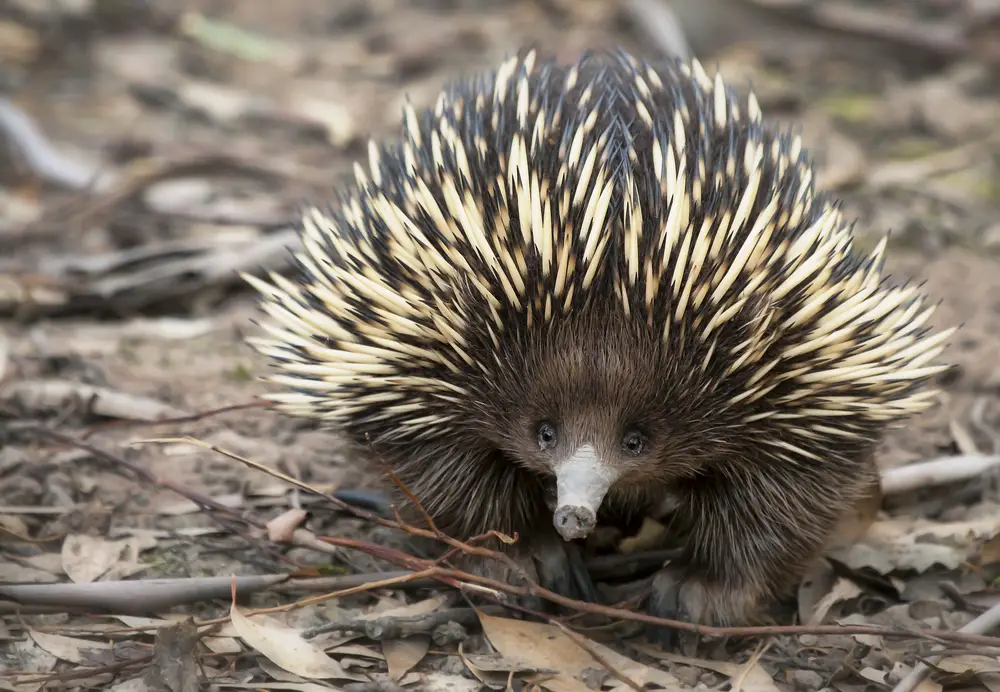
Echidna Predators: Natural Threats and Survival Tactics

Echidna Predators: Natural Threats and Survival Tactics

Echidnas, often called “spiny anteaters,” are fascinating creatures with unique survival strategies. Despite their ability to protect themselves using sharp spines, they still face threats
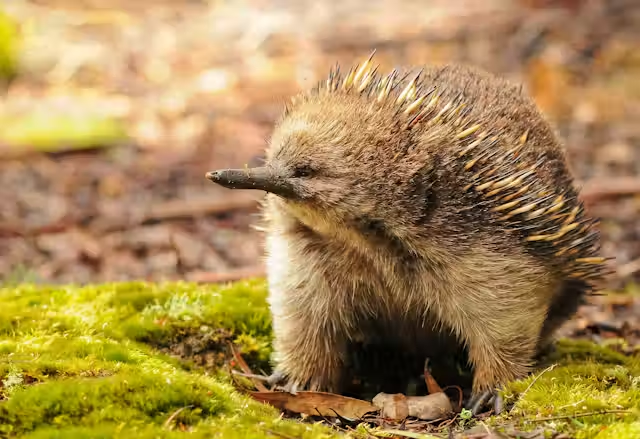
How do echidnas reproduce? Echidnas reproduce by mating during the winter season. The female lays a soft, leathery egg into a pouch where it hatches after about 10 days. The baby, called a puggle, stays in the pouch for 6-8 weeks before moving to a burrow. 2. How long are echidnas pregnant? Female echidnas are "pregnant" for about 20-30 days while the fertilized egg develops inside them. After that, they lay the egg in their pouch, where it hatches in about 10 days. 3. Do echidnas lay eggs or give live birth? Echidnas lay eggs, not live babies. They are one of only two egg-laying mammals (monotremes), the other being the platypus. 4. What is a baby echidna called? A baby echidna is called a puggle. It stays in its mother's pouch for about 6-8 weeks after hatching. 5. How many eggs do echidnas lay? Echidnas lay one egg at a time. The egg is soft-shelled and kept inside the mother’s pouch until it hatches. 6. How do echidnas care for their babies? After the egg hatches, the mother keeps the puggle in her pouch for 6-8 weeks, feeding it with milk that seeps from specialized skin patches. Once the puggle grows quills, it is moved to a burrow, and the mother returns every few days to nurse it. 7. How long do echidnas stay with their mothers? Echidna puggles stay with their mothers for about 6 months. They remain in the pouch for the first 6-8 weeks and are later moved to a burrow, where they continue to nurse until they are ready to be independent.

Echidnas Reproduction: Life Cycle, Mating, and Birth Process

Echidnas, also known as spiny anteaters, have one of the most unusual reproductive systems in the animal kingdom. As egg-laying mammals (monotremes), echidnas stand apart
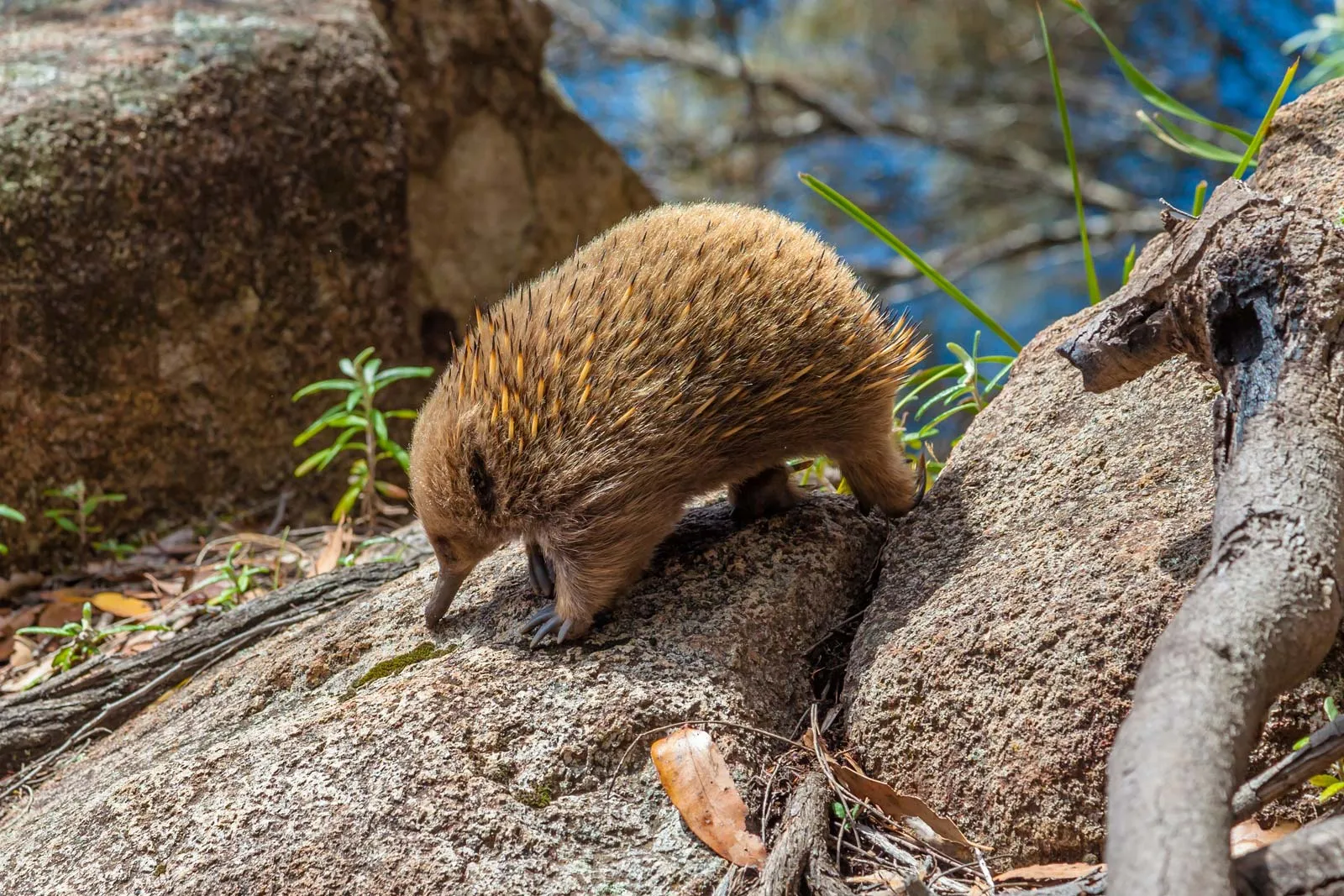
Echidnas diet explained: what they eat and how they survive

Echidnas Diet Explained: What They Eat and How They Survive

Echidnas, also known as spiny anteaters, are unique mammals that have adapted to survive on a specialized diet. Their eating habits, feeding techniques, and survival
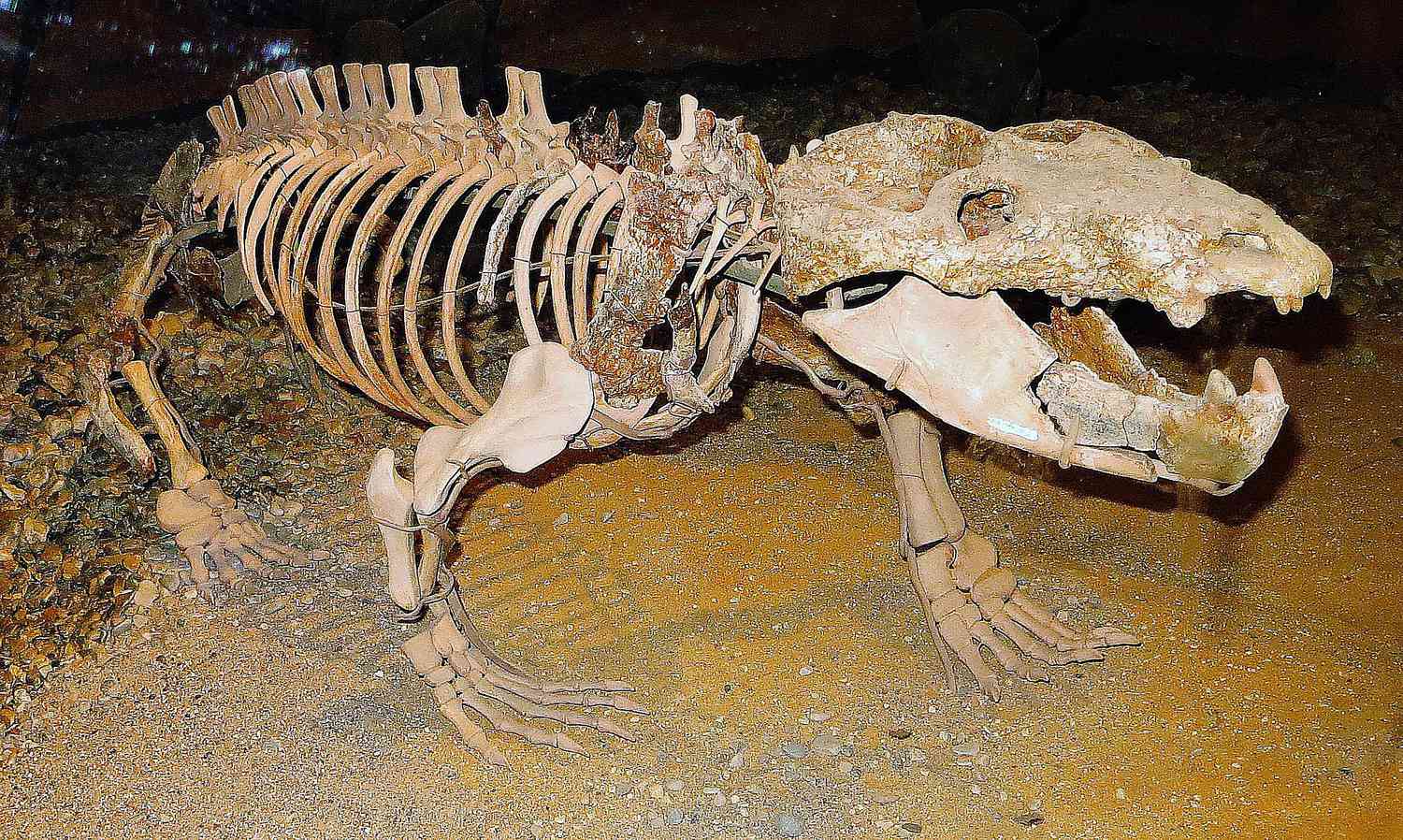
Therapsida fossils: key discoveries and their importance

Therapsida Fossils: Key Discoveries and Their Importance

Therapsida fossils provide an extraordinary window into the evolutionary past, offering insights into the transition from ancient reptiles to mammals. These fossils date back to
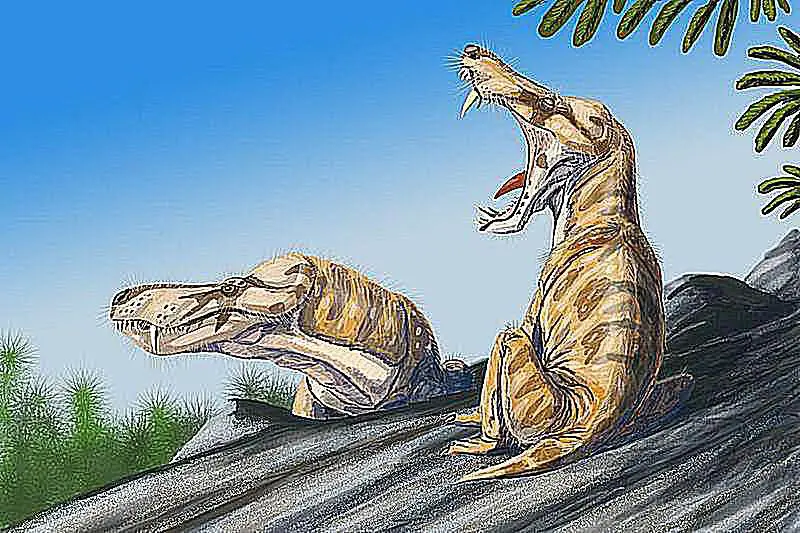
Therapsida Diet: What These Ancient Creatures Ate

Therapsida Diet: What These Ancient Creatures Ate

Therapsids were a group of ancient vertebrates that lived millions of years ago, long before mammals roamed the earth. They played a crucial role in
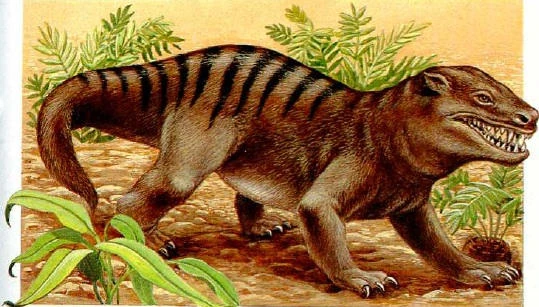
Cynodontia: Ancient Mammal Ancestors Unveiled

Cynodontia: Ancient Mammal Ancestors Unveiled

Cynodontia is one of the most important clades in the evolutionary history of mammals. These ancient, mammal-like reptiles emerged during the Late Permian period, approximately
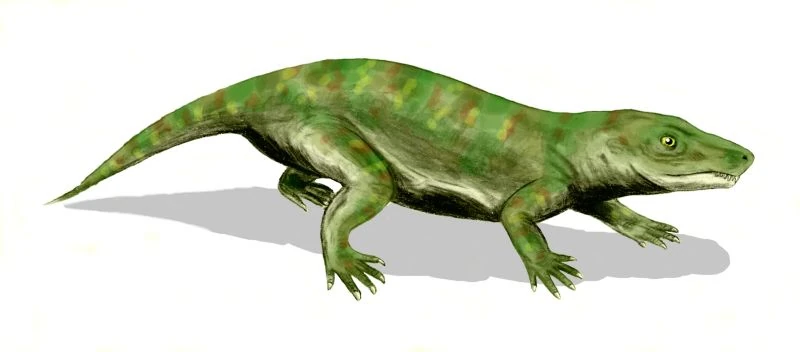
Therocephalia: Ancient Predators of the Prehistoric World

Therocephalia: Ancient Predators of the Prehistoric World

Therocephalia were ancient, carnivorous predators that lived during the Permian and Triassic periods, around 265 to 245 million years ago. These prehistoric creatures belonged to
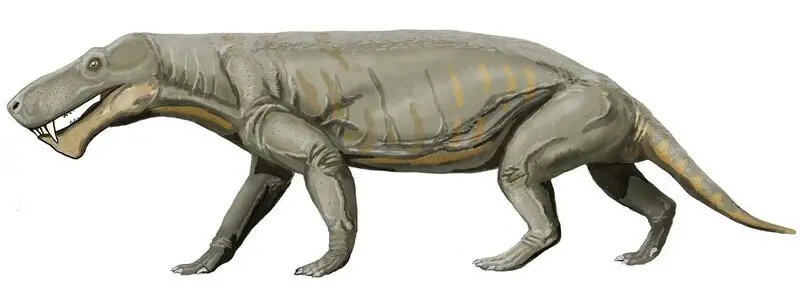
Unraveling Gorgonopsia: Ancient Predators of the Prehistoric World

Unraveling Gorgonopsia: Ancient Predators of the Prehistoric World

Gorgonopsia were ancient, fearsome predators that ruled the Earth long before dinosaurs took the stage. These prehistoric creatures, often compared to saber-toothed tigers due to
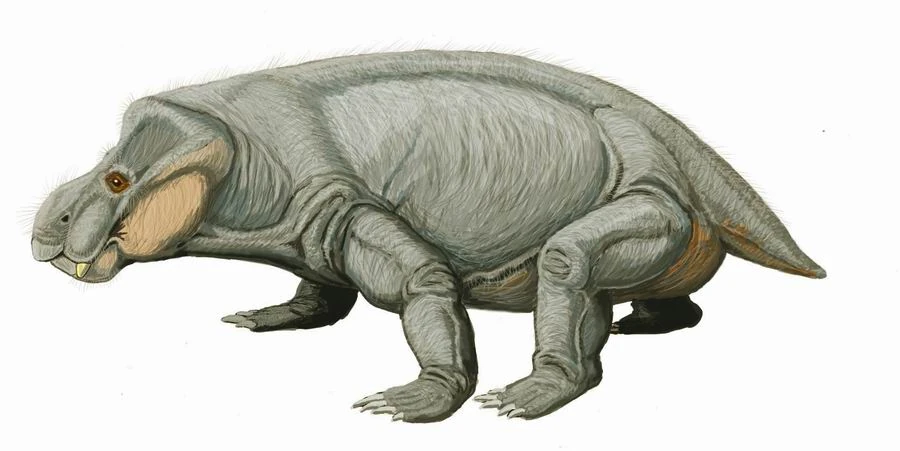
Anomodontia: Exploring the Ancient Mammal-Like Reptiles

Anomodontia: Exploring the Ancient Mammal-Like Reptiles

Anomodontia represents a fascinating and diverse group of ancient mammal-like reptiles that lived during the Permian and Triassic periods. These creatures were part of the
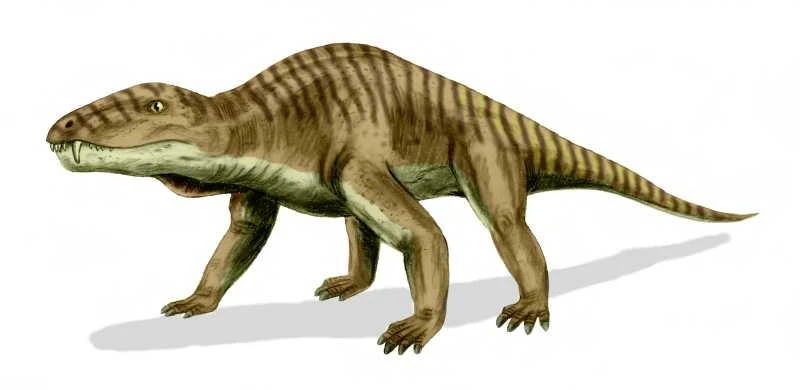
Dinocephalia: Unveiling the Ancient Rulers of the Permian Era

Dinocephalia: Unveiling the Ancient Rulers of the Permian Era

The Dinocephalians were some of the most formidable creatures to walk the Earth during the Permian Period. These ancient therapsids lived approximately 279.5 to 260
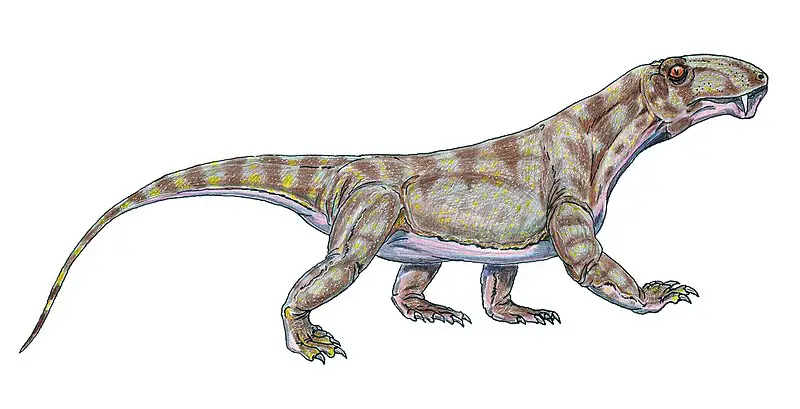
Biarmosuchia: The Ancient Predators Before Dinosaurs

Biarmosuchia: The Ancient Predators Before Dinosaurs

Biarmosuchia were ancient predators that lived during the Permian Period, long before dinosaurs walked the Earth. These creatures belonged to the larger group known as

Therapsida Behavior: Were They Aggressive or Defensive?

Therapsida Behavior: Were They Aggressive or Defensive?

Therapsida, an ancient group of synapsid reptiles that includes the ancestors of modern mammals, exhibited a wide range of behaviors. These creatures lived over 250
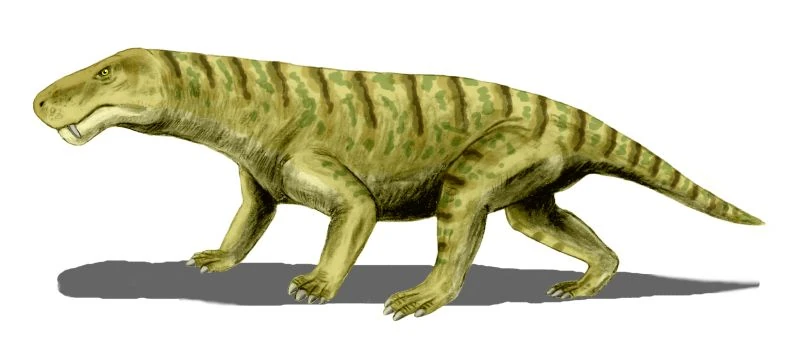
What are the characteristics of Therapsida

What Are the Characteristics of Therapsida?

Therapsida is a group of prehistoric vertebrates that played a key role in the evolution of mammals. These animals bridge the gap between early reptiles
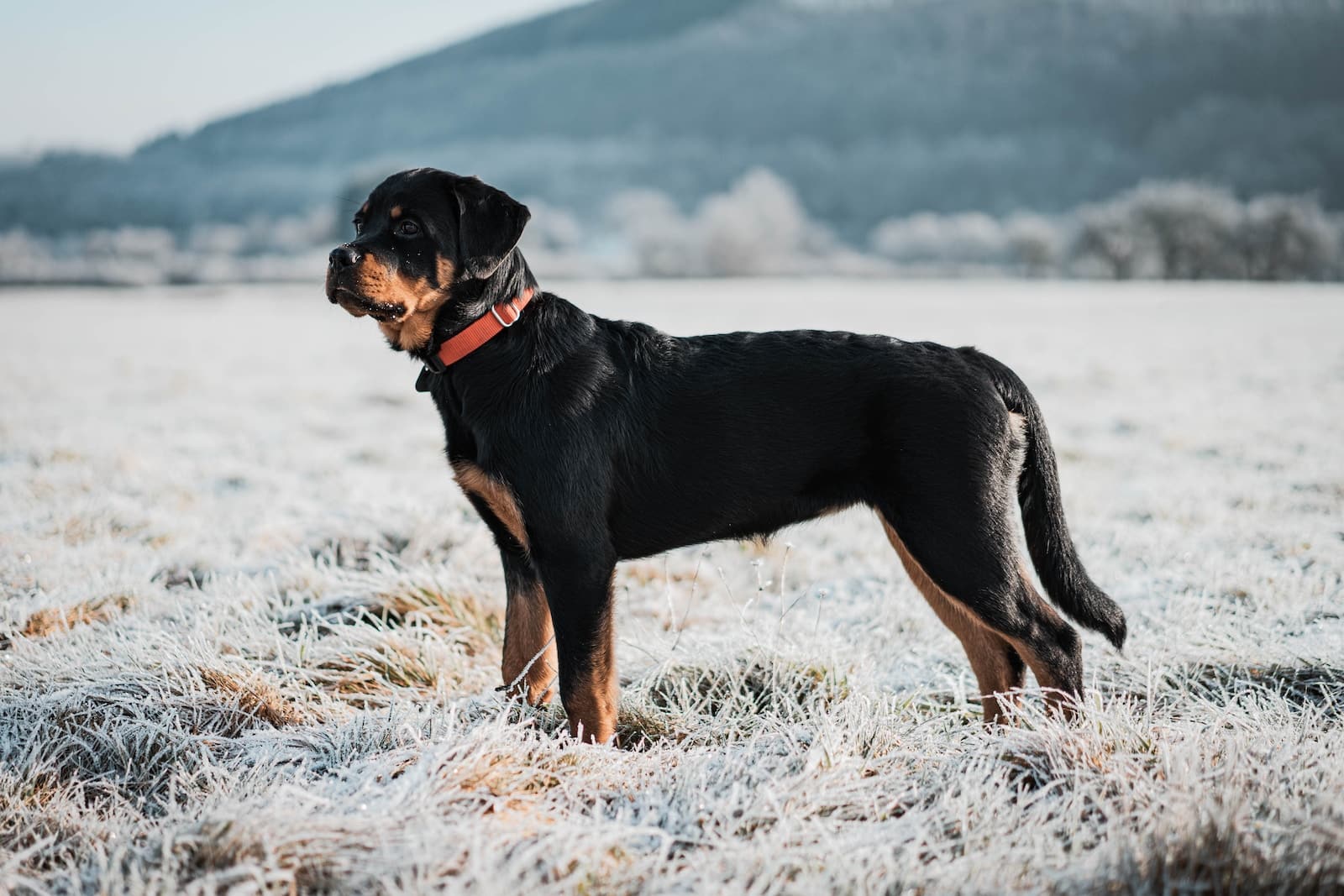
Rottweiler dog breed overview: key facts and traits

Rottweiler Dog Breed Overview: Key Facts and Traits

The Rottweiler is a large, powerful, and intelligent dog breed that is widely recognized for its loyalty, protective instincts, and bold appearance. Originally bred to

Dachshund Dog Breed: Size, Lifespan, and Personality

Dachshund Dog Breed: Size, Lifespan, and Personality

The Dachshund, also known as the “wiener dog” or “sausage dog”, is one of the most recognizable dog breeds in the world. Their long, low-slung
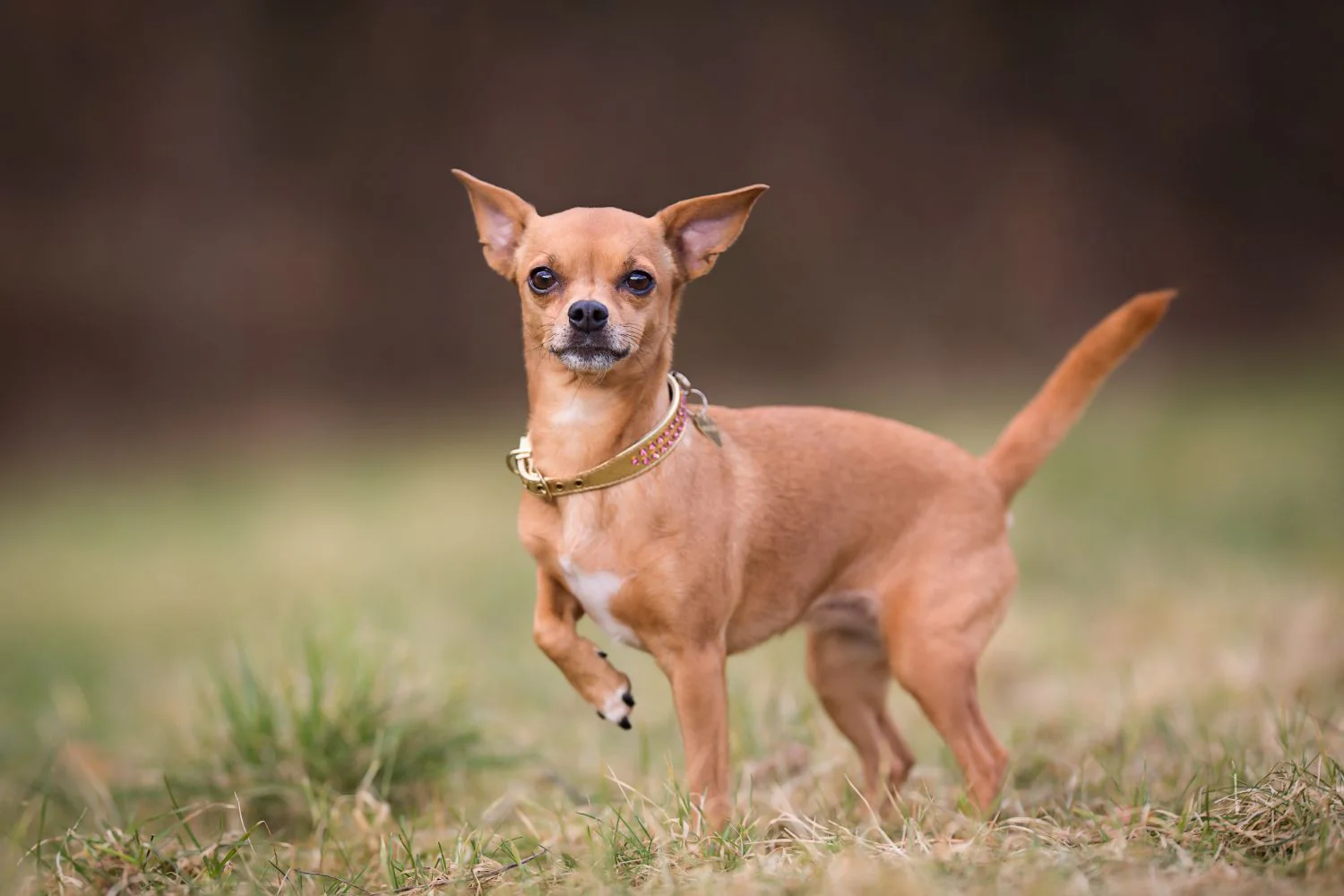
Chihuahua Dog Breed: Everything You Need to Know

Chihuahua Dog Breed: Everything You Need to Know

The Chihuahua is one of the smallest dog breeds in the world, but don’t be fooled by their size. These tiny dogs have big personalities,

Boxer Dog Breed: Everything You Need to Know

Boxer Dog Breed: Everything You Need to Know

The Boxer is one of the most beloved and recognizable dog breeds in the world. Known for their playful nature, loyalty, and protective instincts, Boxers
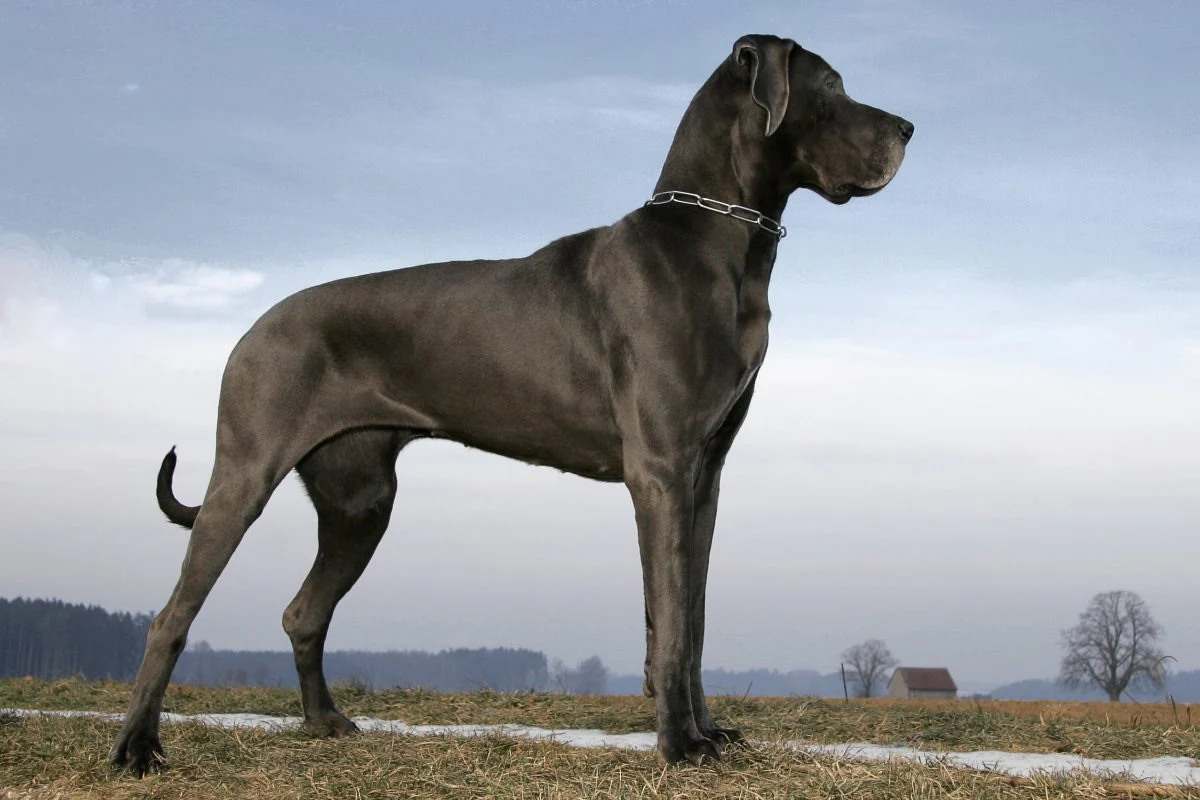
Great Dane: Everything You Need to Know About This Gentle Giant

Great Dane: Everything You Need to Know About This Gentle Giant

The Great Dane is a breed that turns heads wherever it goes. Known as the “gentle giant” of the dog world, this breed is famous

Poodle Dog Breed: Everything You Need to Know

Poodle Dog Breed: Everything You Need to Know

The Poodle is one of the most popular and versatile dog breeds in the world. Known for their intelligence, elegance, and playful personality, Poodles have

World Deer Logo
Facebook Pinterest

WorldDeer.org was launched in 2005 and has evolved over the past 21 years to feature some of the best information about deer on the web.

Here you’ll find informative articles about the biology, habitat, habits of deer. We also answer common questions about deer and all other animals. We now have a team of experts for all animals ranging from lizards, to dogs and cats to large elephants.

© Copyright 2026 WorldDeer.org. All Rights Reserved. | Website Design & Development by Quick Brown Fox

Deer Species List Deer Information Deer Facts Deer Behavior Deer Hunting Bears All Animals News about Deer Dog Breeds

Home

Blog

About Us

Contact Us

Privacy Policy

Advertising Policy

Write For Us