

White-Tailed Deer Population Thrives Despite Historic Challenges in Ohio
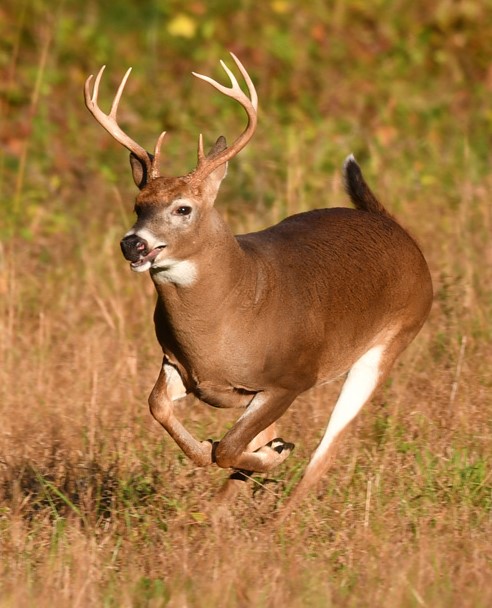
The white-tailed deer remains a prominent species in Ohio, drawing attention from hunters and landowners alike. For many hunters, the pursuit offers both the thrill of harvesting a mature buck and the reward of lean, nutritious venison from a younger doe.
Meanwhile, farmers often face difficulties managing crops impacted by deer browsing, especially under challenging environmental conditions such as harsh winters, spring flooding, and summer droughts.
The balance between sustaining deer populations for hunting and mitigating agricultural damage has fueled ongoing discussions throughout Ohio’s statehood. These debates contributed to historic periods of steep population declines and helped shape modern conservation practices.
Current State of Ohio’s White-Tailed Deer
Although pinpointing an exact number is difficult, estimates suggest Ohio’s white-tailed deer population hovers around 800,000. This figure is derived from Ohio Division of Wildlife harvest data and field observations.
Population fluctuations reflect environmental variables, including birth rates, food availability, and climatic challenges like last year’s severe drought. This year, an outbreak of epizootic hemorrhagic disease (EHD) has affected deer in southeastern Ohio, a viral disease known to cause sudden mortality in cervid populations.
White-tailed deer exhibit remarkable resilience, having survived and adapted to various pressures across millions of years.
Historical Context and Biological Resilience
Fossils indicate white-tailed deer first appeared between 2 and 5 million years ago, making their lineage significantly older than modern humans, who have existed for roughly 300,000 years.
Glaciation during the Pleistocene epoch restricted deer migration northward. Ohio’s current white-tailed deer populations only settled after the retreat of the last Ice Age approximately 11,700 years ago.
Historically, these deer served as a crucial food source for predators such as wolves, large cats, and indigenous communities including the Miami and Shawnee tribes. The white-tailed deer played an integral role in the culture and survival strategies of these Appalachian peoples.
For thousands of years, Ohio’s deer thrived alongside now less common species like elk, bison, black bears, and mountain lions.
Wildlife Expert Perspective
- The fluctuating deer population underscores the species’ adaptability but also highlights the persistent ecological challenges they face, such as disease outbreaks and habitat changes.
- The presence of diseases like EHD demonstrates the importance of ongoing disease monitoring and wildlife health management.
- Balancing agricultural interests with wildlife conservation requires adaptive management, recognizing the ecological role of deer while addressing human-wildlife conflicts.
Ohio’s white-tailed deer stand as a testament to both ecological resilience and the complexities inherent in managing large mammal populations in fragmented landscapes.
Additional reporting and sources from: How white-tailed deer overcame extinction – Farm and Dairy