
Ohio Deer Rut Sparks Spike in Vehicle Collisions
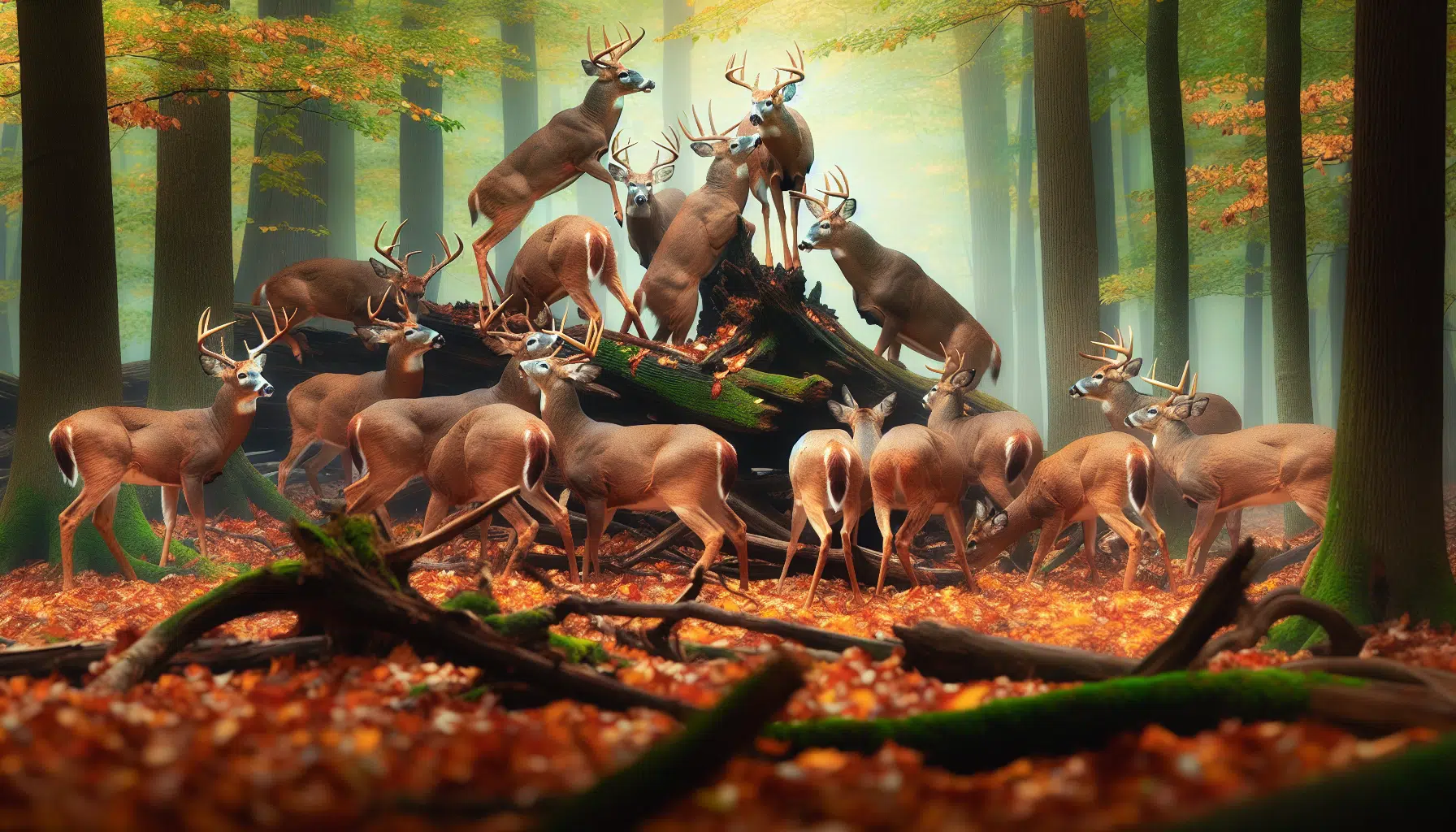
The annual deer breeding season, commonly known as the rut, has commenced in Ohio ahead of the upcoming deer gun hunting period. This seasonal shift typically triggers a sharp increase in deer-vehicle crashes across the state.
Data from the Ohio State Highway Patrol indicates nearly 110,000 deer-related collisions have occurred in Ohio since 2020. The rut season, which generally spans from October to December with a peak in early November, coincides with heightened deer movement and activity.
Increased Deer Activity Heightens Risk for Motorists
During the rut, mature bucks intensify their search for mates, often traveling beyond their usual home ranges, which elevates the risk of road crossings. Deer are most active during dawn and dusk, increasing the probability of vehicle encounters at these hours.
Experts from the Ohio Department of Natural Resources (ODNR) recommend vigilance when driving near natural features such as forests, streams, and fencerows, as these corridors serve as common pathways for deer.
Recent Collision Statistics and Hotspots in Ohio
Ohio has recorded 12,765 deer collisions so far in 2025, contributing to over 109,000 incidents since 2020. Areas including Stark, Richland, Hancock, and Defiance counties report the highest frequencies of such crashes, according to reports from the Columbus Dispatch.
Although 95% of these incidents result only in property damage, there have been 44 fatal crashes leading to 45 human fatalities between 2019 and 2023, underscoring the potential severity of these encounters.
Broader Regional Context and Risk Patterns
Similar seasonal spikes occur across other states; for example, South Carolina ranks 14th nationally for animal-related insurance claims in 2026-2025, with a 1 in 93 chance per driver of experiencing a collision, according to State Farm.
The South Carolina Department of Natural Resources reports that approximately 45% of deer-related vehicle incidents happen during the rut months, reinforcing the nationwide pattern.
Expert-Recommended Safety Measures To Reduce Collision Risk
To mitigate risks during the breeding season, the Ohio Department of Natural Resources and the Ohio State Highway Patrol advise motorists to:
- Always wear a seat belt.
- Reduce speed, especially in high-risk areas.
- Scan roadsides diligently for deer movement.
- Use high-beam headlights when no oncoming traffic is present to enhance visibility.
- Exercise heightened caution at dawn and dusk when deer activity peaks.
- If a collision is unavoidable, brake firmly and maintain your lane without swerving to avoid loss of control.
Post-Collision Protocol for Motorists
In the event of striking a deer, drivers should prioritize safety by moving their vehicle to a secure location if possible, activating hazard lights, and promptly reporting the incident to authorities.
The Ohio State Highway Patrol emphasizes remaining calm and cautious during such emergencies to prevent secondary accidents.
Biological Context Behind Seasonal Deer Movement
From a wildlife perspective, the rut triggers behaviors that increase risk to both deer and humans. Bucks engage in increased roaming and aggressive encounters, often disregarding usual caution around roads. Additionally, does may be moving to find secure bedding or fawning areas.
Understanding these biological factors helps frame why animal-vehicle collisions reliably surge during this period and highlights the importance of driver awareness.
Additional reporting and sources from: Here’s how to avoid car collisions with deer during mating season in Ohio