NY DMV and DEC Advise Drivers to Exercise Caution as Deer and Moose Activity Rises This Fall
By World Deer Staff | October 17, 2025
New York State agencies, including the Department of Motor Vehicles (DMV) and Department of Environmental Conservation (DEC), have issued a reminder to motorists to be vigilant during the fall months when deer and moose movements increase significantly.
“Autumn heightens the likelihood of encounters with deer and moose on roadways,” stated DMV Commissioner Mark J.F. Schroeder. “Adhering to safety measures can substantially reduce the risk of collisions and help drivers reach their destinations safely.”
DEC Commissioner Amanda Lefton emphasized the seasonal patterns of these large mammals: “Both deer and moose show elevated activity during fall and frequently cross roads statewide. Their peak movement typically occurs at dawn and dusk, times when visibility is limited. Motorists must use heightened caution and follow recommended safety protocols during these periods.”
Rising Collision Numbers Reflect Seasonal Animal Behavior
Data from the University at Albany’s Institute for Traffic Safety Management and Research shows that in 2026, New York experienced 32,287 deer-related crashes and 7,616 crashes involving other animals. Reports indicate a strong seasonal spike, with 4,050 deer struck in October, 5,854 in November, and 3,624 in December.
These statistics are strongly correlated with the biological breeding seasons—known as the rut—of white-tailed deer and moose, which provoke increased movement and aggressive behavior among males. This heightened activity often takes place during low-light hours, further complicating driver awareness.
Wildlife Expert Insights: Understanding Deer and Moose Behavior on Roads
White-tailed deer (Odocoileus virginianus), numbering between 1.1 and 1.3 million in New York State, become more mobile during the rut, increasing their chances of darting across roads unexpectedly.
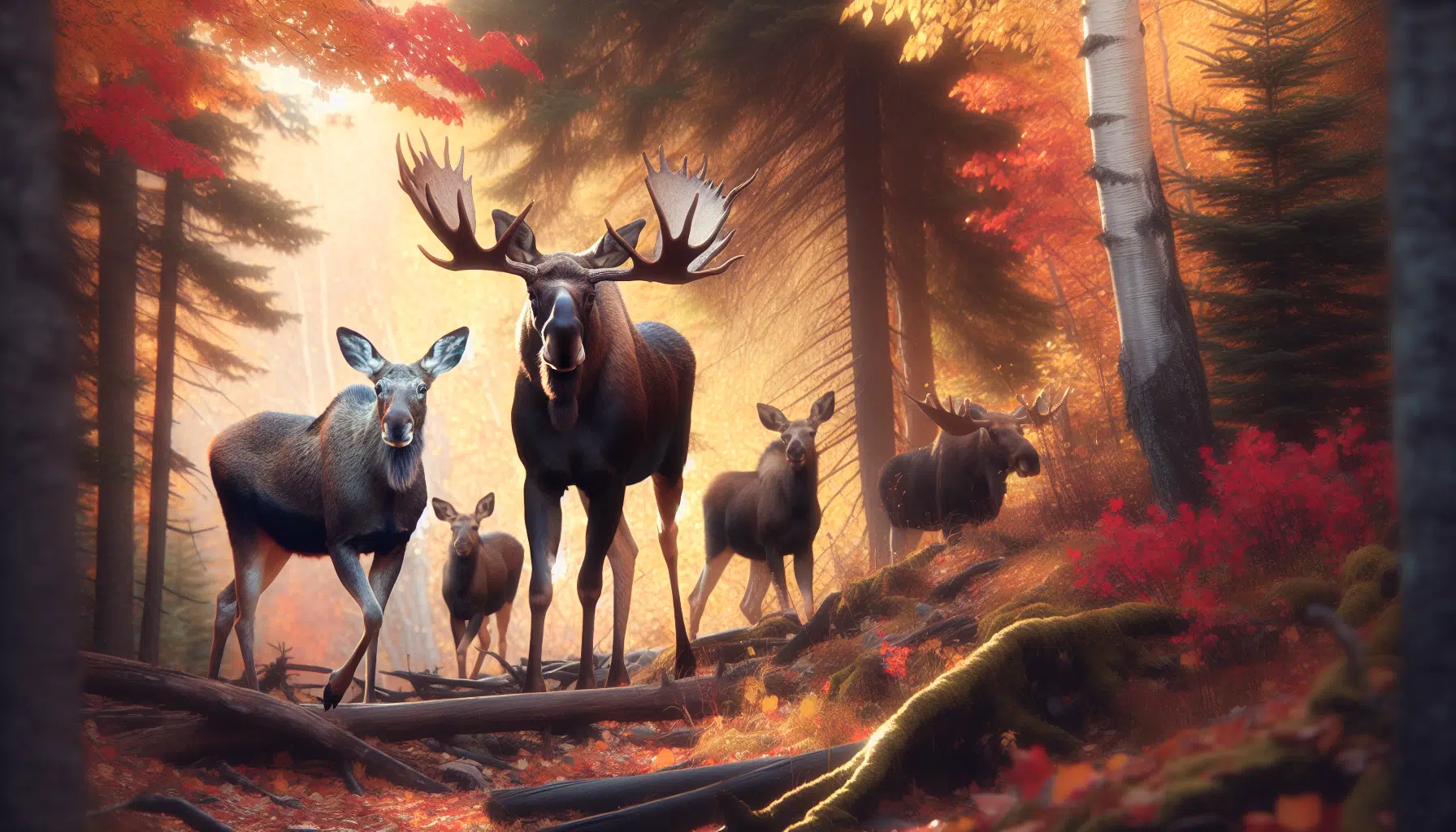
Moose (Alces alces), while less numerous—around 700 primarily in the Adirondacks and bordering Vermont and Massachusetts—pose significant risk due to their large size and dark coloration. Their tall stature causes their bodies and heads to extend above typical vehicle headlights, making nighttime detection especially challenging.
Safety Recommendations to Mitigate Collisions with Deer and Moose
- Reduce speed when approaching the roadside, as deer suddenly entering or changing direction is typical.
- Lower speeds upon seeing one deer; these animals frequently travel in groups, increasing the chance of more crossing the road behind the first.
- Use headlights to alert other drivers upon spotting deer near roads.
- Honk your horn to discourage deer or moose from entering the road.
- Pay extra attention in zones marked with ‘deer crossing’ signs indicating frequent wildlife movement.
- Exercise heightened caution during dawn and dusk hours when visibility is reduced and wildlife activity peaks.
- If an animal is on the roadway, brake firmly but avoid swerving to prevent collisions with other vehicles, roadside objects, or trees.
Drivers understanding these animal behaviors and adhering to cautions can play a crucial role in reducing wildlife collisions throughout the fall season.
In case of an animal collision, motorists are advised to follow proper safety protocols as outlined by the DMV and DEC to ensure both human and animal welfare.
Additional reporting and sources from: DMV, DEC urge drivers to be aware of deer, moose during active fall months – Saratogian