
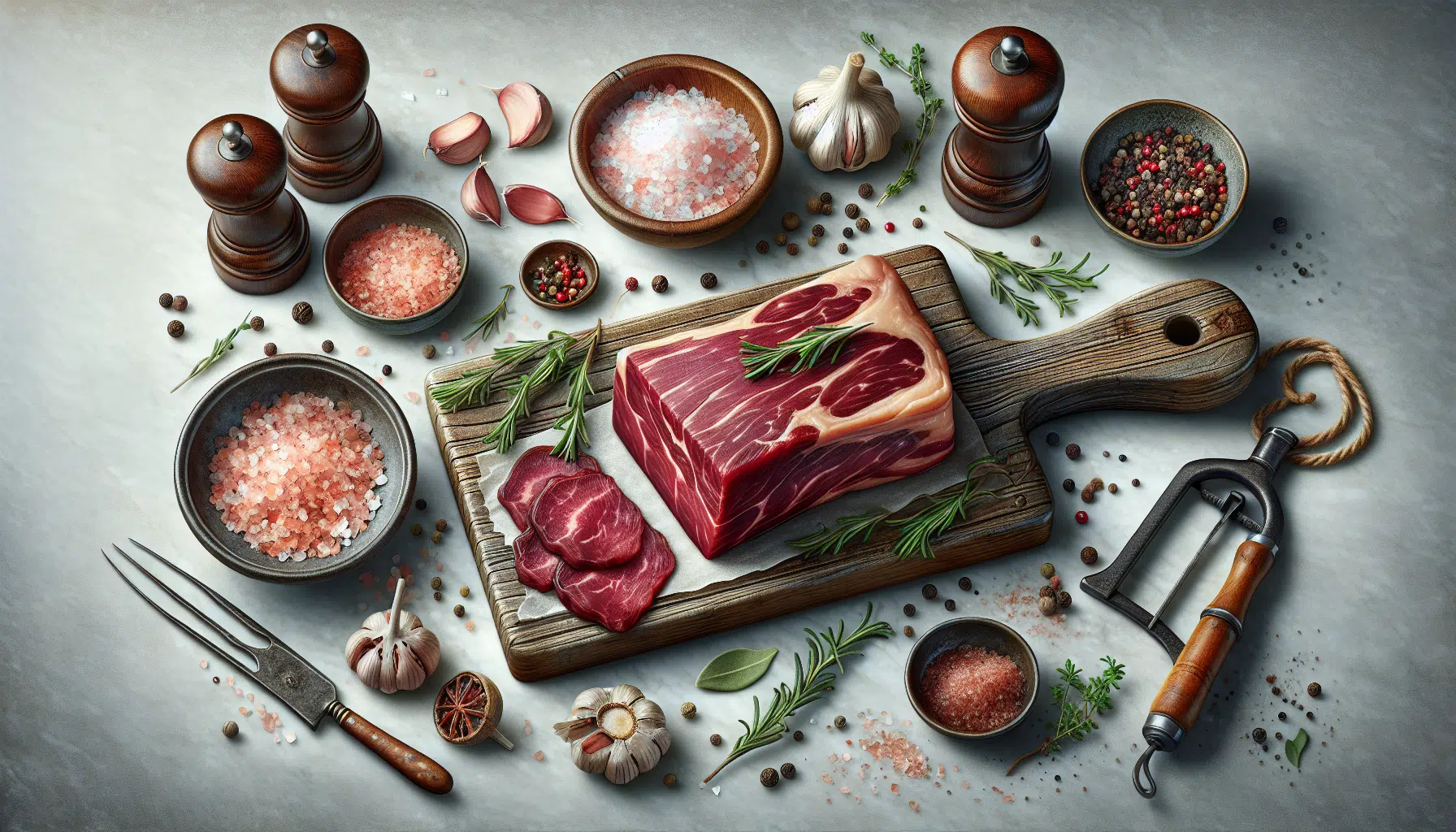
To make venison stew, cube tough cuts like shoulder or neck into 1–1.5 inch pieces, dredge them lightly in flour, brown them hard in batches, then simmer them gently with stock, red wine, and root vegetables for 2.5–3 hours until the meat falls apart at the touch of a fork. Stew is where venison’s toughest, most overlooked cuts become the best thing in the freezer — the long, wet cook dissolves the connective tissue that makes those cuts impossible as steaks.
The single most important idea in venison stew is patience. Lean deer meat passes through a tough, dry middle stage during braising, and cooks who taste it at the 90-minute mark often conclude the stew failed. It didn’t — it just isn’t done. Push through to fork-tender and the payoff is enormous. This pot serves 6.
The Right Cuts for Stew
Use the working muscles: shoulder, neck, shank, and the odd tough ends from the hindquarter. These carry the collagen that melts into the silky body a stew needs. Backstrap and tenderloin are wasted here — they have no collagen to give and will simply turn dry. If you’ve fought with a chewy roast before, this is the same principle covered in how to tenderize a tough deer roast: match the collagen-heavy cut to the long, wet cook.
Ingredients
- 2 lbs venison stew meat (shoulder, neck, or shank), cut into 1–1.5 inch cubes
- 1/4 cup flour, seasoned with salt and pepper, for dredging
- 3 tablespoons oil or bacon fat, divided
- 1 large onion, chopped
- 3 garlic cloves, minced
- 2 tablespoons tomato paste
- 1 cup dry red wine (or replace with more stock plus 1 tablespoon balsamic vinegar)
- 4 cups beef or venison stock
- 2 bay leaves and a few sprigs of thyme
- 1 tablespoon Worcestershire sauce
- 3 carrots, cut into chunks
- 3 celery stalks, cut into chunks
- 1 lb potatoes, cut into large cubes
- Salt and black pepper to taste
How to Make Venison Stew, Step by Step
- Dry and dredge the meat. Pat the cubes dry, then toss them in the seasoned flour and shake off the excess. The flour helps browning and lightly thickens the stew later.
- Brown in batches. Heat 2 tablespoons of fat in a Dutch oven over medium-high and brown the cubes hard on at least two sides, in two or three batches so the pan never crowds. Crowded meat steams gray instead of browning — and the browned crust is where a stew’s depth comes from. Set the meat aside.
- Build the base. Add the remaining fat and the onion; cook 4–5 minutes. Add the garlic and tomato paste and stir 1–2 minutes until the paste darkens.
- Deglaze. Pour in the wine and scrape every browned bit off the pot bottom. Let it bubble down by about half.
- Simmer the meat alone first. Return the venison with the stock, bay, thyme, and Worcestershire. Bring to a bare simmer, cover, and cook gently for 1.5 hours — a lazy bubble, never a boil. Boiling seizes lean venison into pellets.
- Add the vegetables. Stir in the carrots, celery, and potatoes and simmer another 45–60 minutes, until the vegetables are tender and the meat shreds under a fork. Total meat time lands around 2.5–3 hours.
- Finish. Fish out the bay leaves, then taste and correct the salt. If it needs more body, simmer uncovered a few minutes; if it tastes muddy, a teaspoon of vinegar brightens it.
- Store safely. Refrigerate leftovers within 2 hours; they keep 3–4 days and reheat to 165°F. Like chili, stew is genuinely better on day two.
Slow Cooker Version
Brown the dredged meat and sweat the onion and tomato paste on the stove — skipping this flattens the whole pot — then transfer everything except the potatoes to the slow cooker. Cook on Low 7–8 hours, adding the potatoes for the final 3 hours so they don’t dissolve. Use thawed meat only. The approach is a close cousin of our crockpot deer roast recipe, just cubed and vegetable-heavy.
Troubleshooting Venison Stew
- Meat is tough: it’s undercooked, not overcooked. Keep simmering gently and re-check every 20–30 minutes.
- Meat is dry and stringy: the pot boiled too hard, or the cubes were cut too small. Next time, bigger cubes and a barely-there simmer.
- Stew is thin: simmer uncovered to reduce, or stir in a slurry of 1 tablespoon flour whisked into cold water and cook a few minutes more.
- Stew tastes flat: salt first, then acid — a splash of vinegar or Worcestershire usually finds the missing dimension.
Frequently Asked Questions
How long does venison stew meat take to get tender?
Plan on 2.5–3 hours at a gentle simmer for shoulder and neck, and up to 4 for shank. The honest answer is “until it’s tender” — age of the deer, cube size, and simmer temperature all move the needle. The meat will pass through a tough stage around the 1–2 hour mark; that’s normal, and the only cure is more low heat.
Why is my venison stew gamey?
Usually because fat, silverskin, or bone dust rode along on the stew meat — deer fat in particular carries the flavors people object to, and a long simmer extracts them thoroughly. Trim stew cubes as carefully as you’d trim a steak. Handling in the field matters too; meat that cooled slowly will taste stronger no matter the recipe, as covered in our guide to gamey taste.
Can you freeze venison stew?
Yes — it’s one of the best freezer meals venison makes. Cool it quickly, portion into flat bags or containers, and use within 2–3 months for best quality. Potatoes turn slightly grainy after freezing; if you’re cooking specifically for the freezer, leave them out and add fresh ones when you reheat. Reheat any frozen stew to 165°F.


