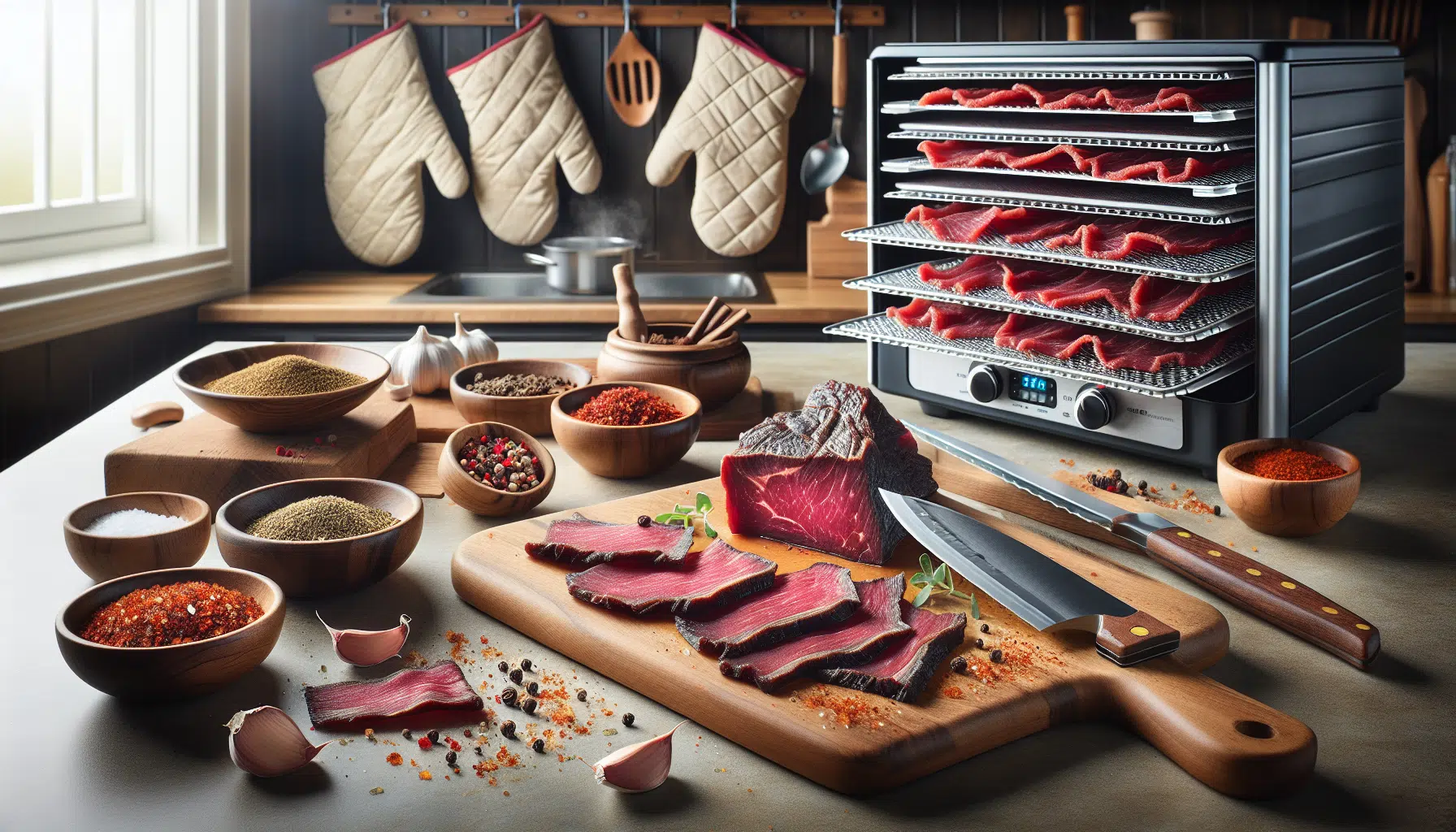
Understanding Beef Jerky and Its Origins
Before diving into the how-to, it’s important to understand what beef jerky is and where it came from.

Beef jerky is a type of dried, preserved meat that has been around for centuries. Originating from the Quechua word ‘ch’arki’, it was a method of meat preservation practiced by the Incas and other Native American tribes. Today, beef jerky is a popular snack enjoyed for its rich flavor and convenience.
Choosing the Right Cut of Beef for Jerky
When making beef jerky, selecting the appropriate cut is crucial for the best results.
The ideal cuts for jerky are lean with minimal fat, such as top round, bottom round, or flank steak. Excess fat can cause the jerky to spoil faster, so it’s important to trim off any fat before starting the drying process.
Preparing the Meat
Preparation is key to crafting perfect beef jerky. Begin by partially freezing the beef to make slicing easier.
After the beef is firm but not solidly frozen, slice it into thin strips, no thicker than 1/4 inch. Cutting the meat against the grain will result in a more tender jerky, while slicing with the grain will give a chewier texture.
Creating the Marinade
The marinade not only flavors the jerky but also helps tenderize the meat.
A simple marinade can consist of soy sauce, Worcestershire sauce, brown sugar, liquid smoke, and a variety of spices such as garlic powder, onion powder, black pepper, and red pepper flakes. For those interested in healthier options, coconut aminos can substitute soy sauce.

Once the marinade is mixed, submerge the meat strips fully, ensuring each piece is coated. Marinate in the refrigerator for a minimum of 4 hours, though overnight marination is often recommended for intense flavor.
Jerky Dehydrators and Oven Methods
When it comes to drying jerky, there are two main methods – using a dehydrator or an oven.
Dehydrators, such as the Excalibur Food Dehydrator, are designed specifically for drying foods and can yield consistent and efficient results. They come with multiple trays and temperature controls to ensure even drying. Reviews consistently praise the Excalibur for its reliability and ease of use when making jerky.
For those without a dehydrator, the oven is a viable alternative. Setting it to the lowest temperature, usually around 175 degrees Fahrenheit, and leaving the oven door slightly ajar to allow moisture to escape, can mimic a dehydrator’s environment.
Find This and More on Amazon
The Drying Process
The length of time to dehydrate jerky varies according to the thickness of the meat and the method used.
In a dehydrator, it can take about 4-6 hours for thin strips. In an oven, the process might be longer, and it’s vital to rotate the trays occasionally to promote even drying.

Whichever method you choose, it’s important that the jerky reaches an internal temperature of 160 degrees Fahrenheit to ensure that any harmful bacteria are eliminated.
Storing Homemade Beef Jerky
Proper storage is essential to maintaining the quality and safety of your beef jerky.
Once cooled, jerky should be stored in an airtight container. Some prefer to use vacuum-sealed bags, like those from FoodSaver, to extend the shelf-life of their jerky by removing any excess air. This, of course, is based on reviews that claim vacuum sealing can keep jerky fresh for several weeks, even months when stored in a cool, dark place.
Find This and More on Amazon
The Role of Meat Quality in Beef Jerky Taste
Meat quality substantially affects the taste of the final jerky product.
Grass-fed beef is often recommended by jerky enthusiasts due to its lean nature and richer flavor. Not only does the better diet of the cattle result in tastier beef, but it is also healthier for consumers, due to higher concentrations of essential fatty acids and vitamins.
Seasoning Variations and Personalization
Personalizing your jerky through seasoning is one of the most enjoyable parts of making jerky.
You might consider adding a personalized touch with unique ingredients such as honey, beer, maple syrup, or exotic spices. This can turn a basic beef jerky into a gourmet snack that reflects your taste preferences.

Addressing Common Homemade Jerky Concerns
Safety is a common concern when making homemade jerky.
To address safety, ensure that the marination process is done in the refrigerator to prevent bacterial growth, and always dry the jerky to a safe internal temperature. You might also like to know how deer biology can intersect with making game meat jerky, especially when considering the potential for game meats to carry bacteria.
Tips for Achieving the Perfect Texture
Creating jerky with the desired texture can be a fine art.
Over-drying can lead to jerky that is too tough and brittle, while under-drying can make it unsafe for consumption. It’s important to follow recommended drying times and temperatures closely and to bend a piece of jerky to test for doneness: It should crack but not break.
Homemade vs. Store-Bought Jerky
Understanding the advantages of homemade jerky over store-bought options can be enlightening.
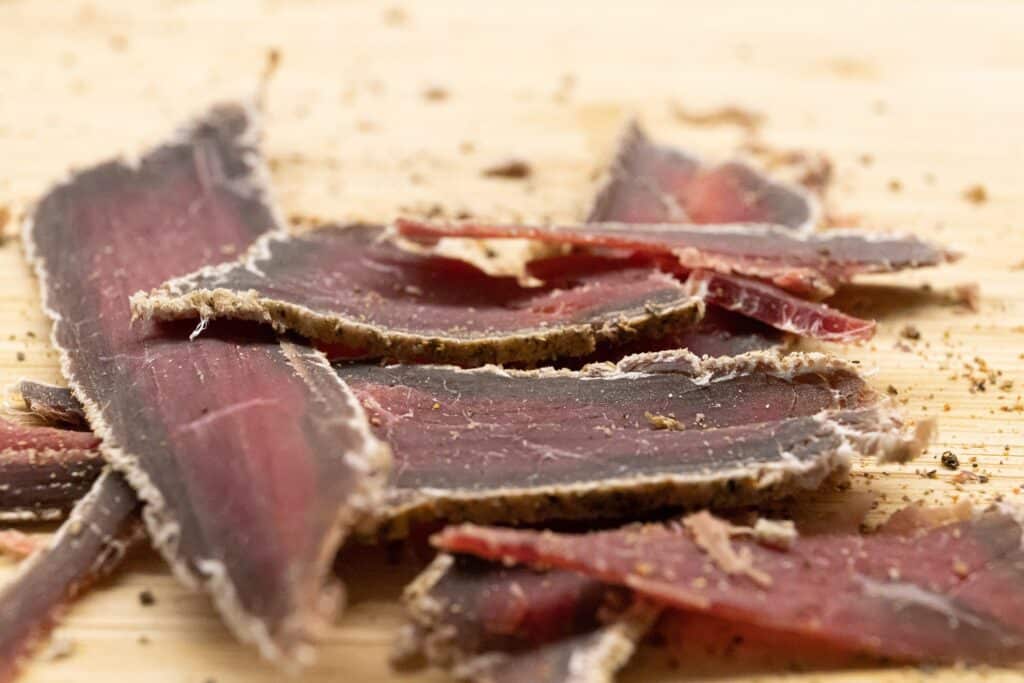
Homemade jerky eliminates additives and preservatives found in commercial brands, often leading to a fresher, healthier snack. Also, you have complete control over the ingredients, which is crucial for those with food sensitivities or those seeking organic options.
Pairing Beef Jerky with Other Snacks
Once you’ve made a batch of beef jerky, consider complementing it with other snacks.
Mixing beef jerky with nuts, seeds, and dried fruits can make a nutritious and satisfying trail mix, great for hikes or as an energy-boosting snack. If you spend time exploring different deer species, a homemade trail mix including your jerky can be the perfect companion.
Maximizing Flavor Without Overwhelming the Palate
Balancing the intensity of flavors is crucial to making enjoyable jerky.
A common mistake is to over-season or heavily marinade the meat, which can mask the natural flavors of the beef. Instead, aim for a balance that enhances rather than overpowers, allowing the meat’s quality and the subtle notes of the marinade to shine through.
Enjoying Jerky in a Balanced Diet
While delicious, beef jerky should be consumed in moderation within a balanced diet.
It’s a high-protein snack but can also be high in sodium. Balance your diet with plenty of vegetables, fruits, and whole grains to maintain healthy eating habits. And just as estimating the meat yield from a deer is important for hunters, so is understanding portion sizes for your jerky consumption.


DIY Beef Jerky Kits and Their Benefits
For beginners, a DIY beef jerky kit can be a good starting point.
These kits, like the Hi Mountain Jerky Cure and Seasoning Kit, come with pre-measured spices, cure, and detailed instructions. According to reviewers, these kits can simplify the jerky-making process while still allowing for customization. They appreciate the clearly labeled packets making the preparation process nearly foolproof.
Find This and More on Amazon
Advanced Techniques for Seasoned Jerky Makers
For those looking to elevate their jerky-making skills, there are advanced techniques to explore.
Experimenting with cold smoking adds a deep smoky flavor without cooking the meat, a method favored by some seasoned jerky makers. The careful application of smoke with a smoker, like the Traeger Pellet Grill, can add a whole new dimension to your jerky. Users often remark on the nuanced flavors achievable with different types of wood pellets.
Upcycling Leftover Jerky into New Recipes
There are creative ways to use any leftover jerky.
Dicing it up and adding it to soups, stews, or beans can infuse your dishes with a smoky, savory umami flavor. This not only reduces waste but also enhances the nutritional value and heartiness of meals.
Frequently Asked Questions
What is the best thickness to slice beef for jerky?
Ideally, you should aim for about 1/4 inch thickness. This allows the meat to dry evenly without becoming too tough or taking too long to dehydrate.
How long does beef jerky last?
Homemade beef jerky can last up to 1-2 months when stored properly in an airtight container in a cool, dark place. If vacuum sealed, it can last even longer.
Can you make jerky from other meats?
Absolutely. While beef is the most common, you can also make jerky from venison, turkey, bison, and even fish like salmon. The process remains similar, but you may wish to adjust the seasonings to better complement the different meats.
Is beef jerky gluten-free?
It can be, depending on the ingredients used. Soy sauce, a common component in many recipes, often contains gluten, but a gluten-free alternative or tamari can be used instead.
Can I make jerky without a dehydrator or oven?
For a more traditional approach, you can air-dry the jerky in a warm, dry area with good air circulation, though this method is less common and can take several days.
How do I know when the jerky is done?
Jerky is done when it bends and cracks but doesn’t break completely. It should not be moist or soft but rather leathery and chewy.
Is homemade beef jerky cheaper than store-bought?
Generally, yes. Though there is an initial investment in ingredients and possibly equipment, homemade jerky tends to be more cost-effective in the long run, especially when made in larger batches.
Can I use ground beef to make beef jerky?
Yes, ground beef can be used to make jerky using a jerky gun or forming thin patties. Ensure it is lean to avoid excessive fat, which does not dry well.
Are there any additives to avoid when making healthy beef jerky?
It’s best to avoid preservatives like sodium nitrite and MSG if you’re aiming for healthier jerky. Instead, focus on natural curing agents like celery juice powder and natural herbs and spices.
How can I ensure my homemade jerky is safe to eat?
Always use proper hygiene when handling raw meat, cure the meat as directed in your recipe or with a curing salt, and dehydrate the jerky to an internal temperature of 160 degrees Fahrenheit to kill any harmful bacteria.
Can homemade jerky be made in a smoker instead of a dehydrator or oven?
Yes, jerky can be made in a smoker, which imparts a smoky flavor and generally uses a similar process of low and slow drying at controlled temperatures.
Does the cut of beef affect the flavor of the jerky?
While the cut of beef may have subtle differences in flavor, it is primarily the fat content and the marinade that will affect your jerky’s taste.
Can I store my beef jerky at room temperature?
If properly dried and stored in an airtight container, beef jerky can be kept at room temperature. However, for longer shelf life, it’s recommended to store in a cool, dark place or even refrigerated.
What can I do with jerky that turned out too dry?
Overly dry jerky can be rehydrated by adding it to stews or soups, or you can munch on it as is if you enjoy a crunchier snack.
Exploring Flavor Profiles for Beef Jerky
The mark of a great jerky lies in its flavor profile. By creatively combining ingredients, you might develop a signature recipe that stands out.
For example, teriyaki jerky offers a savory-sweet combination, while a spicy chili marinade can cater to those who appreciate a fiery kick. If you have an adventurous palate, you might experiment with unusual ingredients like coffee or tequila to create unique flavor infusions that tantalize the taste buds.

Navigating Health Considerations with Jerky Making
When indulging in the pleasure of making beef jerky, it is crucial to be mindful of health considerations.
For those monitoring sodium intake, look for low-sodium variations of traditional marinade ingredients. If sugary marinades are a concern, use natural sweeteners like apple juice or stevia. It’s also advisable to choose organic, grass-fed beef whenever possible to avoid potential hormones and antibiotics found in some meat products.
Perfecting the Marination Process for Beef Jerky
Marination is as much science as it is art when it comes to jerky.
While it’s essential to allow enough time for the meat to absorb the flavors, over-marination can result in a texture that is too soft. Ideally, aim for a marination time between 8-24 hours for the best balance. Also, consider how you might like to explore how venison, similar to beef, can be used for jerky with a unique taste.
Utilizing Modern Tools and Technology in Jerky Making
Modern tools can significantly streamline the jerky-making process.
Using a meat slicer ensures uniform thickness, which helps in even drying. A vacuum sealer, like models offered by FoodSaver, can effectively extend the shelf life of your jerky. According to most reviews, these devices are indispensable for preserving freshness and preventing freezer burn, should you choose to freeze some of your batch.
When selecting a meat slicer, consider options like the Chef’sChoice 615A Electric Meat Slicer, known for its robust construction and precision slicing. This level of control over thickness can make a noticeable difference in the texture and consistency of your jerky.
Find This and More on Amazon
Understanding the Role of Temperature and Airflow in Jerky Making
Temperature and airflow play pivotal roles in the drying phase of making jerky.

An evenly heated environment with sufficient airflow ensures that the meat dries consistently, which is crucial for safety and quality. Tools like dehydrator fans or convection ovens promote better airflow, significantly enhancing the drying process.
Comparing Traditional Smoking vs. Dehydrating for Jerky
Smoke enthusiasts sometimes prefer the depth of flavor that smoking imparts on their jerky.
If you’re inclined towards smoking your jerky, the investment in a good quality smoker, like the Masterbuilt Electric Smoker, can be worth considering. Users often extol the Masterbuilt for maintaining consistent temperatures, which is essential to get that perfect smokiness imbued in every piece of jerky. On the other hand, a traditional dehydrator efficiently removes moisture without the smoke flavor, which may be preferable for cleaner-tasting jerky.
Find This and More on Amazon
Designing a Jerky-Specific Kitchen Space
Jerky lovers who frequently indulge in the craft might benefit from an organized jerky-making space.
Dedicating a portion of your kitchen or pantry to jerky-making supplies like spices, marinades, and curing salts can make the process more efficient. You may even consider special shelving or hooks to hang tools like meat slicers or a collection of marinating containers. Imagine how such a setup can facilitate your favorite hobby, just as a distinctive habitat is arranged for deer to thrive.
Exploring Nutritional Benefits and Dietary Uses for Beef Jerky
Beef jerky is not just a savory treat; it packs a punch with nutritional benefits when prepared thoughtfully.
Protein-rich and low in carbohydrates, beef jerky perfectly fits into many dietary regimens, including keto, paleo, and other low-carb plans. By making your own, you control the quality of ingredients, making it an even more appealing choice for health-conscious individuals.
Building a Community Around Jerky Making
Jerky making can be a communal activity that fosters relationships and learning.
Consider joining online forums or local cooking groups where you can share experiences, recipes, and troubleshooting tips. A communal spirit, akin to how hunters and outdoor enthusiasts share knowledge about different deer species, can bring extra joy and insight into your jerky-making endeavors.

Marketing Your Homemade Beef Jerky
If you’ve perfected your homemade beef jerky, you might consider turning your hobby into a business.
Local farmers’ markets, craft fairs, and online platforms offer opportunities to sell your artisanal jerky. Make sure to familiarize yourself with local regulations and food safety guidelines to ensure your product meets all necessary standards.
Navigating Food Safety Regulations for Selling Beef Jerky
Food safety is paramount when selling any food product, including beef jerky.
Before you start selling, consult with the local health department to understand the regulations. You might need to obtain permits, and your preparation space may need to be inspected. It’s important to have a sound plan for food handling to ensure the safety and quality of your jerky, just as wildlife management ensures the health of deer habitats.
Repurposing Jerky Ingredients for Other Culinary Creations
The spices, marinades, and techniques you’ve mastered for jerky can translate into other culinary areas.
Try using your jerky marinades for grilling meats or vegetables, or incorporate dried jerky spices into a rub for a unique flavor twist. The transfer of skills and flavors from jerky to other dishes can elevate your overall cooking repertoire.
Supporting Sustainable Beef Practices through Jerky Making
As a jerky maker, you have the power to support sustainable practices.

Choosing to source meat from local farmers who practice ethical animal rearing and land management can contribute to a more sustainable food system. Frequenting these sources not only benefits the environment but often results in higher quality meat for your jerky, echoing the importance of responsible wildlife management and biology.
Maximizing Enjoyment and Satisfaction from Homemade Jerky
The pride in creating a product from start to finish cannot be underestimated.
When you bite into a piece of jerky that you have seasoned, dried, and stored yourself, there is a sense of accomplishment that can’t be matched by store-bought alternatives. Indulge in the satisfaction of your craft and the shared joy it can bring to friends and family.