
How Big Are Moose Antlers?
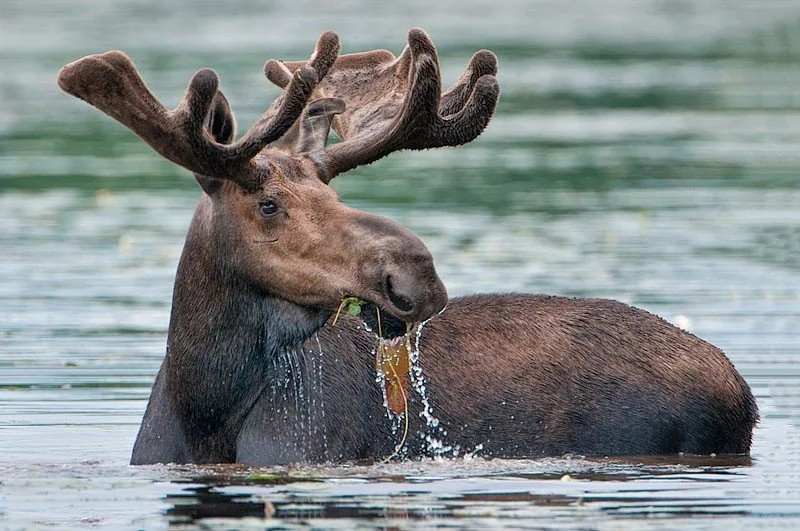
Moose grow the largest antlers of any living deer. A mature bull’s rack commonly spans 4 to 5 feet from tip to tip, and the

Moose grow the largest antlers of any living deer. A mature bull’s rack commonly spans 4 to 5 feet from tip to tip, and the
Caribou can run at speeds of up to about 50 miles per hour (80 km/h) in short bursts, making them one of the fastest deer
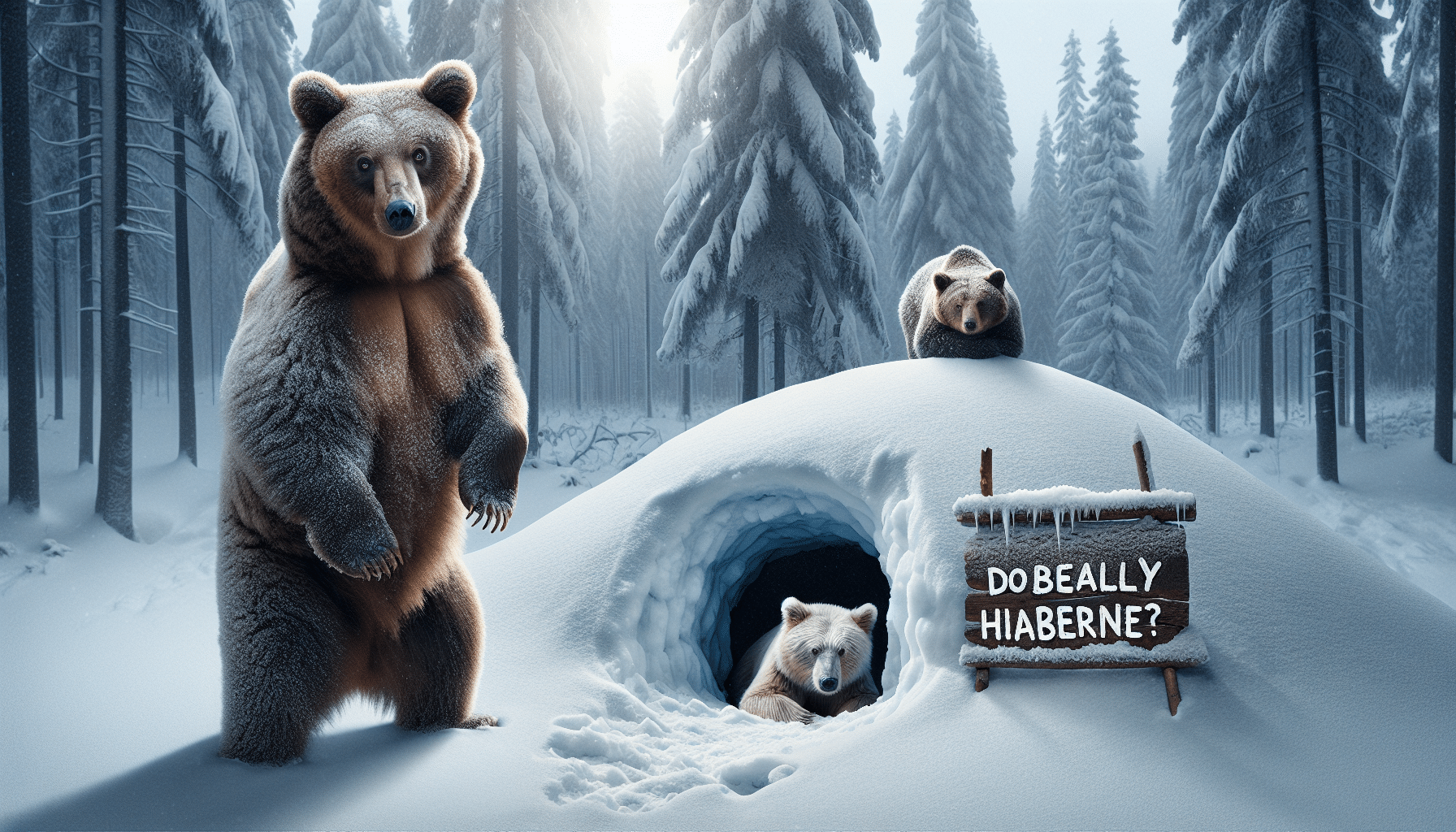
No — skunks do not truly hibernate. In cold climates they enter torpor: a lighter dormancy in which body temperature and metabolism drop modestly and

Yes — female reindeer grow antlers, and they are the only deer species in which females routinely do. Even more interesting: males typically shed their
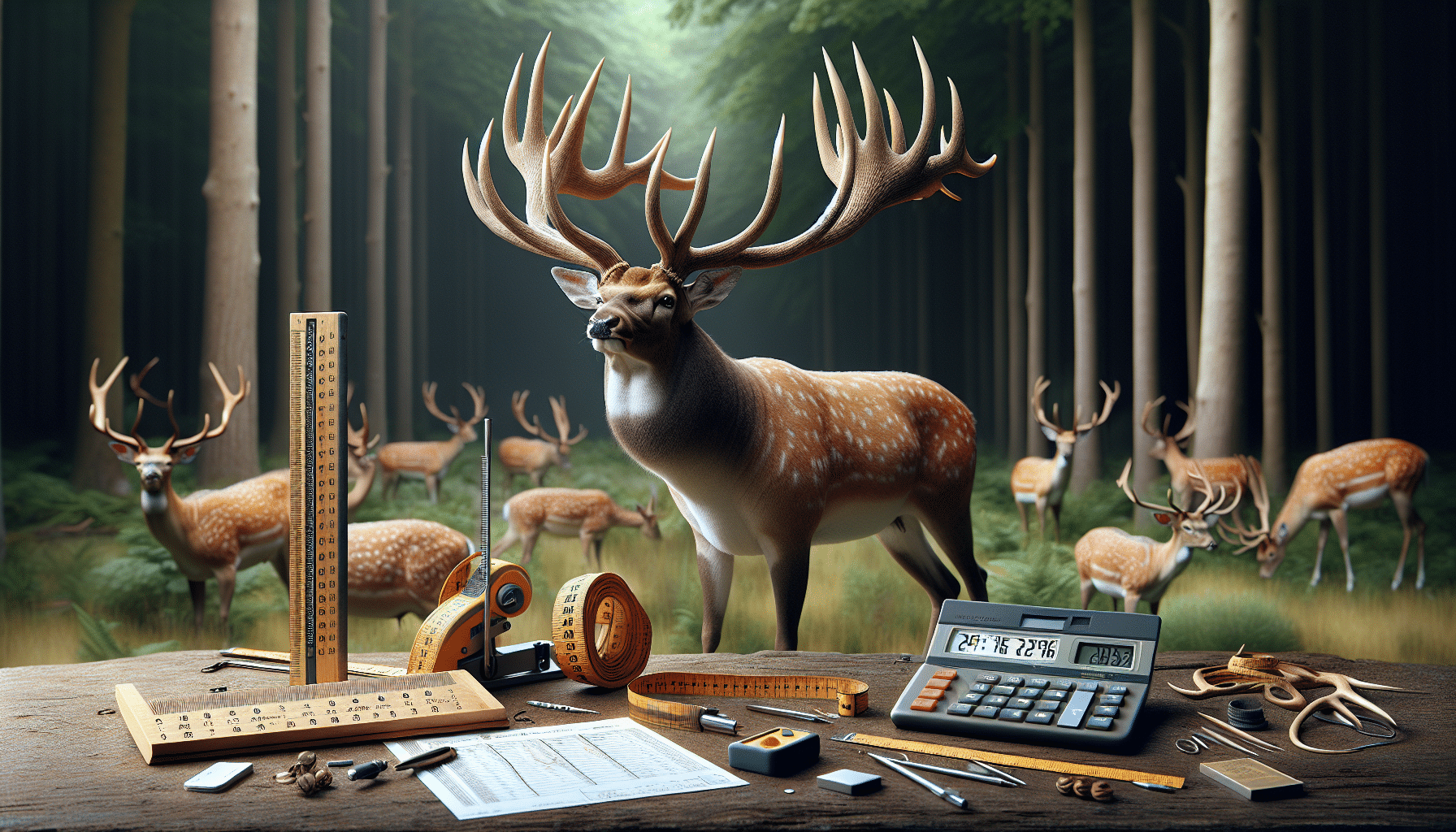
Yes, deer are social animals, and most of the deer you see are traveling in groups. For white-tailed deer, the most common arrangement is a

The snowshoe hare (Lepus americanus) is the boreal forest’s shape-shifter: a two-to-four-pound hare with enormous, fur-soled hind feet that work like snowshoes, and a coat
Biologically, hearing an owl means something specific and rather good: a healthy predator is claiming territory or courting a mate close to you, which in

The giant panda (Ailuropoda melanoleuca) is a true bear — the eighth and most specialized member of the bear family — found only in the

Wild turkeys sleep in trees. Every night, shortly before dark, a flock flies up 20 to 60 feet into the limbs of large, mature trees

Owls can rotate their heads about 270 degrees in either direction — three-quarters of a full circle — without moving their bodies and without cutting
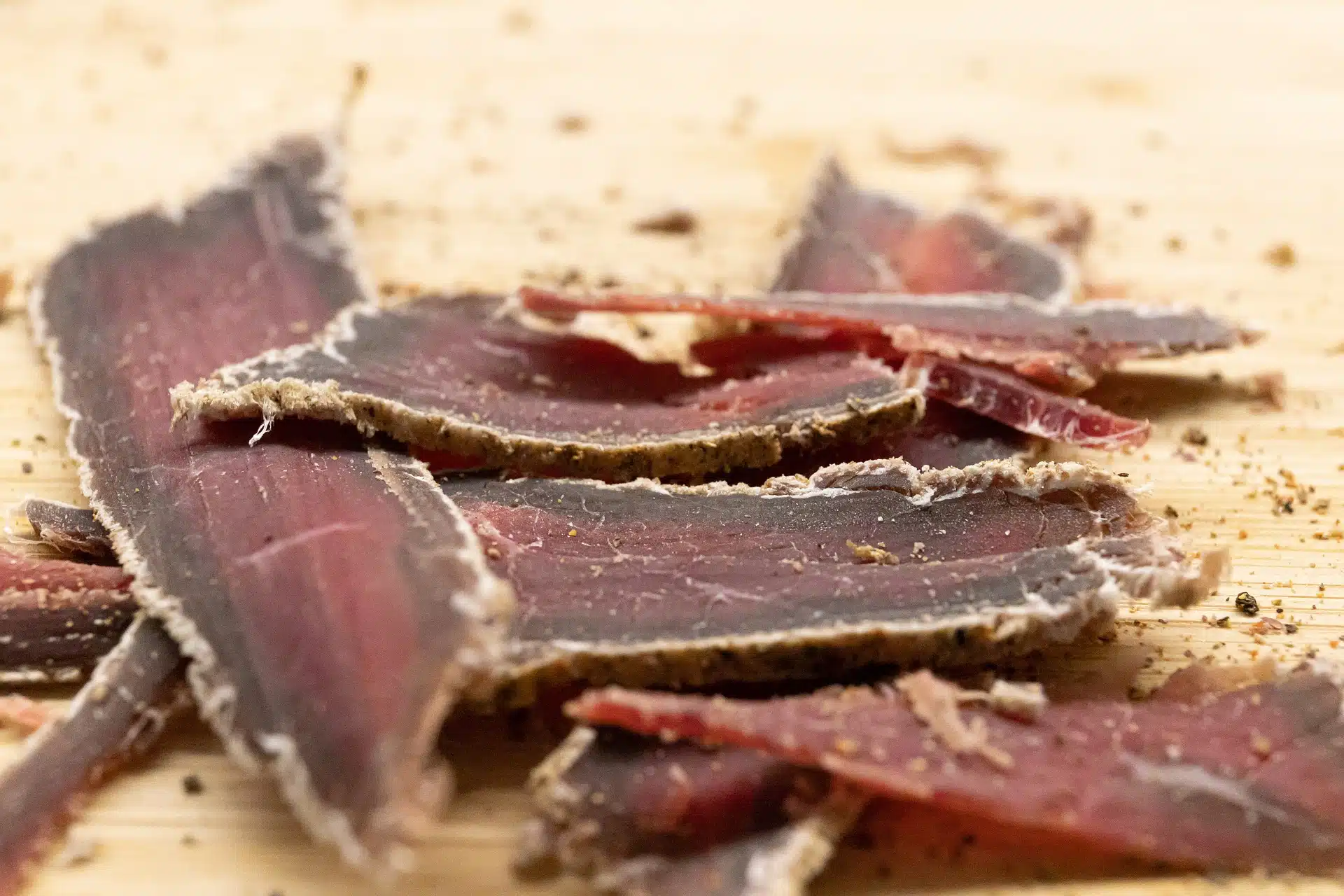
The rule for storing food in bear country is simple: nothing with a scent ever stays in your tent, your pack, or the open —
Most owls do not migrate. The typical owl is a year-round resident that holds the same territory through summer heat and winter snow, because intimate

The great horned owl (Bubo virginianus) is North America’s most widespread and formidable owl — a two-to-five-pound predator with a four-foot wingspan, feathered “horns” that

The most effective humane way to get rid of moles is to make your lawn a worse restaurant: cut back on watering so earthworms retreat

Yes — bears can climb trees, and black bears in particular are astonishingly good at it. A black bear’s short, curved claws work like climbing
Owls live on every continent except Antarctica, in nearly every habitat that supports prey — forests, deserts, grasslands, tundra, farmland, and city parks. What they

Moles and voles are completely different animals causing completely different damage. A mole is an insect-eater that tunnels underground after earthworms and grubs, leaving raised
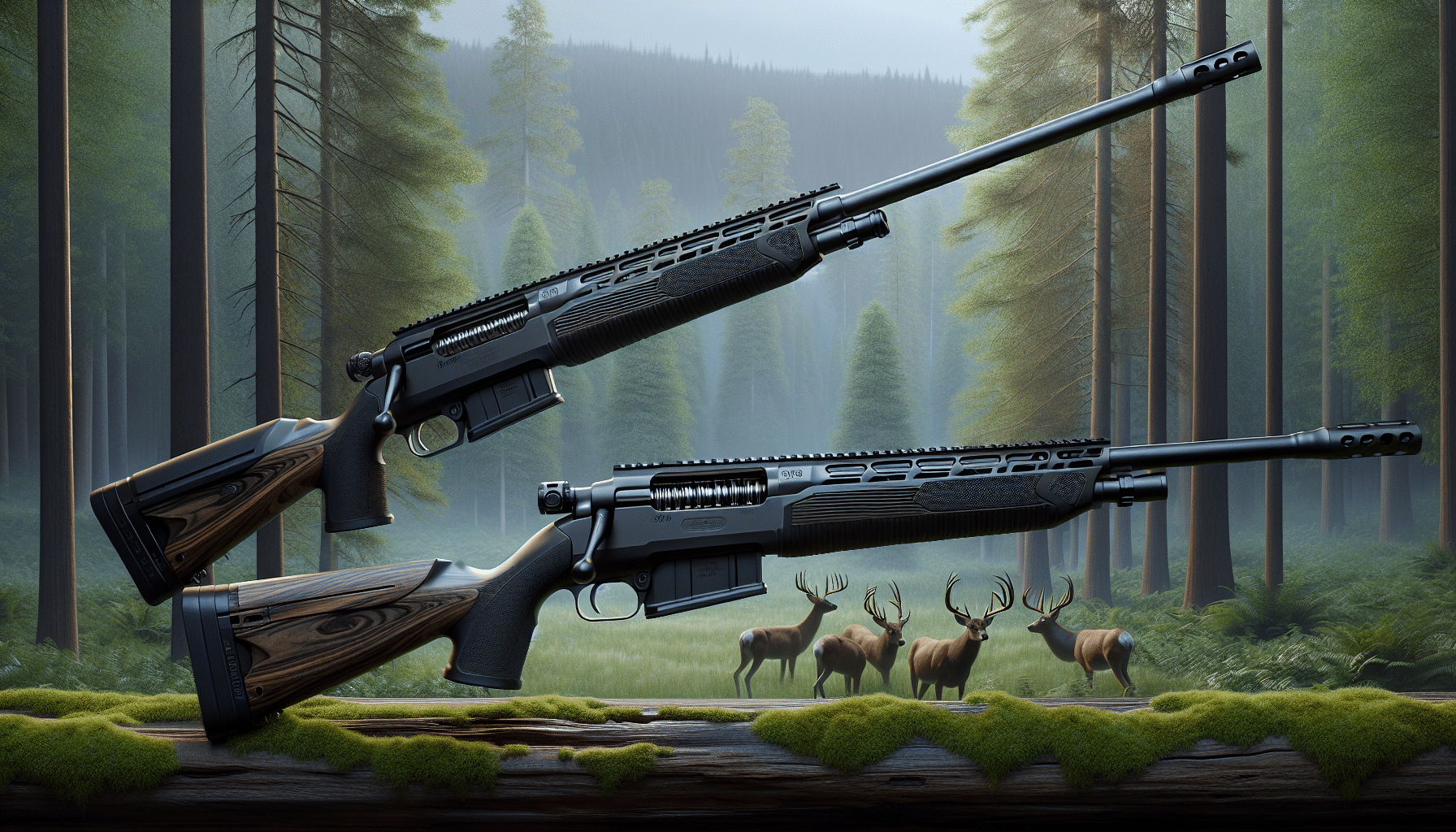
The most reliable way to tell a black bear from a grizzly is not color or size — it’s shape. A grizzly has a prominent
Owls are strict carnivores. Every owl species lives entirely on animal prey — most commonly small mammals like voles, mice, shrews, and rats, along with
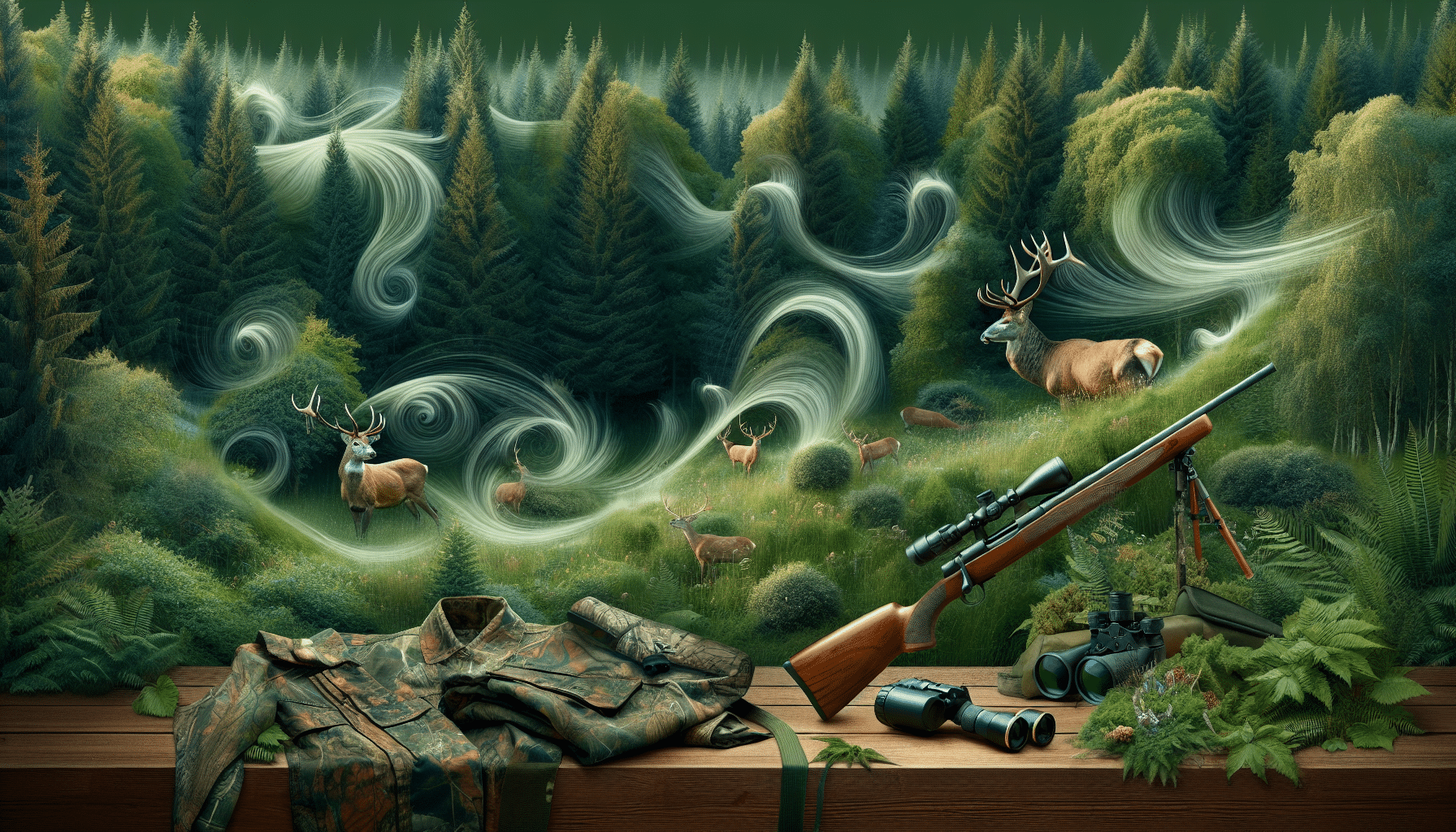
To donate venison, take your legally tagged, field-dressed deer to a processor participating in a venison donation program — most states have one, often under
Updated on September 7, 2026. This is a hunter how-to, not a diagnosis. Confirm drop-off sites, mandatory units, and carcass rules on your state wildlife
If a wounded deer crosses onto property you don’t have permission to enter: stop at the line. In most states, a hunting license and a
Fair chase is the principle that a hunter pursues free-ranging wild game in a way that gives the animal a genuine chance to evade, taking
A hunter education course is a state-approved class — typically completed either fully online, or as online coursework plus an in-person field day, or as