A serene snowy landscape where a pack of charcoal black and smoky grey wolves can be seen. The dominant wolf, standing on a slightly elevated snow mound, bravely faces the gusty wind, its mouth open as if howling. This could suggest the communication method of howling. Another wolf, a short distance away, is crouched low to the ground, ears pricked, gazing intently at its fellow pack member, signifying attentive listening. Light snow is falling, and behind, in the twilight, icy-blue mountains spread across the horizon, void of any human presence, text or brand names.

How Do Wolves Communicate?

Introduction to Wolf Communication Wolves are fascinating creatures known for their complex social structures and behaviors. One of the most intriguing aspects of wolf life

A map of the United States and dots or icons representing the presence of wolves in certain areas.

What States Have Wolves?

Introduction: Where Can Wolves Be Found in the United States? Wolves are incredible creatures that have fascinated humans for centuries. They are not only important

Illustrate a diverse collection of habitats where wolves are known to reside. These include a dense, snow-covered forest revealing signs of wolf activity, a sweeping mountain range suggesting the distant presence of a wolf pack, and an open tundra with fresh wolf paw prints in the frozen ground. Overlay this with imagery of a full moon behind the clouds to tie into the wolf's nocturnal nature. Ensure that there are no human structures, symbols, or logos present anywhere. The image should convey the wolf's natural environment and lifestyle absent of human interference.

Where Do Wolves Live?

Introduction to Wolf Habitats Wolves are fascinating creatures that have captivated human interest for centuries. Understanding where wolves live can provide valuable insights into their

Illustrate the evolutionary journey of wolves into dogs without text. The scene should start on the left side with a wild, beautiful wolf in a dense forest under the silver moonlight. As we move towards the right of the frame, the forest starts to gradually merge into an early human settlement showing huts and fire pits. The wolf on the left progressively changes, displaying stages of domestication: the wolf morphs into a more domesticated creature resembling our modern dogs. On the right, the scene concludes with a warm, inviting household with the final image of a loyal, obedient dog.

How Did Wolves Become Dogs?

Introduction to the Domestication of Wolves Wolves, the wild ancestors of modern-day dogs, have captivate human imagination for centuries. One of the most fascinating questions

A forest landscape scene showcasing a striking contrast between static and dynamic realms of nature. It features a pack of vigorous and lean wolves executing their iconic gallop, their muscular bodies skillfully negotiate the terrain. Illustrate the grey wolves against the stretching expanse of an Arctic tundra, their fur ruffled by gusty winds to hint at their speed. Snowflakes dot the scene, suspended in space as if frozen in time. Include coniferous trees in the background, standing resilient and unmoved to underline the vitality of the running wolves. Ensure the scene is devoid of any human intervention, text, brand names or logos.

How Fast Can Wolves Run?

How Fast Can Wolves Run? Wolves are fascinating creatures, known for their extraordinary speed and endurance. But **how fast can wolves run**? The answer is

A captivating natural scene revealing the ecological impact of wolves on rivers. In one part of the image, a group of wolves are hunting for a prey in the dense forest. The presence of wolves has indirectly led to increased vegetation growth, providing a green, thriving scenery. This has in turn stabilized the riverbanks reducing erosion. The river flowing through this landscape is narrow, twisting and clean, with small sections of rapids. There are no humans or other signs of civilization, and no text or brand names to distract from the pure wilderness theme.

How Wolves Change Rivers

The Impact of Wolves on River Ecosystems People might wonder how wolves, a terrestrial predator, could possibly change rivers. The answer lies in their remarkable
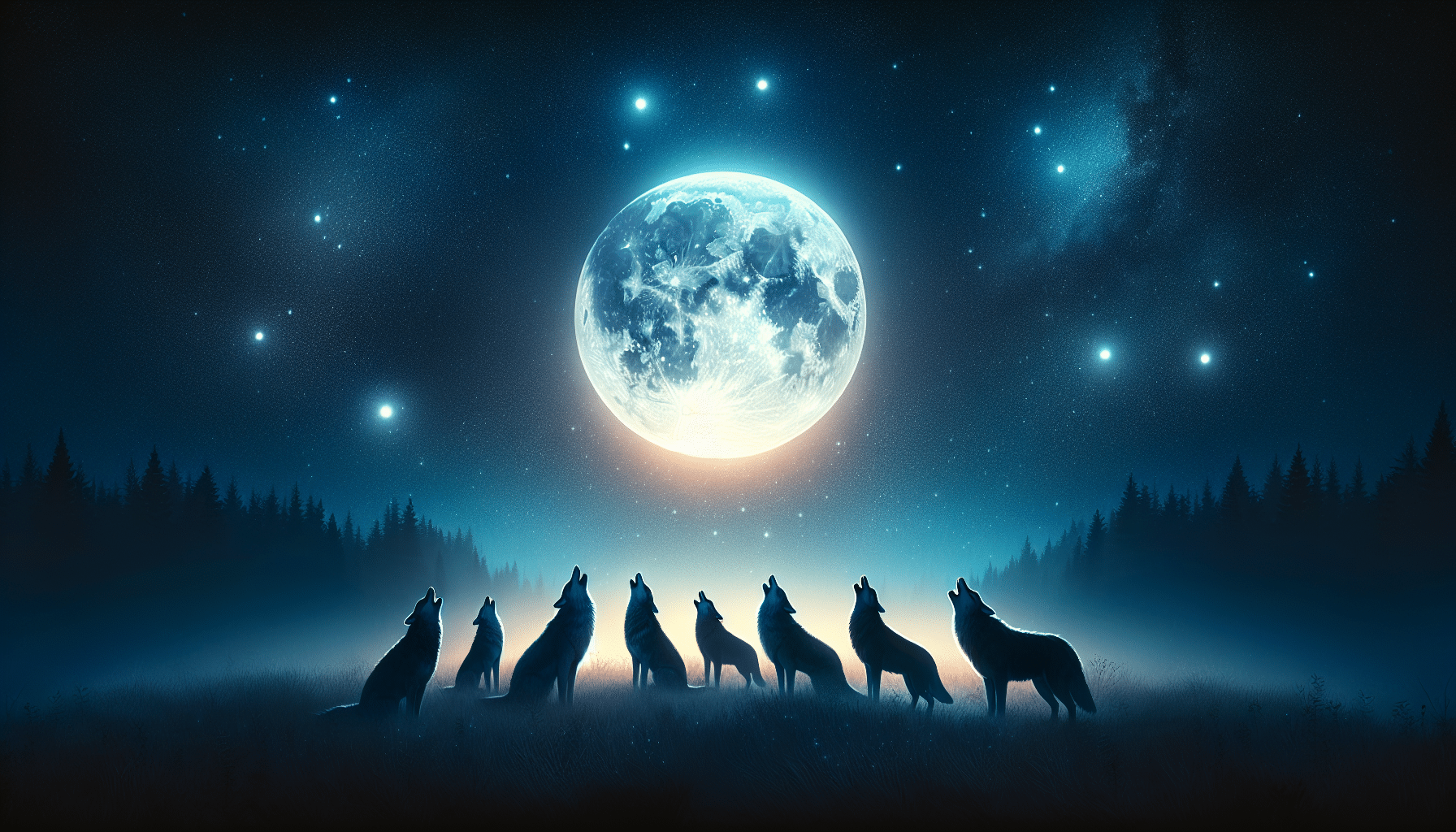
A night sky is depicted with a vibrant full moon nestled amongst the stars. A pack of wolves is captured in an open field, silhouetted against the light of the moon. They are howling, their mouths opened wide, their heads tilted towards the ethereal light of the moon, embodying the mystery surrounding their behavior. There are no humans or brands evident in the scene. The wilderness is tranquil, and the atmosphere is filled with the eerie yet captivating echo of the wolves' howling, a reverberation telling a tale as old as time itself.

Why Do Wolves Howl at the Moon?

Why Do Wolves Howl? Wolves howl for a variety of reasons and it’s important to understand that howling is a key aspect of wolf communication.

Image of a scenic North American woodland at twilight. Five red wolves are visible, spread throughout the picture – one is playfully chasing its tail, another is lying down, while the others are gazing off into the distance. The moon is visible in the twilight sky, casting a silvery shine over the fauna.

How Many Red Wolves Are Left?

How Many Red Wolves Are Left? The exact number of red wolves left in the wild is critically low, with estimates suggesting fewer than 20

A picturesque natural wilderness under a serene blue sky during the sunset. In the distance, a pack of healthy-looking wolves, embodying different stages of their life - pups frolicking around, juveniles exploring and adult wolves keeping an alert watch over the activities. A strong, seasoned wolf stands a little apart, its wise gaze looking into the horizon, representing the longevity of wolves in the wild. The foreground is adorned with wildflowers and traces of paw prints leading into the deep woods, indicating wolves thriving in their natural habitat.

How Long Do Wolves Live in the Wild?

How Long Do Wolves Live in the Wild? Wolves, being apex predators, have always fascinated humans with their complex social structure and cunning hunting strategies.

A natural setting, enveloped by lush forests which transitions into rocky outcrops. An imposing brown bear, known for its status as a natural predator of the wolf, stealthily roams around. In the sky above, a golden eagle, another adversary of wolf pups, soars majestically. These two creatures are part of the few who play a role in the predator-prey cycle of wolves. Create this scene at the break of dawn, the sun casting long, soft rays across the landscape, lending an ethereal quality to the image. Make sure there are no text, people, brand names, or logos present.

What Eats Wolves?

Introduction: Who or What Eats Wolves? Wolves are apex predators, top of the food chain, which means they have very few natural predators in the

A visual representation showcasing the size of a wolf. The image should have a life-sized wolf standing erect in its natural forest habitat, surrounded by typical flora. To give a sense of scale, compare the wolf's height with various objects such as a 6-foot long wooden ruler, an average sized tree, and a large rock. The texture, color, and details of the wolf should be realistic and the overall scene should depict a tranquil day with clear, blue skies. All objects should be generic without any brand names or logos. The image should not include any human or text.

How Big Are Wolves?

Introduction to Wolf Sizes Understanding how big wolves are is a fascinating topic that delves into the diversity of these magnificent creatures. Wolves are renowned

An atmospheric image of an expansive, tranquil forest during twilight, with a wolf cautiously peering out from the undergrowth. Looming in the background is a large 'Endangered Species' sign. Be sure to exclude any human presence, brand names, or any form of text implied visually or conceptually within the image.

Are Wolves Endangered?

Introduction to the Endangered Status of Wolves Wolves have long captivated the imaginations of people worldwide with their majestic, elusive nature. However, the question remains

An educational illustration that depicts the diet of a wolf in a natural forest setting. Show the wolves hunting different animals such as elks, bison, and smaller prey like rabbits or squirrels. Also, show evidence of other food sources such as berries and vegetation subtly scattered around the scene to demonstrate their omnivorous diet. Include details such as fur markings and sharp claws to instill the idea of wolves being skilled predators. No humans, text, brand names, or logos are present in the image.

What Do Wolves Eat?

What Wolves Eat Wolves eat a variety of foods based on their availability and habitat. They are carnivorous animals with a preference for large ungulates,

A serene and captivating scene featuring a mature, healthy wolf residing in a secure, well-maintained wildlife sanctuary. The wolf lingers by a clear pond, drinking from the water, while surrounded by lush forest. Wildlife caretakers' tools are nearby; a carefully composed meal set out but not branded, and a non-texted information plate. No humans are in the scene, and there's also no presence of text or logos anywhere in the image.

How Long Do Wolves Live in Captivity?

Understanding Wolf Lifespan in Captivity Wolves, majestic and enigmatic creatures of the wild, have long captured the human imagination. In the wild, wolves face numerous

Visual representation of a pack of wolves in a dense forest under the soft glow of a full moon. The alpha wolf stands on a rocky ledge with its head raised skyward emitting a powerful howl. The other members of the pack join in, creating a beautiful symphony of howls resonating through the tranquil forest. The image captures the mysterious and hauntingly beautiful atmosphere associated with wolves realising packs communicating in their natural habitat. There are no people present in the scene, and it's devoid of any textual content or brand-specific elements.

Why Do Wolves Howl?

Introduction to Wolf Howling Wolves are fascinating creatures, known for their complex behaviors and social structures. One of the most intriguing behaviors is their characteristic

Illustrate an image of a wolf family in their natural habitat with emphasis on the pups. Set the scene in the heart of a dense, verdant forest, dappled with patches of sunlight. The adult wolves with their distinct gray fur and piercing yellow eyes, should be circling protectively around their offspring. Numerous roly-poly wolf pups with fluffy coats, about six in number, are frolicking and play-fighting, the innocence of youth clear in their actions. Ensure no text or human elements are visible and there are no hints of any commercial brand. The image should be rich in natural colors, emphasizing the vibrancy of the wilderness.

How Many Pups Do Wolves Have?

How Many Pups Do Wolves Have? The number of pups that wolves have in a single litter varies, but typically ranges from four to six

Visualize a scene with a well-detailed Canis dirus, more commonly known as the Dire Wolf. Imagine a wild, open environment that reflects the habitat these prehistoric creatures would have once roamed. Capture the majesty and power of the creature in its natural environment such as expansive plains or dense forests. Ensure that no people or man-made objects like brand logos are included in the image. Also, avoid including any form of text within the image or on any items.

Dire Wolf (Canis dirus)

Introduction The dire wolf (Canis dirus) is one of the most iconic prehistoric predators, popularized by numerous books and TV shows such as Game of