A typical scene from a forest with a pack of wolves. Three wolves are clearly visible, one wolf is feasting on some fish near the edge of a stream, another wolf is gnawing on a carcass of deer with some meat and bones visible, the third wolf is chasing a rabbit in the distance. The surrounding reveals a thick forest with variety of trees, plants, fallen foliage and mushrooms. There is also a clear blue sky peeping through the hefty green canopy of trees. No human interactions, brand names or logos are included in the scene.

What Do Wolves Eat in the Wild?

What Do Wolves Eat in the Wild? Wolves are fascinating and complex predators with a diverse diet that varies greatly depending on their habitat, the

An image showcasing the symbolism of wolves: Two majestic wolves, one black and one white, stand on opposing cliffs under a starlit sky. The black wolf looks out towards a dense, dark forest symbolizing mystery, bravery, and survival instinct. The white wolf gazes at an open, snowy expanse, epitomizing purity, wisdom, and strong family bonds. An aurora borealis dances in the sky above them, the colors reflecting in their eyes, hinting at an enigmatic, spiritual connection with the universe.

What Do Wolves Symbolize?

Introduction to Wolf Symbolism Wolves have long captivated human imagination, embodying a range of polarizing symbols. They are often depicted as cunning predators, loyal family

Visualize a vivid image emphasizing the natural beauty of the Green Bush Squirrel (Paraxerus poensis). The squirrel is energetic and agile, perched on a thick branch, grasping for nuts amidst the lush, verdant foliage. The squirrel possesses a distinct rich green hue in sharp contrast with its bushy chestnut tail. The background encapsulates a serene forest landscape, having a variety of tropical plants but void of any human presence, textual content or branding elements.

Green Bush Squirrel (Paraxerus poensis)

Introduction to the Green Bush Squirrel (Paraxerus poensis) The **Green Bush Squirrel (Paraxerus poensis)** is a fascinating creature that inhabits the lush forests of Africa.

A serene and wild natural landscape with dense pine trees. At the heart of the scene, a pack of majestic grey wolves are playing, showcasing their social structure and instincts. The wolves are interacting with each other, some are playing, some are hunting small animals, displaying their natural behavior. Use this setting to symbolize the theme of 'Wolves as Pets,' subtly invoking the understanding that wolves belong to the wild and not domestic environments. There should be no presence of humans, text, logos or any sort of branding.

Do Wolves Make Good Pets?

Can Wolves Be Domestic Pets? The simple answer is no, wolves are not suitable as pets. While it might be appealing to many to own

A detailed and vivid illustration displaying a natural ecosystem that indicates the food chain involving wolves. It showcases various larger animals that could potentially prey on wolves, like grizzly bears and big cats. Subtle visual cues, like claw marks or footprints, could indicate the predator's presence. Provide a broad environment with elements like dense forests, streaming rivers, rugged mountains, all indicating the wild and perilous life of wolves. All animal to be fairly realistic and accurate in depiction, but abstract enough to fail to identify a particular brand or species-specific characteristics.

What Animals Eat Wolves?

What Animals Eat Wolves? The question of what animals eat wolves is intriguing, as wolves are apex predators themselves. The primary answer is that wolves

Illustrate a perspective rendering of a dire wolf standing next to regular objects for size comparison. The objects should be commonly recognizable items, like a full-grown pine tree, a mountain bike, and a telephone booth. Make sure to depict the dire wolf in a natural setting, perhaps at the edge of a forest, to further give the viewer an understanding of its size. Ensure no human figures, text, or brand logos are included in the illustration. The environment should be realistic and make sure lighting conditions indicate a clear daytime setting.

How Big Were Dire Wolves?

Introduction to Dire Wolves Dire wolves were one of the most iconic predators of the Pleistocene epoch. Known scientifically as Canis dirus, they roamed North

An educative scene illustrating the size comparison between wolves and an invisible human average height. This setup includes a realistic full-grown gray wolf, in a profile view, vertically aligned in front of a scale marked in feet and inches. Beside it, a translucent ghost-like human shape to indicate average human height without showing the actual person. Colors should be natural and scene set in a broad daylight environment. Make sure no text or logos are visible in the image.

How Big Are Wolves Compared to Humans?

Introduction: How Big Are Wolves Compared to Humans? When you think of wolves, you might imagine a majestic and somewhat intimidating predator roaming the wilderness.

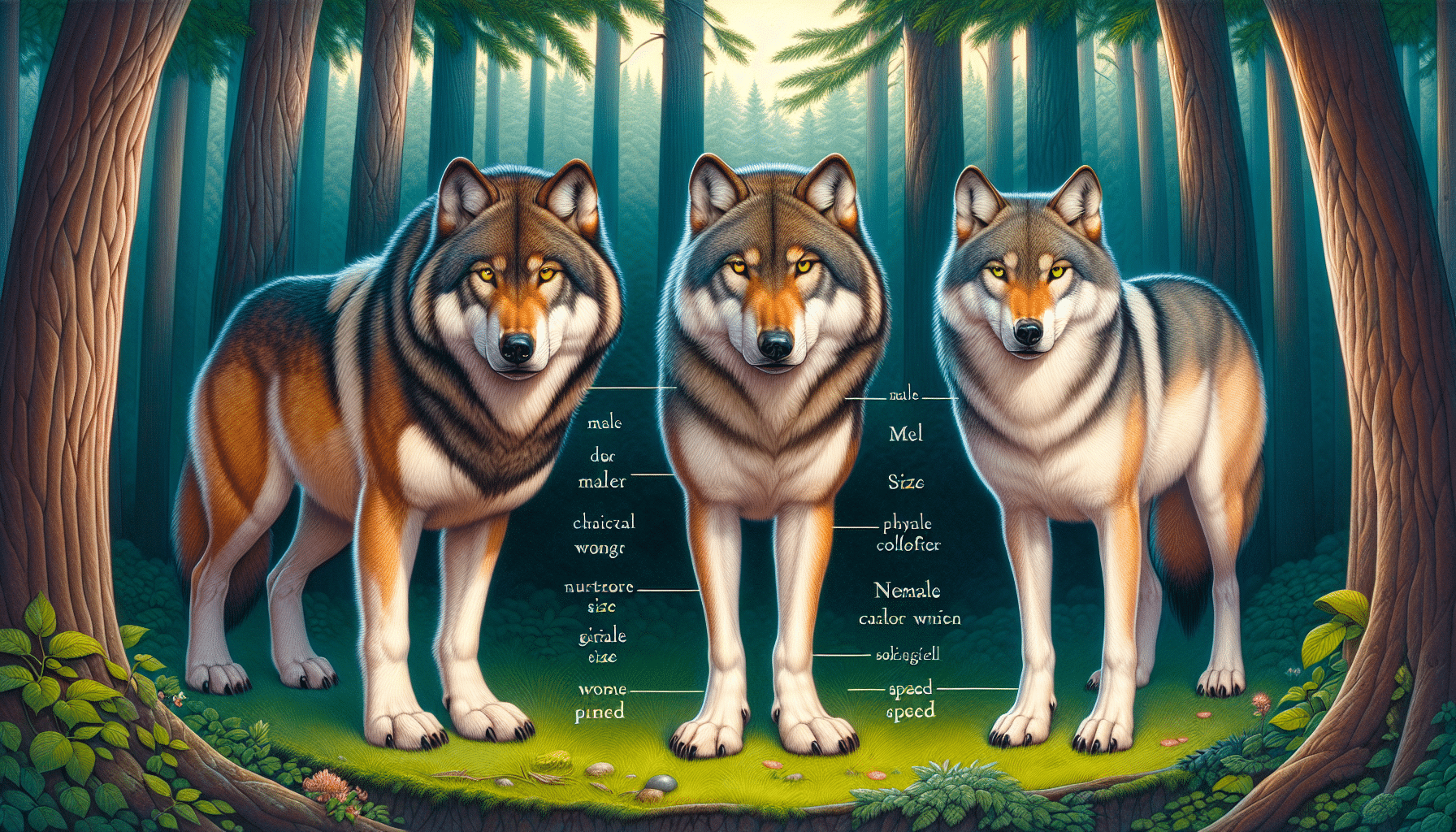
Picture the wilderness at twilight, trees standing tall in the background under the twilight's soft glow. In the foreground, you see two wolves, starkly standing out. One is slightly larger, probably a male and the other a bit smaller, possibly a female. They look healthy and robust, each possessing a dense coat with shades of gray, white, and brown. Their piercing eyes shine with curiosity and intelligence while they stand alert, with lean muscles hinting at their strength. They embody the true weight and majesty of the wolf species, without any human or artificial interference.

How Much Do Wolves Weigh?

How Much Do Wolves Weigh: An Overview When discussing wolves, one of the common questions people have is, “How much do wolves weigh?”. Generally, wolves

A serene late-night spectacle featuring a vibrant scene centered around a couple of majestic wolves. These animals are framed by a mystical night sky filled with shining stars, radiant, soft moonlight, and wisps of ethereal northern lights. In the foreground, one wolf is howling towards the sky, invoking spiritual symbolism, while the other wolf intently gazes towards the scenic view, representing introspection. Ancient spiritual symbols discretely integrated into the scenery, perhaps etched into rocks, add to the theme without explicitly including text. Keep the setting devoid of all human presence, brand names, and logos.

What Do Wolves Represent Spiritually?

Introduction: What Do Wolves Represent Spiritually? Wolves have long held a significant place in human culture, mythology, and spirituality. Their representation varies across different cultures

An enchanting Arctic landscape highlighting the uncanny resemblance between Siberian Huskies and wolves. There's a couple of huskies with their thick coats of white and grey fur in the foreground, looking majestic with their blue eyes and alert ears. Nearby, a couple of wolves, equally as mesmerizing, stand with their muzzles pointed skyward. This image reflects the beauty of the natural environment where these creatures commonly reside and subtly accentuates their similar physical characteristics.

Why Do Huskies Look Like Wolves?

Introduction Huskies, with their striking blue eyes, thick fur coats, and striking resemblance to wolves, have long fascinated dog lovers and breeders alike. But what

An image capturing the natural behavior of wolves in a serene forest environment. Two wolves are visible, one male and one female, with an evident connection between them. They are standing close together in a bonding behavior, showcasing the candid and raw moment in the animal kingdom. The environment around them is filled with towering trees, a clear stream flowing nearby, and a carpet of green foliage on the forest floor, enhancing the sense of wilderness but doesn't contain any human-made objects, brands or text. The atmosphere is peaceful and somehow romantic.

How Do Wolves Mate?

Introduction to Wolf Mating Behavior If you’ve ever wondered about how wolves mate, you’re not alone. **Wolves form monogamous pairs often lasting a lifetime.** This

An illustrative image showcasing the predators of wolves. The conceptually represented predators could be large bears, other pack of wolves, humans abstracted as symbols of danger (like hunting traps or a forest being cleared), and sickness represented as an ominous cloud looming. Ensure a visually stimulating depiction with the focus predominantly on the natural environment, with large, looming trees and rugged terrain. This scene is set in a vast wilderness landscape, devoid of any human presence, with no text or brand logos visible anywhere.

What Are Wolves’ Predators?

What Are Wolves’ Predators? Wolves are apex predators, meaning they sit at the top of the food chain in their respective ecosystems. However, despite their

A serene snowy landscape where a pack of charcoal black and smoky grey wolves can be seen. The dominant wolf, standing on a slightly elevated snow mound, bravely faces the gusty wind, its mouth open as if howling. This could suggest the communication method of howling. Another wolf, a short distance away, is crouched low to the ground, ears pricked, gazing intently at its fellow pack member, signifying attentive listening. Light snow is falling, and behind, in the twilight, icy-blue mountains spread across the horizon, void of any human presence, text or brand names.

How Do Wolves Communicate?

Introduction to Wolf Communication Wolves are fascinating creatures known for their complex social structures and behaviors. One of the most intriguing aspects of wolf life

A map of the United States and dots or icons representing the presence of wolves in certain areas.

What States Have Wolves?

Introduction: Where Can Wolves Be Found in the United States? Wolves are incredible creatures that have fascinated humans for centuries. They are not only important

Illustrate a diverse collection of habitats where wolves are known to reside. These include a dense, snow-covered forest revealing signs of wolf activity, a sweeping mountain range suggesting the distant presence of a wolf pack, and an open tundra with fresh wolf paw prints in the frozen ground. Overlay this with imagery of a full moon behind the clouds to tie into the wolf's nocturnal nature. Ensure that there are no human structures, symbols, or logos present anywhere. The image should convey the wolf's natural environment and lifestyle absent of human interference.

Where Do Wolves Live?

Introduction to Wolf Habitats Wolves are fascinating creatures that have captivated human interest for centuries. Understanding where wolves live can provide valuable insights into their

Illustrate the evolutionary journey of wolves into dogs without text. The scene should start on the left side with a wild, beautiful wolf in a dense forest under the silver moonlight. As we move towards the right of the frame, the forest starts to gradually merge into an early human settlement showing huts and fire pits. The wolf on the left progressively changes, displaying stages of domestication: the wolf morphs into a more domesticated creature resembling our modern dogs. On the right, the scene concludes with a warm, inviting household with the final image of a loyal, obedient dog.

How Did Wolves Become Dogs?

Introduction to the Domestication of Wolves Wolves, the wild ancestors of modern-day dogs, have captivate human imagination for centuries. One of the most fascinating questions

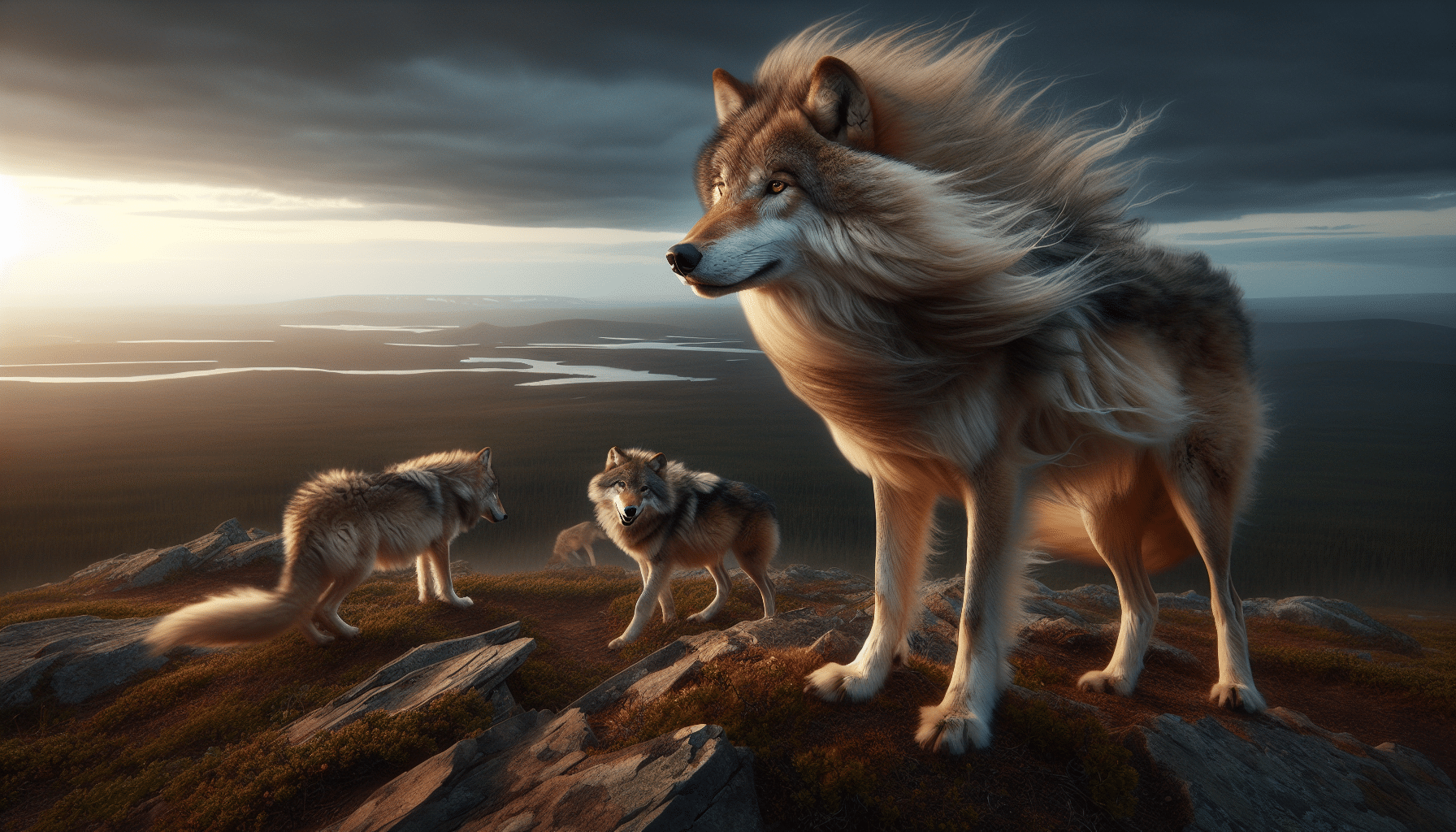
A forest landscape scene showcasing a striking contrast between static and dynamic realms of nature. It features a pack of vigorous and lean wolves executing their iconic gallop, their muscular bodies skillfully negotiate the terrain. Illustrate the grey wolves against the stretching expanse of an Arctic tundra, their fur ruffled by gusty winds to hint at their speed. Snowflakes dot the scene, suspended in space as if frozen in time. Include coniferous trees in the background, standing resilient and unmoved to underline the vitality of the running wolves. Ensure the scene is devoid of any human intervention, text, brand names or logos.

How Fast Can Wolves Run?

How Fast Can Wolves Run? Wolves are fascinating creatures, known for their extraordinary speed and endurance. But **how fast can wolves run**? The answer is