Illustrate a representative environment where badgers are commonly found. Conjure up a detailed image of a forested landscape during sunrise, with a characteristic badger sett visible amidst the lush green foliage. No human figures, brand logos, or textual content should be included in this scenario. The image should serve as a visual explanation of a badger's typical habitat without explicitly mentioning the title of the article.

Where Do Badgers Live?

The Global Habitat of Badgers Let me tell you something—the world of badgers is honestly pretty awesome. These pint-sized digging machines can thrive in some

A vivid depiction of a typical European badger in the wild, enjoying its feast in dusk. This particular nocturnal animal is engrossed in foraging for food. In front of the furry creature is a scatter of food, including earthworms, large insects, and small mammals, and a particular emphasis is placed on showing an elusive truffle, showcasing its diverse diet. The landscape around the badger is designed to mimic its natural habitat: a woodland with mature trees, ferns, and damp soil, all under a twilight sky. There are no human figures, text, brand names or logos in the image.

What Do Badgers Eat?

Introduction: What Do Badgers Eat? Badgers are nature’s furry omnivore MVPs, munching on everything from earthworms to fruits – and even small mammals when opportunity

A scenic representation of various essential elements related to a badger. Depict a lively woodland environment, with typical badger habitat like burrows in the shadows of large, shady trees. Show a single badger in the foreground to emphasize its significant characteristics - the badger's distinctive black and white marked face and grey body, small eyes and ears, its sharp claws meant for digging. The forest should contain other types of flora and fauna typically found in the same habitat as a badger but not distracting the primary focus on the badger.

What Type of Animal is a Badger?

Badgers might just be nature’s most misunderstood diggers – small yet mighty, and endlessly fascinating! These burrowing experts belong to the Mustelidae family, which means

A detailed illustration of a typical badger sett seen in nature. The sett should be nestled within a forested environment, the opening of the hole clearly visible amidst the surrounding foliage. There should be telltale signs of badger activity such as claw marks or bedding material near the entrance. The sett should be complex and intricate, with multiple entrances suggesting an interweaving network of tunnels and burrows within, without any text or human presence in the image.

How to Recognize a Badger Sett (hole)

Understanding Badger Setts: The Basics Picture this: you’re wandering through the woods, enjoying the sounds of nature, when suddenly you spot a suspicious-looking hole in

An intense visual display of nature's food chain, depicting a realistic and dramatic interaction between a badger and its primary predator, the wolf. The scene is set in a lush green forest under moonlight. The badger stands its ground, heightening the suspense of the moment. The wolf looms threateningly over the badger, ready to strike. Focus on the animals' details to emphasize tension such as sharp canines of the wolf and tough exterior of the badger. Keep the scene free of human presence, text, brand names, and logos.

What Animal Can Kill a Badger?

Animals such as wolves, bears, lynxes, eagles, and humans can kill a badger. Badgers might look like squat little tough guys, and, trust me, they

An illustrative image showcasing the toughness of badgers. A scene in the wilderness where a lone badger stands with its strong stance that signifies its toughness. The badger’s fur is thick, glossy and striped. It can be seen eyeing a hive of bees unperturbed, perhaps indicative of its resilience. The natural surroundings are dense with trees, bushes and rocks but the focus remains on the badger, exemplifying its tenacity and unyielding spirit. No humans, text or brands are included in this composition.

Why Are Badgers So Tough?

Badgers: Tiny Tanks of the Animal Kingdom Ever met a badger? No? Well, let me tell you—they’re like the action stars of the animal world.

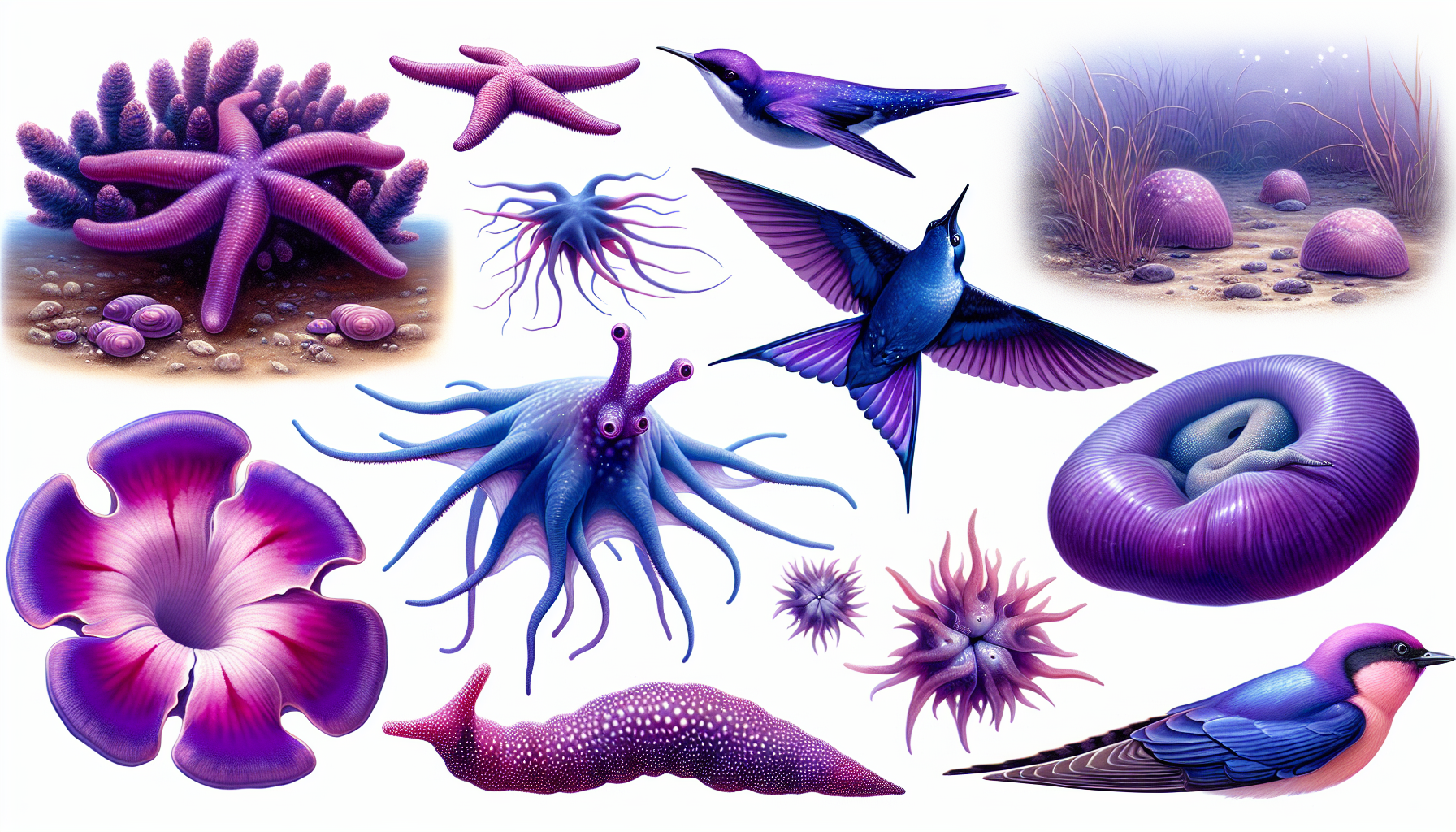
A conceptual depiction of various animals known for their purple coloring. Imagine a deep purple starfish with five arms, moving on the seafloor. Nearby, there's an ethereal Sea Slug, colored in varying shades of purple, with hints of pink near its gills. Above, track a purple Martin in flight, its wings shimmering metallic purple under the sunlight. No human beings are included, and each creature appears in its natural habitat. Also, please ensure no textual elements, brand names, or logos are visible within the artwork.

Purple Animals

Purple Frog Purple Starling Purple Martin Purple Finch Violet-Backed Starling Purple Gallinule Purple Emperor Butterfly Violet Turaco Amethyst Starling Purple Honeycreeper Purple Sea Urchin Spanish
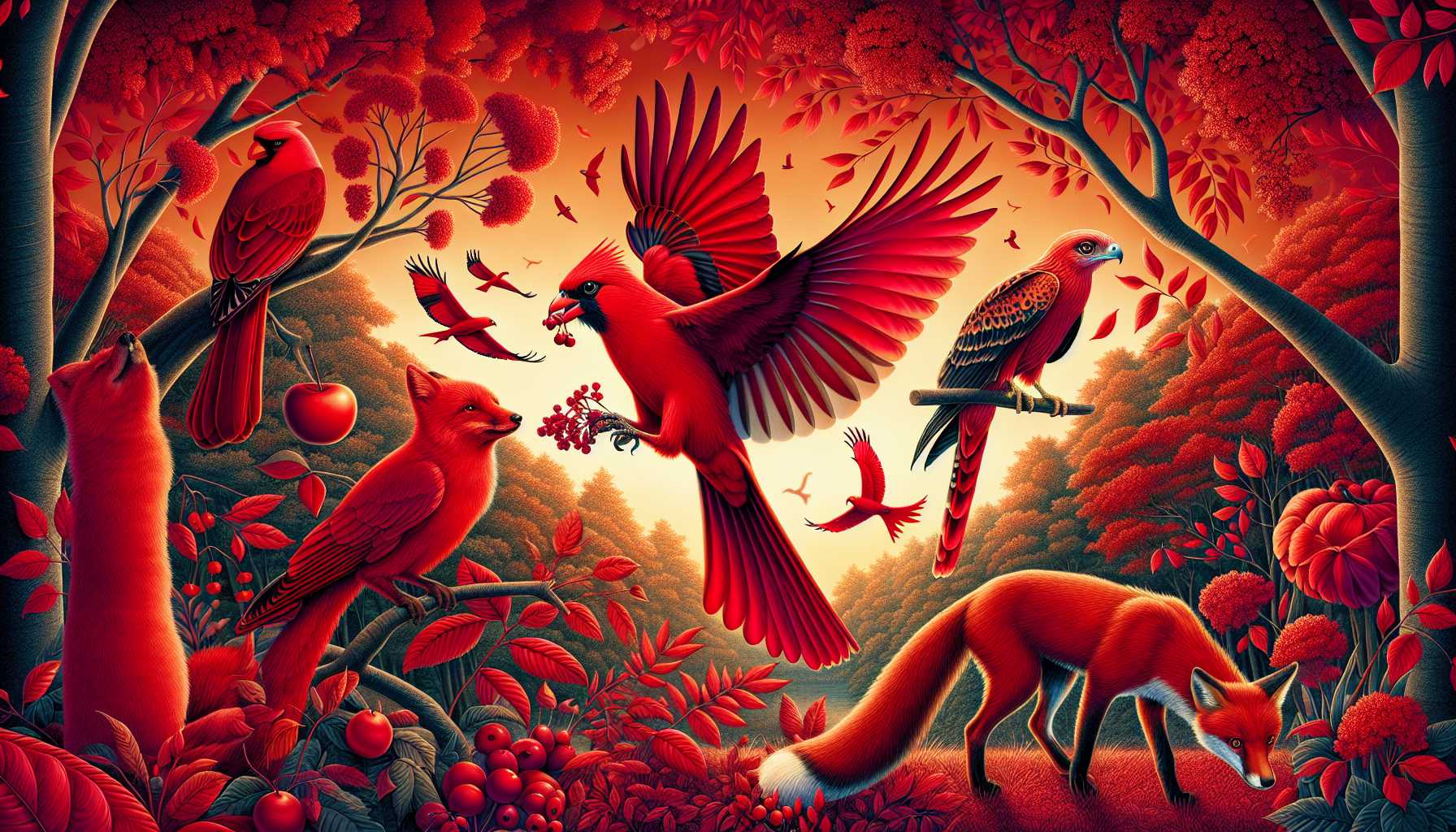
Visualize a striking and energetic scene filled with red animals. To start, conceive an entirely crimson cardinal perched on a branch of a scarlet tree. Nearby, a ruby red fox trots calmly along the woodland floor, its saturated fur glowing vibrantly against the greenery. High in the sky, a pair of red kites swirl, their fiery plumage as radiant as the setting sun. Among the leaves, a vivid red squirrel nibbles on a nut. No text or human figures are present in this composition, just the enchanting world of ruby fauna and florals.

Red Animals

  Red Fox Scarlet Macaw Northern Cardinal Red Panda Red Squirrel Scarlet Ibis Red Cobra Red-Eyed Tree Frog Red Salamander Blood Red Glider Butterfly Red

Create an image featuring a variety of orange-colored animals. The composition could include a vibrantly colored orange tiger roaming in the wild, a goldfish swimming in clear blue water, and a proud peacock with its striking orange and blue plumage on display. Also include a colorful orange monarch butterfly landing gently on a blossoming flower. Ensure the depiction of these animals is realistic and that the environment they are portrayed in is suitable for each species. Make sure there are no humans, text, or brand logos in any part of the image.

Orange Animals

Exploring the World of Orange Animals Alright, adventurers, strap on your boots and get ready for a vibrant safari! Today, we’re diving headfirst into the

An image capturing the process of making beef jerky. It features a kitchen counter with a raw flank steak, a knife, and a handful of common spices like crushed red pepper and garlic. Next to these elements, there's a wooden cutting board where thin slices of the steak are laid out, ready to be prepared. Adjacent to the cutting board, there's a dehydrator with some of the beef slices inside. The background shows well-lit kitchen environment without any text or logo present. Oven mitts hang off to the side and various kitchen utensils are neatly arranged.

How To Make Beef Jerky

Understanding Beef Jerky and Its Origins Before diving into the how-to, it’s important to understand what beef jerky is and where it came from. Beef

An African landscape at sunset. The sky aflame with warm hues of orange and purple. In the foreground, a majestic Masai Lion known as Panthera leo nubica spans the scene. The lion is lounging atop a raised hillock, watching over the expansive Savannah. Various native trees dot the surrounding landscape, and tall grass rustles lightly with unseen wildlife. The image evokes the peaceful yet raw beauty of the native habitat of the Masai Lion. There are no humans in the picture, ensuring that the focus remains solely on the regal lion and the serene, untouched wilderness.

Masai Lion (Panthera leo nubica)

Introduction to the Masai Lion Ah, the mighty Masai Lion—a true king of East Africa’s savanna! Known scientifically as Panthera leo nubica, these majestic beasts

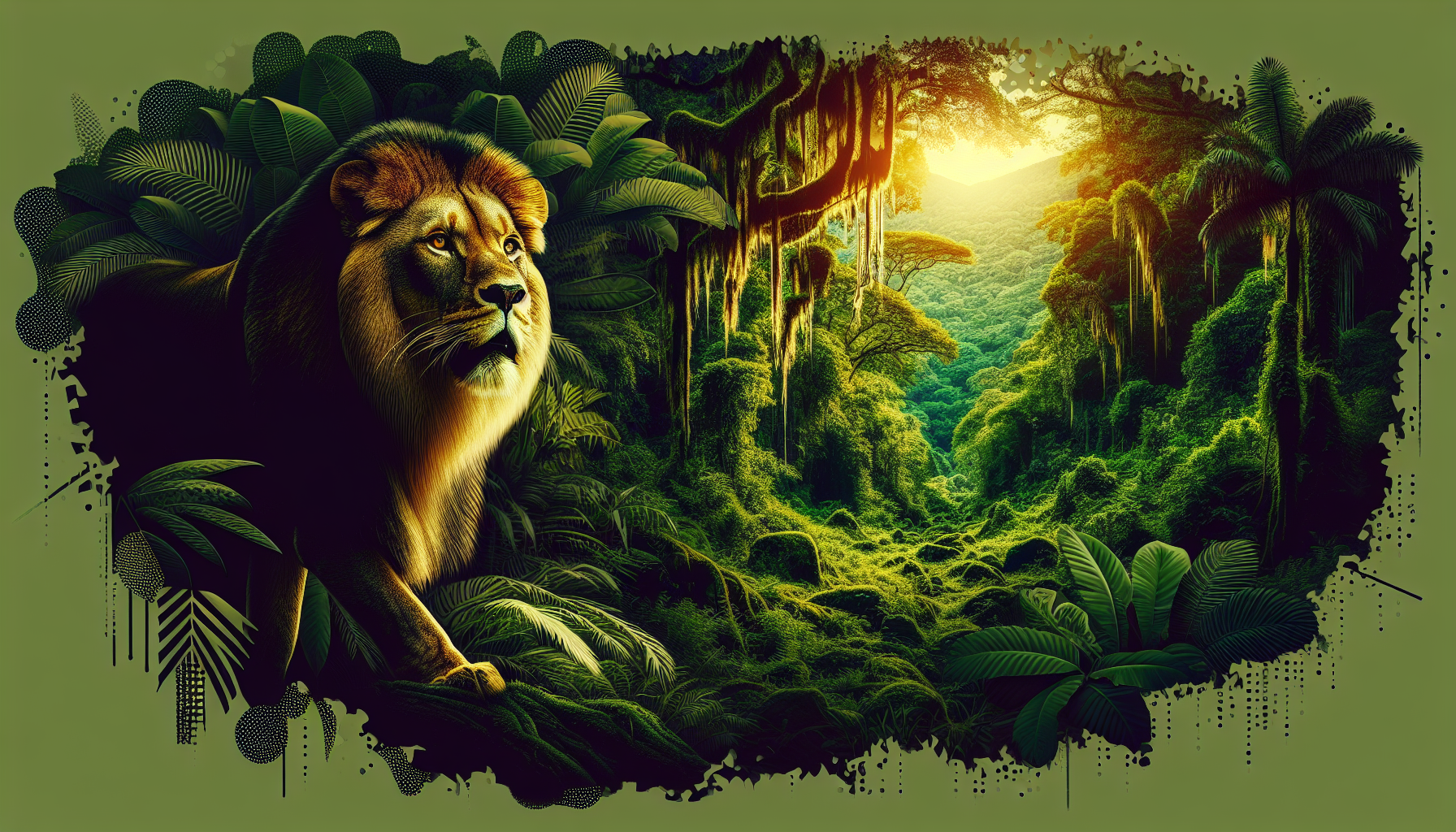
A graphic depiction of the Panthera leo azandica, also known as the Congo lion. The image captures the majestic beast in its natural habitat within the Congo rainforest. The lion, known for its iconic mane and powerful build, is standing on the edge of a lush jungle, its golden eyes scanning the surrounding foliage. The Congo rainforest is lavishly represented with dense, verdant trees and exotic plants. Remembering to abstain from including humans, text, brand names or logos in this depiction. The image must solely focus on illustrating the majestic beauty of the Congo Lion and the richness of its natural environment.

Congo Lion (Panthera leo azandica)

Discovering the Congo Lion: An Elusive Subspecies Alright, folks, let’s talk about a lion you probably haven’t heard much about—the Congo Lion! This isn’t your

An informative illustration showing the various foods that wild sloths eat in their natural habitat. The image shows a serene rainforest, with a comfortably perched sloth reaching out to foliage around it. The foliage consists of leaves, shoots, and fruits to signify the diverse diet of a sloth. No people, text, or brand names appear within the scene. The color palette is lush and vibrant, helping portray the lushness of a rainforest. The sloth is drawn in a friendly and approachable manner, capturing the peaceful nature of the creature.

A Guide to the Diet of Wild Sloths

Wild sloths primarily chow down on leaves, buds, and tender shoots from different rainforest trees and plants. Ah, sloths—those quirky, slow-motion wonders of Central and

An image of an ivory-coloured lion, scientifically known as Panthera leo krugeri. This majestic creature is standing on an expansive African grassland, with a tawny-coloured savanna stretching into the horizon. The lion's distinct features, like its piercing eyes, a thick mane with a light golden hue, and a muscular build are evident. Contrasting the white hue of the lion, the background hosts the hues of a glorious sunset, washing the entire scene with a radiant, golden light. Note that the image contains no human figures, text, brand names, or logos.

White Lion (Panthera leo krugeri)

Discovering the Majestic White Lion Alright, folks, buckle up because we’re diving into the magical world of white lions! Think of them as the unicorns

Illustrate a scene in the heart of a lush, tropical rainforest. A trio of sloths are hanging upside down from the branches of a towering, mossy tree. The sloths move lethargically, embodying the slow-paced lifestyle they are known for. Their long claws grip onto the branches as they leisurely reach for the leaves to munch on. The image is devoid of any human interaction, text, brand names, or logos, capturing the essence of nature in its purest form.

Why Sloths are Slow

Have you ever wondered why sloths are so slow? Well, it’s not because they’re lazy—it’s all about survival strategy! These adorable rainforest dwellers have mastered