How to Litter Train a Rabbit (Step by Step)
Yes, rabbits can be litter trained — often faster than a kitten — because they naturally choose one or two latrine spots and return to

Yes, rabbits can be litter trained — often faster than a kitten — because they naturally choose one or two latrine spots and return to

Raccoons eat almost anything: crayfish, frogs, insects, grubs, bird eggs, small rodents, fruits, nuts, corn, and carrion in the wild — plus garbage, pet food,
A dog refusing food usually has one of four things going on: a medical issue, a dental problem, stress, or something about the food itself
Rarely — coneflowers are among the most dependable deer-resistant flowers you can plant. Echinacea defends itself three ways at once: rough, hairy foliage deer dislike
Rarely — black-eyed Susans are one of the more dependable deer-resistant perennials. The leaves and stems of Rudbeckia are covered in coarse, bristly hairs that
Deer stay warm in winter through a remarkable combination of equipment and strategy: a two-layer winter coat whose hollow guard hairs trap insulating air, a

A wolf track is big — typically 4 to 5 inches long — with four toes, visible claw marks, and a purposeful, almost machine-straight trail.
Yes — deer eat corn eagerly, and it may be the crop they damage most. Deer graze corn at every stage: tender seedlings in spring,
A pet rabbit typically costs $20–$100 to adopt or $50–$250 from a breeder, $200–$500 for the initial setup, and $80–$200 per month in ongoing care
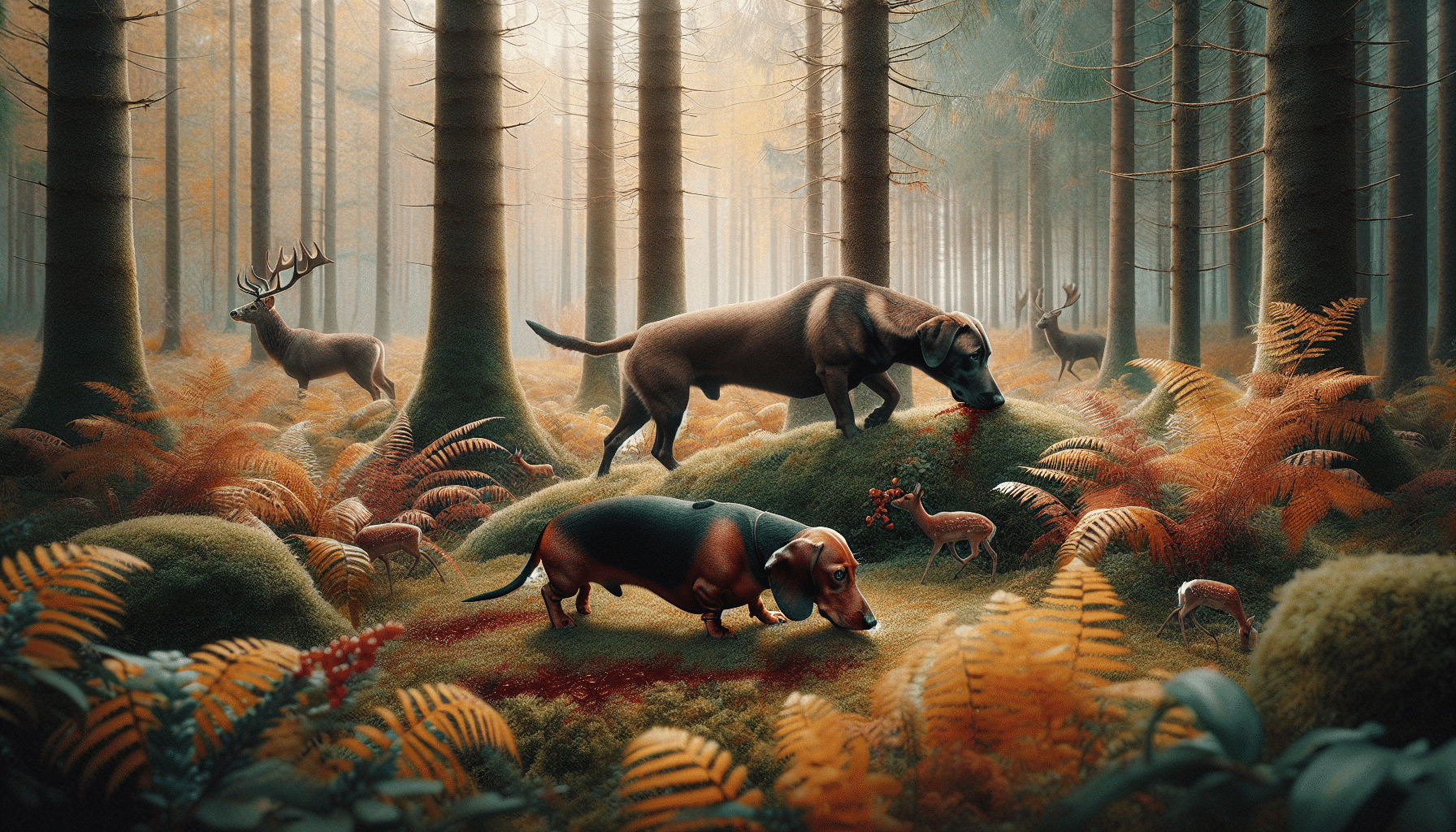
During the day, most deer are bedded down in thick cover, resting, chewing their cud, and letting their eyes, ears, and nose stand guard while
How much you should feed your dog depends on five things: body weight, age, activity level, breed size, and whether your dog is spayed or
Yes — deer eat zucchini, though the plant fights back a little. The big leaves and stems are covered in stiff, prickly hairs that deer

Elk are generally not dangerous to people who keep their distance, and attacks are rare. But elk are large, powerful wild animals, and they injure

Bats are among the most economically and ecologically valuable wild animals on Earth. They are the night shift of the natural world: eating crop-destroying insects
Wolves and coyotes are close cousins that are mistaken for each other constantly — but once you know what to look for, they’re surprisingly easy
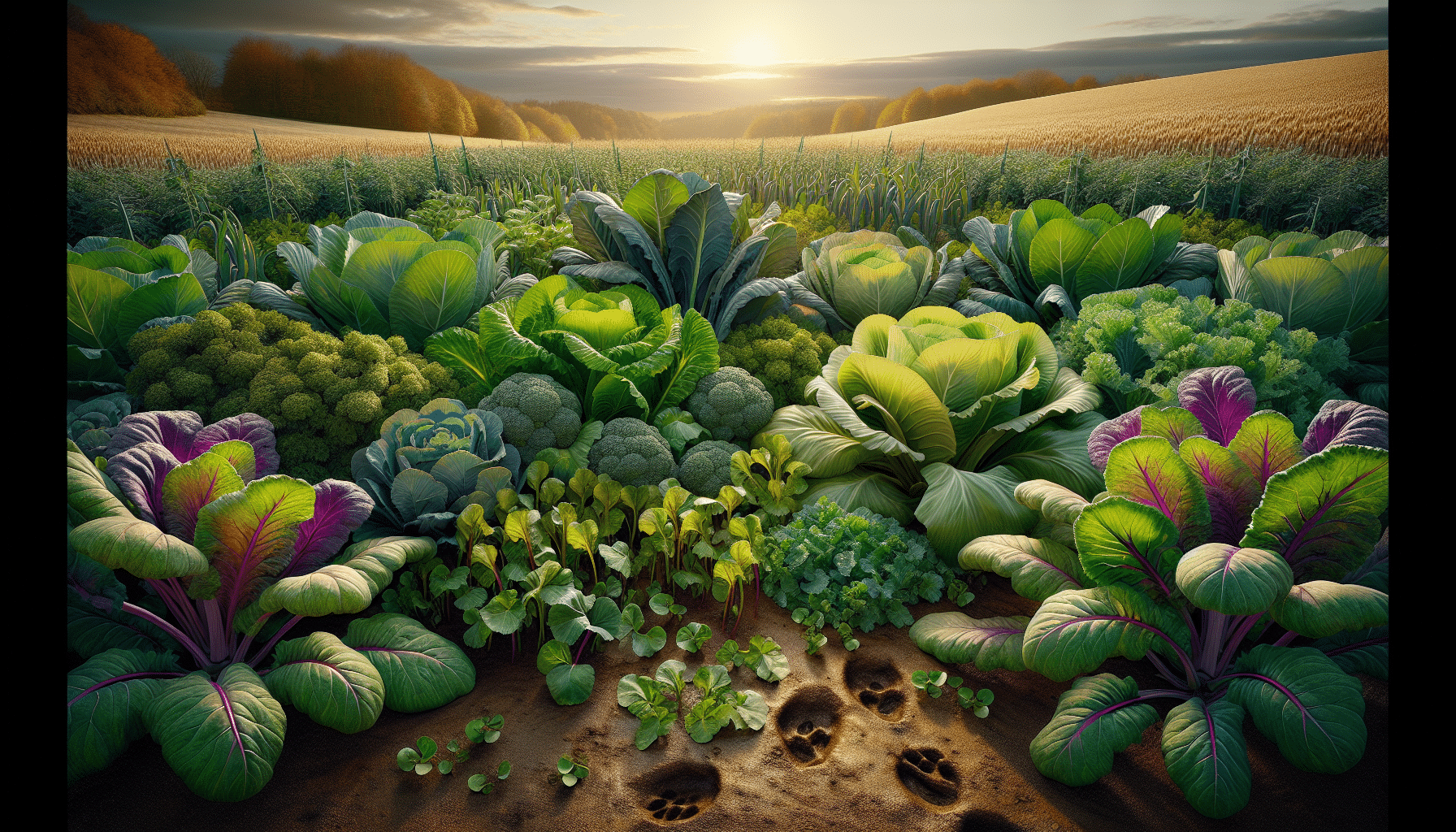
Most deer drink free-standing water regularly, often daily when it’s convenient, but deer are far less tied to waterholes than most people assume, because a
Rabbits cannot eat chocolate, avocado, onions, garlic, rhubarb, raw potatoes, fruit seeds and pits, iceberg lettuce, bread, dairy, meat, nuts, or most processed human foods.
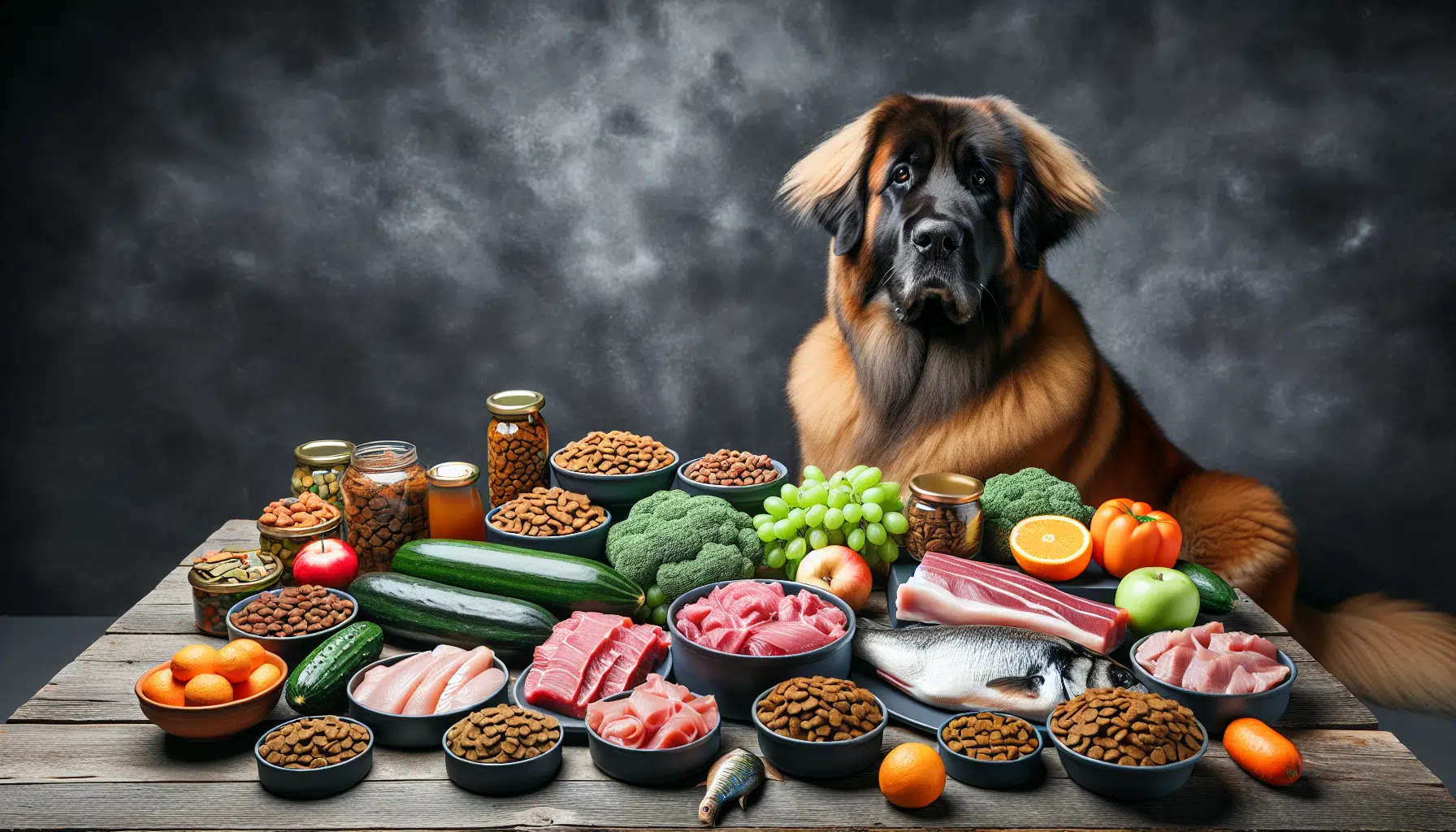
A handful of everyday foods — chocolate, anything sweetened with xylitol, grapes and raisins, onions and garlic, macadamia nuts, and alcohol — are genuinely toxic
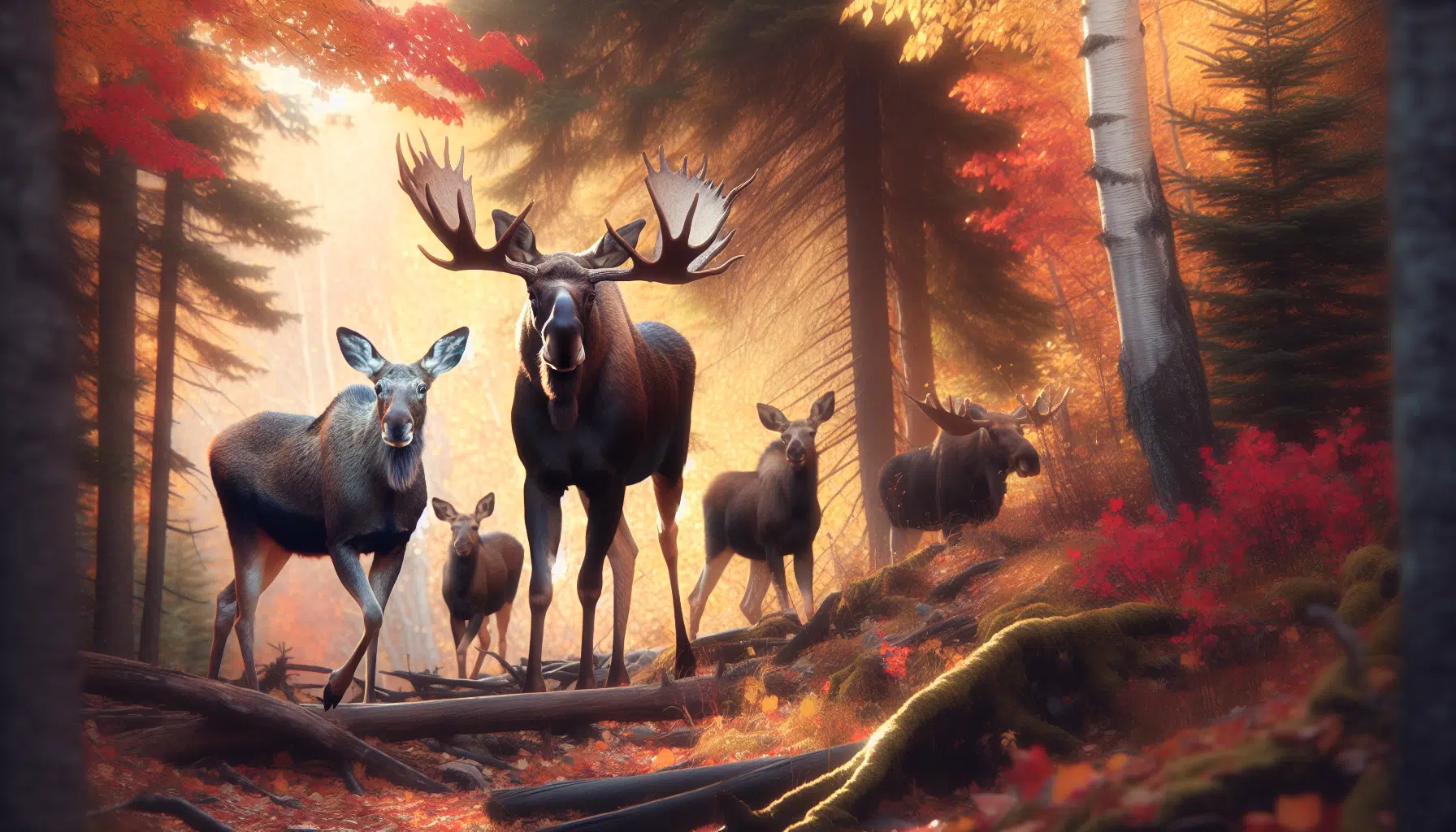
The flap of skin and fur hanging under a moose’s throat is called a dewlap — or, more commonly in moose circles, a “bell” —
Yes — deer eat vegetable gardens, and given the chance they’ll eat most of what’s in yours. A vegetable plot is the richest concentration of

Reindeer and elk are two entirely different deer species. The elk (Cervus canadensis) is much larger — a bull elk can weigh roughly twice as
Deer and kangaroos could hardly be more distantly related — one is a placental mammal of the deer family Cervidae, the other a marsupial that
Mostly no — deer generally avoid succulents, but “generally” is doing real work in that sentence. Waxy coatings, bitter or astringent sap, and odd textures

Deer are herbivores, and plants make up essentially all of their diet, but the surprising truth is that deer do occasionally eat meat. Deer have