
Seal Kingdom: Life, Habits, and Ocean Mysteries
Seals are one of the most captivating marine animals on Earth. Their playful nature, ability to glide gracefully through water, and unique way of moving on land make them stand out. Found in oceans, coasts, and icy habitats, seals have a special place in marine ecosystems, playing a key role in maintaining the balance of life underwater.
These semiaquatic mammals belong to a group called pinnipeds, which also includes sea lions and walruses. Seals are famous for their adorable “pup” stage, underwater agility, and charming vocal sounds like barks, grunts, and honks. Whether swimming deep underwater or lounging on ice, seals are a vital part of the marine world.
We cover everything you should know about seals their physical traits, diet, reproduction, natural habitats, and more. By the end, you’ll have a fresh perspective on these incredible marine mammals.
What Are Seals?
Seals, scientifically known as Pinnipeds, are marine mammals with fin-like limbs that help them move in water and on land. They are carnivorous, meaning they rely on fish, squid, and other marine life for food. Unlike dolphins or whales, seals have the unique ability to move on both land and water, although their land movements are often slow and “galumphing.”
Classification of Seals
Seals belong to the clade Pinnipedia, which consists of three main families. Each family has distinct traits that set them apart. Here’s a simple breakdown:
| Seal Family | Key Characteristics | Example Species |
|---|---|---|
| Odobenidae | Large tusks, thick blubber, large size | Walrus |
| Otariidae | External ear flaps, agile on land, use front flippers to walk | Sea lions, Fur seals |
| Phocidae | No ear flaps, better swimmers, galumph on land | Harbor seals, Elephant seals |
Each family plays a different role in the marine ecosystem. Otariids (sea lions) are known for their agility on land, while phocids (true seals) are more specialized for underwater life.
How Are Seals Different from Sea Lions and Walruses?
It’s common for people to mix up seals, sea lions, and walruses since they all look similar. Here’s how you can tell them apart:
| Feature | Seals (Phocidae) | Sea Lions (Otariidae) | Walruses (Odobenidae) |
|---|---|---|---|
| Ears | No external ear flaps | Visible ear flaps | No external ear flaps |
| Movement on Land | Galumph (belly flop movement) | Walks using front flippers | Moves using front flippers |
| Size | Medium to large | Medium | Very large, up to 2,000 kg |
| Tusks | No tusks | No tusks | Large tusks present |
| Swimming | Uses rear flippers to swim | Uses front flippers to swim | Uses rear flippers to swim |
| Social Behavior | Often solitary or in small groups | Form large colonies | Form large herds |
If you see a marine animal walking upright on its flippers at a zoo or marine park, it’s probably a sea lion. If you spot an enormous creature with tusks, that’s a walrus. Seals, however, are more reserved and typically flop along the beach instead of walking.
What Makes Seals Unique?
- Adaptation to Aquatic Life: Seals are perfectly adapted for life in cold water. Their thick layer of blubber keeps them warm in icy environments.
- Diverse Species: There are 34 species of seals, from the small harbor seal to the massive elephant seal.
- Breathing & Diving: Seals can hold their breath for long periods underwater, making them expert divers in search of fish and squid.
- Communication: Seals are known for their barks, grunts, and even underwater “songs” that help them connect with other seals, especially during mating season.
Seal Classification (Types of Seals)
Seals belong to a larger group called Pinnipeds, which also includes sea lions and walruses. While all of them share similarities, each type has unique traits that make them stand out. Here’s a closer look at the main types of seals and how they differ from each other.
1. Sea Lions
Sea lions are often mistaken for seals, but they have features that make them easy to recognize.
Key Features:
- Ears: Sea lions have small external ear flaps (unlike seals, which only have ear holes).
- Mobility on Land: Sea lions use their large front flippers to “walk” on land, giving them more agility.
- Swimming Style: They use their front flippers like wings to swim powerfully through the water.
- Social Behavior: Sea lions are social animals and are often seen in large colonies.
- Habitat: Found in temperate waters, especially around California, South America, and New Zealand.
2. Earless Seals (True Seals)
Earless seals, also known as true seals, are more specialized for life in the water.
Key Features:
- Ears: Unlike sea lions, they have ear holes instead of external ear flaps.
- Mobility on Land: True seals “galumph” on land, dragging their bodies using their bellies.
- Swimming Style: They use their back flippers to propel themselves in the water.
- Social Behavior: True seals are often solitary but may gather in groups during the breeding season.
- Habitat: Found in icy waters like the Arctic and Antarctic, as well as temperate regions.
3. Eared Seals
Eared seals are part of the Otariidae family, which also includes fur seals. They share similarities with sea lions but have their own distinctions.
Key Features:
- Ears: Just like sea lions, eared seals have visible ear flaps.
- Mobility on Land: They are more agile on land and can “walk” using their front flippers.
- Swimming Style: Their front flippers provide strong swimming power.
- Habitat: Eared seals are found in warmer regions and coasts of the Pacific, Atlantic, and Indian Oceans.
4. Walrus
Walruses are unique pinnipeds due to their large size and iconic tusks.
Key Features:
- Tusks: Male and female walruses have large tusks, which they use for defense, dominance, and pulling themselves onto ice.
- Body Size: Walruses are much larger than seals and sea lions, weighing up to 2,000 kg.
- Habitat: Found in the Arctic Ocean and sub-Arctic regions.
- Social Behavior: Walruses are social animals that form large herds.

Sea Lions

Earless Seals (True Seals)

Eared Seals

Walrus
Visual Comparison of Sea Lions, Earless Seals, Eared Seals, and Walruses
| Feature | Sea Lions | Earless Seals | Eared Seals | Walrus |
|---|---|---|---|---|
| Ear Flaps | Yes (visible) | No (ear holes) | Yes (visible) | No (ear holes) |
| Movement on Land | Walks using front flippers | Galumphs on belly | Walks using front flippers | Moves using front flippers |
| Flippers Used for Swimming | Front flippers | Rear flippers | Front flippers | Rear flippers |
| Presence of Tusks | No | No | No | Yes (both male and female) |
| Social Behavior | Social (live in colonies) | Solitary or small groups | Social (live in colonies) | Social (live in herds) |
| Primary Habitat | Temperate waters | Icy and temperate waters | Temperate and coastal areas | Arctic regions |
This table gives a clear view of the major differences between sea lions, seals, eared seals, and walruses.
Physical Characteristics of Seals
Seals have unique physical traits that help them survive in cold, aquatic environments. From their insulated blubber to their sensitive whiskers, every part of a seal’s body serves a purpose. Here’s a closer look at their physical features.
Size and Weight
Seals vary in size depending on the species. For example:
- Harbor Seals weigh around 130 kg (286 lbs) and grow up to 1.8 meters (6 feet) long.
- Elephant Seals are much larger, with males reaching up to 4,000 kg (8,800 lbs) and 6 meters (20 feet) long.
| Seal Species | Average Length (m) | Average Weight (kg) |
|---|---|---|
| Harbor Seal | 1.8 m | 130 kg |
| Elephant Seal | 6.0 m | 4,000 kg |
| Ringed Seal | 1.5 m | 70 kg |
| Leopard Seal | 3.5 m | 320 kg |
Fur and Skin
- Fur: Most seals have short, dense fur, but it’s not their primary protection from the cold.
- Blubber: The key to a seal’s survival in cold water is its thick layer of blubber. This layer of fat insulates the body, stores energy, and provides buoyancy.
Flippers and Movement
- Front Flippers: Seals have short, stubby front flippers. Unlike sea lions, they do not use their front flippers to walk on land.
- Rear Flippers: Seals rely on their rear flippers to swim. Their back-and-forth movements resemble the tail movement of fish.
- Land Movement: On land, seals “galumph” by wriggling their bodies forward, as their front flippers are not strong enough to lift them.
Ears and Sensory Organs
- Ears: Unlike sea lions, seals have no external ear flaps. Instead, they have ear holes that close when they dive underwater.
- Hearing: Seals have excellent hearing, especially underwater, where they rely on sound to detect predators and prey.
Whiskers and Sensory Abilities
Seals have long, sensitive whiskers called vibrissae. These whiskers play an essential role in hunting by:
- Detecting vibrations from fish and other prey in the water.
- Helping seals find food in dark or murky waters.
Unique Movement (Galumphing)
Unlike sea lions that can “walk” on their flippers, seals have a unique way of moving on land called galumphing.
- How it works: Seals move forward by wriggling and bouncing their bellies, using their front flippers for small support.
- Why it matters: Galumphing allows them to move on beaches, ice, and rocky surfaces to rest, breed, or escape predators.
Habitat and Where Seals Live
Seals have adapted to a wide range of environments across the globe. From icy Arctic waters to temperate coastlines, seals are found in many different climates. While some prefer icy environments, others thrive in temperate oceans and coastal regions. Here’s a closer look at where seals live and the conditions they call home.
General Habitat
Seals are marine mammals, meaning they spend most of their time in the water but often come ashore to rest, breed, and give birth. Their habitats include:
- Oceans: Open oceans and coastal waters are common places for seals to hunt and swim.
- Coasts: Coastal areas with rocky shores, sandy beaches, or ice floes are important resting and breeding spots.
- Ice Floes: Some seal species, like harp seals, rely on drifting ice for resting, giving birth, and escaping predators.
Country-Wise Distribution of Seals
Seals are found on nearly every continent with a coastline. Their distribution varies by species, with some preferring cold Arctic waters while others thrive in temperate or tropical zones. Here’s a region-wise breakdown of where seals live:
| Region | Countries/Areas | Seal Species Found |
|---|---|---|
| North America | USA (Alaska), Canada, Mexico | Harbor seals, Elephant seals, Gray seals |
| Europe | Norway, UK, Iceland, Ireland | Harbor seals, Gray seals, Bearded seals |
| Asia | Japan, Russia, Arctic regions | Ringed seals, Bearded seals, Ribbon seals |
| Africa | South African coasts | Cape fur seals, Subantarctic fur seals |
| Australia/New Zealand | Coasts of Australia, NZ | Australian fur seals, New Zealand sea lions |
| Arctic & Antarctic | Icy regions of Arctic & Antarctic | Leopard seals, Weddell seals, Crabeater seals |
This table shows that seals can live in both warm and cold climates, from the icy Arctic to the rocky shores of New Zealand. Some species stay close to icy waters, while others venture into warmer coastal areas.
Environmental Preferences
- Ice-Dwelling Seals: Species like harp seals and leopard seals depend on icy environments for breeding, resting, and avoiding predators.
- Temperate Climate Seals: Seals like harbor seals and elephant seals prefer temperate coasts, rocky beaches, and sandy shores for resting and breeding.
- Sub-Antarctic Seals: Fur seals and sea lions are often found in sub-Antarctic regions, using islands and coastal areas for breeding.
Seals have the flexibility to adapt to both land and water, but they always stay close to water. Their habitat choices often depend on food availability, predator presence, and breeding needs.
Diet and Feeding Habits
Seals are carnivorous hunters with a diet that changes depending on their location and the season. Their food choices include fish, squid, and crustaceans, and some species are known for their deep-diving hunting methods. Here’s a closer look at what seals eat and how they find their meals.
What Do Seals Eat?
Seals eat a variety of aquatic animals based on what’s available in their environment. Their diet includes:
- Fish: Herring, cod, mackerel, and smelt are some of the most common fish in a seal’s diet.
- Squid and Octopus: For seals living in deeper waters, squid and octopus provide a good source of nutrition.
- Krill and Shrimp: Some seals, like crabeater seals, consume large amounts of krill in icy waters.
- Crustaceans: In coastal regions, seals may consume crabs, lobsters, and small crustaceans.
Here’s a breakdown of what seals eat by species:
| Seal Species | Main Food Sources | Hunting Zone |
|---|---|---|
| Harp Seal | Fish (capelin, herring), crustaceans | Arctic icy waters |
| Leopard Seal | Penguins, fish, krill, seabirds | Antarctic icy waters |
| Harbor Seal | Fish (cod, herring), crustaceans | Coastal temperate waters |
| Crabeater Seal | Krill (main food source) | Antarctic icy waters |
| Elephant Seal | Deep-sea squid, fish | Open ocean depths |
This table shows the difference in diet for each seal species. Some seals rely on deep-sea prey, while others feed in shallow coastal waters.
Hunting Strategies
Seals are skilled hunters that use a combination of stealth, speed, and sensory abilities to catch their prey. Here’s how they do it:
- Whisker Detection: Seals have highly sensitive whiskers (called vibrissae) that detect vibrations in the water, helping them locate prey in murky conditions.
- Deep Dives: Many seal species, like elephant seals, dive deep into the ocean to hunt squid, sometimes reaching depths of 1,500 meters (4,900 feet).
- Speed and Agility: Seals are fast swimmers and use their powerful rear flippers to chase down fast-moving fish.
- Silent Approach: Seals approach prey silently to avoid detection, striking with precision.
Foraging Depths and Techniques
Seals are deep divers, with some species reaching extreme depths to find food. Their diving abilities vary by species.
| Seal Species | Diving Depth (m) | Diving Duration | Prey at These Depths |
|---|---|---|---|
| Elephant Seal | Up to 1,500 m | 20-120 minutes | Deep-sea squid, fish |
| Leopard Seal | 300-500 m | 15-30 minutes | Penguins, fish |
| Harp Seal | 150-200 m | 10-15 minutes | Fish, squid |
| Ringed Seal | 100 m | 5-10 minutes | Small fish, crustaceans |
Elephant seals hold the record for the deepest and longest dives, while smaller seals like ringed seals stick to shallow depths to find food.
Feeding in Captivity
In aquariums and marine parks, seals are fed diets that closely match what they would eat in the wild. Their food typically includes:
- Frozen Fish: Herring, mackerel, and other commercially available fish are used to replicate their wild diet.
- Squid and Krill: These are sometimes added to provide variety.
- Vitamins and Supplements: Since captive seals may miss out on natural nutrients, they receive supplements to ensure proper health.
Care is taken to mimic natural feeding behaviors, such as tossing fish into the water for seals to chase.
Reproduction and Mating Habits
The reproduction process of seals is a blend of strategy, survival, and competition. Seals have adapted their mating habits to ensure the survival of their species, even in the most extreme environments. From intense male battles to specialized birth strategies, every stage is perfectly timed with the changing seasons.
Mating Season
When It Happens: The mating season for most seal species occurs right after the pups are weaned. This timing allows female seals to prepare for their next pregnancy. For example:
- Harp Seals: Mating occurs between February and March on floating ice.
- Elephant Seals: Mating happens from August to October on beaches.
- Ringed Seals: Breeding takes place in late winter, just before ice starts to melt.
Where It Happens: Seals return to their breeding grounds to mate, which are often beaches, rocky coasts, or ice floes. Some species like elephant seals gather in large groups called rookeries, where hundreds or even thousands of seals breed and give birth in the same location.
Mating Rituals
Competition Among Males:
- Male seals, also called bulls, fight for control over a group of females (called a harem).
- Bulls display their dominance through loud roars, headbutts, and sometimes violent physical fights.
- The largest and strongest bulls often secure the most mates, as they maintain control of harems with 10-100 females.
Courtship:
- Male seals attempt to attract females by vocalizing, displaying strength, and chasing them in the water.
- Females, however, have the power to accept or reject the male.
- Mating typically occurs on land or on ice, depending on the species.
Embryonic Diapause
- What Happens?: After mating, the female seal’s fertilized egg enters a period of dormancy known as embryonic diapause.
- Why It Happens?: This pause in development allows the female to delay the growth of the embryo until the best conditions are available for birth. This ensures pups are born at the right time of year, usually when food is abundant.
- Duration: Embryonic diapause can last 2-3 months, after which the embryo resumes normal development.
Birth and Nursing
- Where Seals Give Birth: Seal mothers give birth on land, beaches, rocky shores, or ice floes. The environment depends on the species, with harp seals using ice floes, while elephant seals give birth on sandy beaches.
- Number of Pups: Most seals give birth to one pup per year, but in rare cases, twins may be born.
- Nursing and Milk: Seal milk is extremely rich in fat, sometimes containing up to 60% fat, which helps the pups grow rapidly. For comparison, human milk is only 3-5% fat.
| Seal Species | Nursing Duration | Milk Fat Content | Growth Rate |
|---|---|---|---|
| Elephant Seal | 25-30 days | 50-60% | Pups double in weight |
| Harp Seal | 10-12 days | 48-55% | Pups grow quickly |
| Harbor Seal | 4-6 weeks | 40-50% | Steady, gradual growth |
| Leopard Seal | 4 weeks | 40-50% | Rapidgrowth |
Growth and Development of Pups
- Newborn Pups: Pups are born with a coat of white fur (called lanugo) that keeps them warm.
- Nursing Period: Mothers nurse pups for a period ranging from 10 days (harp seals) to several weeks (harbor seals).
- Learning to Swim: Pups begin swimming shortly after birth. They start in shallow water near the shore, slowly building up strength and confidence.
- Independence: Once weaned, pups are on their own. They must learn to hunt, avoid predators, and survive the harsh environment.
Lifespan and Life Cycle
A seal’s life is full of challenges, from dealing with predators to surviving harsh weather. Their lifespan varies depending on the species, and while some live to be 30 years old, others have shorter lives due to predation and human threats.
How Long Do Seals Live?
The lifespan of a seal depends on its species and environment. Some species live longer in captivity than in the wild, as they are free from predators, disease, and harsh weather.
| Seal Species | Lifespan in the Wild | Lifespan in Captivity |
|---|---|---|
| Harbor Seal | 25-30 years | 30-35 years |
| Harp Seal | 20-30 years | 25-30 years |
| Leopard Seal | 20-26 years | Rarely kept in captivity |
| Elephant Seal | 12-14 years (males) | Rarely kept in captivity |
| Ringed Seal | 25-30 years | 30-35 years |
Stages of Life
- Pup: Birth to 1 month, fully dependent on the mother for food and protection.
- Juvenile: From 1 month to 1 year, seals learn to hunt and survive on their own.
- Sub-Adult: From 1-4 years, seals grow larger and develop hunting skills.
- Adult: From 5 years onward, they are fully grown and ready to reproduce.
- Old Age: Seals that survive predators and disease can live up to 30 years.
Factors Affecting Lifespan
- Predators: Orcas, sharks, and polar bears hunt seals, especially young pups.
- Disease: Illnesses like phocine distemper virus (PDV) have wiped out large populations of seals.
- Human Impact: Seals are also affected by oil spills, pollution, and fishing net entanglement.
Communication and Vocalizations
Seals are social animals that rely on vocal sounds to communicate. They use different sounds depending on whether they are underwater or on land. Each sound serves a purpose, from attracting mates to warning of danger.
Underwater Sounds
Seals are capable of producing sounds underwater for various reasons, such as mating and defending territory.
- Types of Sounds: Roars, grunts, growls, and moans.
- Purpose: Males use roars to assert dominance and attract females.
- Frequency: Sounds typically occur at 1.2 kHz, which allows them to travel long distances underwater.
In-Air Vocalizations
Seals communicate above water as well. Their in-air vocalizations are different from underwater sounds.
- Types of Sounds: Barks, grunts, honks, and growls.
- Pup Calls: Pups and mothers call each other to stay connected, especially in crowded colonies.
- Mating Calls: Male seals bark to establish dominance or compete for mates.
| Vocalization | Where It Happens | Purpose |
|---|---|---|
| Roars | Underwater | Mating, dominance displays |
| Barks | On land | Defense, territorial claim |
| Grunts | On land/underwater | Group communication |
| Growls | On land | Aggressive display in males |
| Pup Calls | On land | Bonding between pup and mother |
Purpose of Communication
Seals use vocalizations for a range of reasons:
- Mating: Males produce loud roars and grunts to attract females.
- Territory Defense: Barks and growls warn other males to stay away.
- Parent-Pup Bond: Mothers and pups recognize each other’s voices, even in large, noisy colonies.
- Danger Warnings: Seals alert others to predators with loud barks or rapid grunts.
Behavior and Social Structure
Seals exhibit a wide range of behaviors, many of which are essential for survival in both water and on land. Their social interactions, sleeping habits, and defensive tactics are all shaped by their need to find food, reproduce, and avoid predators. Seals are known for their adaptability, and their social structure changes throughout the year depending on the breeding season, access to food, and environmental factors.
Seal Social Behavior
Seals display a mix of solitary and social behaviors, depending on the season and species. While some seals are solitary for most of the year, others prefer to gather in groups called colonies or herds during specific times like mating or molting seasons.
- Solitary Hunters: Most seal species, such as harbor seals, prefer to hunt alone. This behavior helps them avoid competition for food and reduces the chances of being noticed by predators.
- Social Gatherings: During mating or molting seasons, seals gather on beaches or ice floes in large groups called rookeries. In these crowded areas, they interact with one another through vocal calls, body postures, and physical contact.
- Parental Behavior: Mother seals are highly protective of their pups. They recognize their pup’s unique call even in the midst of thousands of other seals in a crowded rookery.
Seal Colonies and Herds
Seals gather in different types of groups, which vary in size and structure depending on their purpose.
- Rookeries: These are large breeding colonies where thousands of seals gather during the mating season. It is often noisy and chaotic, as males compete for mates while females care for their newborn pups.
- Harems: In species like elephant seals, a dominant male (bull) controls a group of females called a harem. The bull defends his harem from rival males, often through fierce battles.
- Bobs and Herds: When seals float together in the water, they form groups called bobs. On land, groups of resting seals are referred to as herds. Bobs and herds offer protection, as seals are safer in numbers from predators like sharks and orcas.
| Group Type | Location | Purpose |
|---|---|---|
| Rookery | Beaches, ice floes | Breeding, birthing, raising pups |
| Harem | Coastal beaches | Mating, with one male controlling females |
| Bob | Floating in water | Resting, protection from predators |
| Herd | Land, ice floes | Resting, molting, and protection |
How Seals Sleep
Seals have a unique approach to sleep that allows them to stay alert for predators while still getting enough rest. Their sleeping habits change depending on whether they are on land or in water.
- Sleeping in Water: Seals use a technique called unihemispheric slow-wave sleep (USWS), where one side of their brain stays active while the other rests. This allows them to remain semi-aware of predators and breathe automatically while floating near the surface.
- Sleeping on Land: When on land, seals sleep in groups, often curling up or lying flat. This offers better protection from predators like polar bears or humans.
- Breathing While Sleeping: When seals sleep underwater, they float near the surface and rise periodically to breathe. Their reflexes allow them to breathe without waking up fully, and they sometimes anchor themselves on rocks or ice to avoid drifting.
Predatory and Defensive Behavior
Seals face constant threats from predators like orcas, sharks, and polar bears. Their survival depends on a combination of speed, camouflage, and group defense.
- Escape Tactics: Seals use their speed and agility underwater to escape from sharks and killer whales. Their streamlined bodies allow them to make quick, sharp turns that larger predators struggle to follow.
- Group Defense: Being part of a large herd or bob provides protection, as predators are less likely to target the middle of a group.
- Camouflage: Harp seals have white fur as pups to blend in with the snow, while gray seals have speckled coats that match the rocky beaches where they live.
- Alertness: Seals have excellent hearing, especially underwater, and can detect approaching predators using their sensitive whiskers.
Seal Intelligence and Adaptations
Seals are much smarter than they appear. Their ability to solve problems, learn new behaviors, and adapt to harsh environments has been well-documented. Their intelligence is comparable to that of dolphins in some areas, particularly in problem-solving and pattern recognition.
Cognitive Abilities
- Problem Solving: In captivity, seals have been trained to press buttons, recognize symbols, and solve simple puzzles.
- Memory: Seals have strong memories, which allow them to remember migration routes, feeding grounds, and rookery locations.
- Communication Skills: Seals can recognize and respond to human gestures and sounds, and they use vocal calls to identify their own pups in a crowded rookery.
- Playfulness: Seals have been seen blowing bubbles, playing with objects, and chasing fish purely for fun. This behavior is common in young seals, similar to how human children play.
Physical Adaptations
- Blubber: Seals have a thick layer of blubber that keeps them warm in freezing water. Blubber also stores energy and helps them float.
- Flippers: Their flippers are perfectly designed for swimming. Their front flippers help them steer, while their rear flippers act like propellers, pushing them through the water.
- Flexible Body: Seals have a streamlined shape that allows them to glide through water with minimal resistance.
Environmental Adaptations
- Cold-Water Adaptations: Seals reduce blood flow to their skin and extremities, preserving body heat in icy water.
- Diving Adaptations: Seals slow their heart rate (bradycardia) when they dive, allowing them to stay underwater for up to 2 hours (in the case of elephant seals).
- Whisker Detection: Seals use their whiskers (vibrissae) to detect vibrations in the water, helping them hunt in dark or murky conditions.
Seal Predators and Threats
Seals face constant danger from predators and human activities. Natural predators like killer whales and sharks hunt them, while human activities like fishing and pollution also threaten their survival.
Natural Predators
- Killer Whales (Orcas): Killer whales hunt seals using teamwork, herding them toward beaches or ice edges where they have less chance of escape.
- Sharks: Great white sharks and tiger sharks hunt seals near coastal waters. These sharks use stealth and ambush tactics to attack seals.
- Polar Bears: In the Arctic, polar bears hunt seals by waiting near breathing holes in the ice. Seals are one of the primary food sources for polar bears.
Human Threats
Humans pose a variety of dangers to seal populations, both directly and indirectly.
1. Hunting
- Why They’re Hunted: Seals have historically been hunted for their fur, meat, and blubber.
- Impact on Seal Populations: Many species were hunted to near extinction in the 19th and 20th centuries, leading to legal protection under international conservation laws like the Marine Mammal Protection Act.
2. Climate Change
- Melting Ice: Ice-dependent species like harp seals rely on ice floes for breeding. When ice melts early, seal pups may drown before they can learn to swim.
- Impact on Species: Harp seals and ringed seals are particularly at risk, as their breeding grounds are tied to ice floes.
3. Pollution and Fishing Nets
- Plastic Pollution: Seals often become entangled in discarded fishing nets and plastic debris, which can cause injury or death.
- Oil Spills: Oil spills contaminate seals’ food sources and coat their fur, making it harder for them to stay warm.
- Bycatch: Seals are sometimes caught in fishing nets accidentally, a problem known as bycatch. Conservation groups work to reduce this threat by encouraging the use of seal-safe fishing gear.
Seals are survivors, but they face many challenges in the wild. Their intelligence, adaptability, and physical traits give them an edge, but predators and human impact continue to threaten their future. By better understanding their behavior, adaptations, and threats, conservation efforts can be more effective.
Seals in Culture and Mythology
Seals have played a meaningful role in human culture, stories, and beliefs for centuries. From ancient folklore to modern media, seals have been depicted as symbols of protection, transformation, and mystery. Different cultures and societies view seals in unique ways, often influenced by their interactions with these marine mammals.
Role in Indigenous Cultures
Indigenous communities, especially those living in Arctic regions, have strong connections with seals. These animals are not just a source of food and resources but also hold cultural and spiritual significance.
- Inuit Culture: The Inuit people of the Arctic rely on seals for their meat, fur, and blubber. Seals provide essential resources for survival in freezing climates, and Inuit communities honor seals in their traditions and rituals. Seals are often seen as “spirit animals” that guide and protect people.
- Folklore and Legends: Inuit folklore includes stories of “Selkies”, shape-shifting beings that can transform from seals into humans. These tales are also popular in Scottish and Irish mythology. The stories often feature Selkies coming to shore, shedding their seal skin, and living as humans, only to return to the sea later.
- Symbol of Sustainability: For indigenous communities, hunting seals sustainably has always been part of their cultural heritage. This sustainable approach contrasts with the large-scale commercial seal hunts that sparked global controversy.
Seals in Popular Media
Seals have made appearances in various forms of media, from children’s books to blockbuster movies.
- Movies and TV Shows: Seals have been featured in movies like “Andre” (1994), which tells the story of a seal raised by a family in Maine. Seals are often depicted as friendly, playful animals, especially in kids’ movies and nature documentaries.
- Books and Children’s Literature: Seals are frequently featured in children’s books, often portrayed as lovable, curious creatures. Books like “Seal Surfer” introduce young readers to the life of seals.
- Documentaries and Nature Shows: Wildlife documentaries, especially those produced by BBC’s Blue Planet, showcase the fascinating lives of seals, highlighting their hunting skills, playful behavior, and family bonds.
Symbolic Meanings
Different cultures and societies have assigned symbolic meanings to seals based on their behaviors and traits.
- Transformation and Mystery: Inspired by the Selkie folklore, seals symbolize transformation, shape-shifting, and mystery.
- Playfulness and Curiosity: Since seals are playful creatures that chase fish and interact with floating objects, they symbolize playfulness, curiosity, and lightheartedness.
- Protection and Guidance: In some cultures, seals are seen as protectors of sailors. Sailors believed seals would guide them home or protect them from danger at sea.
- Symbol of Motherhood: Because seal mothers are known for their care and protection of pups, seals are associated with maternal instincts and nurturing behavior.
Seals in Conservation and Protection
Seals are critical to marine ecosystems, but human activities and climate change have placed them at risk. Conservation efforts aim to protect seals, maintain their population, and preserve their natural habitats.
Why Seals Matter to the Ecosystem
Seals play two important roles in the marine food web — as predators and prey.
- Predators: Seals help control populations of fish, squid, and crustaceans. Without seals, certain fish populations could grow uncontrollably, which would disrupt the balance of the ocean food chain.
- Prey: Seals are prey for apex predators like orcas, sharks, and polar bears. If seal populations decline, it could affect the survival of these top predators.
Conservation Status
The International Union for Conservation of Nature (IUCN) assesses the conservation status of different seal species. While some species are thriving, others face significant threats.
- Endangered Species:
- Mediterranean Monk Seal: Listed as endangered with fewer than 700 individuals left.
- Hawaiian Monk Seal: Critically endangered, with around 1,400 individuals remaining.
- Stable Populations: Species like harbor seals and elephant seals have stable populations due to conservation efforts.
| Seal Species | IUCN Status | Population Trend |
|---|---|---|
| Mediterranean Monk Seal | Endangered | Increasing but still at risk |
| Hawaiian Monk Seal | Critically Endangered | Slowly increasing |
| Harp Seal | Least Concern | Stable |
| Leopard Seal | Least Concern | Stable |
Conservation Efforts
Conservation organizations and governments have launched initiatives to protect seals from human-caused threats.
- Role of Organizations:
- World Wildlife Fund (WWF) works to protect seal habitats and raise awareness of climate change.
- Marine Mammal Protection Act (MMPA): This U.S. law protects seals from hunting and harassment.
- Marine Protected Areas: Coastal areas and ice habitats are being designated as protected zones to prevent hunting and human activity.
- Rescue and Rehabilitation: Injured or orphaned seal pups are rescued, treated, and released back into the wild by organizations like Seal Rescue Ireland and Marine Mammal Rescue Centers.
How People Can Help
You can play a part in seal conservation by taking small actions:
- Support Wildlife Charities: Donate to groups like WWF or marine rescue centers.
- Reduce Plastic Waste: Plastic debris can entangle seals, so reducing plastic use helps marine life.
- Avoid Seal Disturbance: If you spot seals on beaches, keep your distance to avoid stressing them.
Fun Facts About Seals
Seals have some surprising traits that aren’t always well-known. From their underwater “songs” to their quirky movements, here are some fun facts about seals.
- Seals Can Hold Their Breath for Over 2 Hours: Elephant seals are expert divers, with the ability to hold their breath for up to 120 minutes.
- Seals Have a Unique Way of Moving on Land: Since their rear flippers can’t support their weight, seals “galumph” — a form of wriggling forward on their bellies.
- Seal Milk is 50% Fat: Seal milk is extremely fatty, allowing pups to gain weight rapidly. This helps them survive after being weaned.
- Pups Recognize Their Mother’s Voice: Seal pups can recognize their mother’s call in a noisy rookery with thousands of other pups.
- Seals Can Sleep Underwater: Seals use unihemispheric sleep, where half of their brain stays awake, so they can still surface to breathe.
Seal-Related Activities and Tours
Watching seals in their natural habitat is a memorable experience. With organized tours available worldwide, people can observe seals in the wild while supporting conservation efforts.
Seal Watching Tours
Seal watching tours allow people to see seals up close in a natural, safe environment. These tours are offered along coastlines, islands, and icy regions where seal colonies gather.
Types of Tours:
- Boat Tours: Boats approach seal colonies at sea.
- Kayak Tours: Smaller, more eco-friendly option for viewing seals at a distance.
- Land-Based Tours: Tours where you walk along beaches to view seals from a safe distance.
Best Locations for Seal Watching
Seals can be found across the globe, but some locations are known as prime spots for seal watching.
- Arctic and Antarctic: Home to species like leopard seals and Weddell seals.
- North America: Seal watching tours are popular in Alaska, California, and Canada.
- United Kingdom: The coasts of Scotland and Wales are home to large seal populations.
- Australia and New Zealand: Watch fur seals and New Zealand sea lions.
Tips for Responsible Wildlife Tourism
If you’re planning to watch seals in the wild, follow these tips to protect them:
- Maintain Distance: Avoid getting too close to seals, especially mothers with pups.
- Don’t Disturb Seals: Loud noises or flash photography can stress them.
- Use Licensed Tours: Choose tour operators that follow ethical guidelines for wildlife encounters.
Seals have a deep cultural legacy, vital ecological roles, and an ability to captivate people with their playful charm. Whether you’re watching them on a beach or supporting conservation from afar, seals remain one of the most beloved marine mammals on Earth.
How You Can Help Protect Seals
Seals face many threats from predators, climate change, and human activities. While conservation organizations are making significant efforts to protect them, individuals can also play a vital role. Small actions by individuals can have a big impact on seal conservation. Here are simple but effective ways to help protect seals and ensure their survival.
Simple Ways to Support Seal Conservation
1. Reduce Use of Plastic
Plastic pollution is one of the biggest threats to marine life, including seals. Plastic waste can entangle seals, restrict their movement, and cause fatal injuries.
How You Can Help:
- Use reusable shopping bags, water bottles, and straws.
- Avoid single-use plastics whenever possible.
- Participate in beach cleanups to remove waste from coastal areas.
- Dispose of waste properly to prevent it from reaching oceans.
2. Support Marine Conservation Charities
Organizations dedicated to marine conservation actively work to protect seal habitats, rescue stranded seals, and promote sustainable fishing practices.
How You Can Help:
- Donate to reputable marine conservation groups like World Wildlife Fund (WWF), Seal Rescue Ireland, and other local rescue centers.
- Volunteer your time with organizations that clean up beaches and support stranded seals.
- Spread awareness about seal conservation through social media.
3. Adopt a Seal Program
Several wildlife organizations offer seal adoption programs, which allow you to symbolically “adopt” a seal. The funds are used to support seal rescue, rehabilitation, and conservation efforts.
How It Works:
- You receive an adoption certificate and updates on seal conservation projects.
- Your contribution supports the care and release of orphaned or injured seals.
- Popular programs are run by organizations like WWF and National Marine Life Center.
4. Avoid Disturbing Seals on Beaches
When visiting beaches where seals are present, it’s important to respect their space.
How You Can Help:
- Stay at least 150 feet (46 meters) away from seals, especially pups, to avoid causing stress.
- Do not feed, touch, or approach seals, as this can change their natural behavior.
- Keep pets on a leash near beaches where seals are present to prevent accidental encounters.
- If you see a stranded or injured seal, report it to local wildlife authorities rather than approaching it yourself.
Why Seal Conservation Matters
Seal conservation goes beyond protecting one species. Seals play a key role in maintaining healthy marine ecosystems.
- Balanced Food Chain: Seals keep fish, squid, and crustacean populations in check, ensuring that ecosystems stay balanced.
- Indicator Species: Since seals live in both water and on land, their health reflects the health of both ecosystems. Monitoring seal populations can help researchers detect environmental issues like climate change and pollution.
- Cultural and Economic Value: Seals hold cultural significance for indigenous communities and are a major draw for wildlife tourism. Protecting seals helps support local economies that rely on ecotourism.
By protecting seals, we protect the overall health of the oceans, which benefits all marine species and humans as well.
Conclusion
Seals are remarkable marine mammals with complex behaviors, unique adaptations, and a critical role in ocean ecosystems. From their playful antics on land to their expert diving skills underwater, seals continue to captivate the hearts of people around the world.
In this guide, we explored seals’ social behavior, diet, reproduction, lifespan, intelligence, and the dangers they face from both natural predators and human activity. We also looked at how conservation organizations and individuals are working to protect them.
Protecting seals helps maintain the health of marine ecosystems, supports biodiversity, and even benefits local economies that depend on ecotourism. Every effort, no matter how small, counts in the mission to conserve these marine mammals.
How You Can Help:
- Reduce plastic waste.
- Support conservation charities.
- Avoid disturbing seals on beaches.
- Adopt a seal through a wildlife organization.
By taking these simple actions, you can play a part in safeguarding seals and the future of marine life. Together, we can ensure that future generations continue to see seals thriving on our coastlines and in the oceans.
Support marine conservation groups, reduce waste, and protect seal habitats. By doing so, you’ll be contributing to the well-being of one of nature’s most beloved marine mammals.
Frequently Asked Questions
What is a seal’s natural habitat?
Seals live in coastal waters and open oceans, but they return to land or ice floes to breed, give birth, and rest. Depending on the species, seals can be found in Arctic waters, Antarctica, and temperate coasts in regions like North America, Europe, and Australia.
How do seals communicate?
Seals communicate using vocalizations like barks, roars, grunts, and moans. Underwater, they use low-frequency sounds like growls and roars, while on land, they bark and honk. Seal pups recognize their mothers by their unique calls.
What do seals eat?
Seals eat a diet of fish, squid, crustaceans, and krill. Different seal species have different diets. For example, harp seals mainly eat fish, while crabeater seals consume large amounts of krill.
What’s the difference between seals and sea lions?
The key differences are that seals have ear holes while sea lions have visible ear flaps. Seals “galumph” on land, while sea lions use their flippers to walk. Seals swim using their rear flippers, while sea lions use their front flippers.
How long do seals live?
Seals live for 20 to 30 years in the wild. Seals in captivity tend to live longer due to better access to food, protection from predators, and veterinary care.
What is the biggest predator of seals?
The biggest predators of seals are killer whales (orcas), sharks, and polar bears. Killer whales use teamwork to hunt seals, while sharks ambush them near the shore. Polar bears hunt seals on ice floes.
How fast can seals swim?
Seals can swim up to 25-30 km/h (15-18 mph) using their powerful rear flippers. Their streamlined bodies allow them to move quickly through water while chasing prey or escaping predators.
Do seals migrate?
Some seal species migrate, while others stay in one location year-round. For instance, harp seals migrate long distances to find breeding and feeding grounds, while harbor seals tend to stay in the same area.
How can I help with seal conservation?
You can help by reducing plastic waste, supporting marine conservation groups like WWF, and adopting a seal through wildlife organizations. You can also avoid disturbing seals on beaches and participate in beach cleanups.
Can seals sleep underwater?
Yes, seals can sleep underwater. They use a process called unihemispheric sleep, where one half of their brain stays active while the other sleeps. This allows them to stay alert for predators and breathe at the surface automatically.
Are seals dangerous to humans?
Seals are not dangerous unless provoked. They are wild animals and can bite if they feel threatened, so it’s best to observe them from a safe distance.
Which countries have the most seals?
Countries with large seal populations include Canada, Norway, Iceland, Australia, New Zealand, and the United States (Alaska). These regions have coastlines and access to cold or temperate waters where seals thrive.
Why do seals “galumph” on land?
Seals “galumph” on land because their rear flippers are adapted for swimming, not walking. Unlike sea lions, seals can’t rotate their rear flippers forward, so they wiggle and flop forward on their bellies.
Are seals intelligent animals?
Yes, seals are highly intelligent. They can recognize patterns, learn commands, and solve puzzles. Seals are often trained in marine parks due to their ability to learn tasks quickly.
Do seals have good eyesight underwater?
Yes, seals have excellent eyesight underwater. Their eyes are adapted to see in low-light conditions, thanks to a reflective layer called the tapetum lucidum, which allows them to see well in dim or murky waters.
What is the classification of a seal?
Seals are classified as Pinnipeds, a group of marine mammals that includes seals, sea lions, and walruses. They are further divided into three families: Phocidae (true seals), Otariidae (eared seals/sea lions), and Odobenidae (walruses). Seals belong to the order Carnivora and the class Mammalia.
What is a female seal called?
A female seal is simply called a “cow.” Male seals are called “bulls”, and baby seals are called “pups.”
What animal kills seals?
Seals are hunted by predators like killer whales (orcas), sharks (like great white sharks), and polar bears. These animals rely on seals as a food source, especially in icy regions where seals are abundant.
Is a seal a friendly animal?
Seals are generally curious and playful, especially in captivity. In the wild, seals are cautious around humans but may show curiosity. While they are not naturally “friendly” like pets, they are social with each other and display playful behavior, such as chasing fish and interacting with floating objects.
Do seals bite humans?
Yes, seals can bite humans if they feel threatened or cornered. While they are not naturally aggressive, it’s important to observe them from a distance, as they have strong jaws and sharp teeth.
Can seals survive in water?
Yes, seals are marine mammals that spend most of their lives in water. They are expert swimmers and can stay underwater for long periods, relying on their streamlined bodies and strong flippers to move through the water efficiently.
Can seals see color?
Seals have color vision, but their ability to see color is limited. Research suggests that seals can see shades of blue and green but may not perceive red or other colors as humans do.
Do seals lay eggs?
No, seals are mammals, which means they give birth to live pups, not eggs. The pups are born on land, beaches, or ice floes, depending on the species.
Do seals have gender?
Yes, seals have male and female genders. Males are called bulls, and females are called cows. The difference is especially noticeable in species like elephant seals, where males are much larger than females and have a large, inflatable nose.
What is the smartest animal?
While seals are intelligent, the smartest animal is generally considered to be dolphins, followed by primates like chimpanzees and elephants. Seals are smart but not at the same cognitive level as dolphins or great apes.
How to tell if a seal is happy?
Seals often show contentment by floating on their backs, basking in the sun, or resting on beaches with their eyes closed. Playful behavior, like chasing fish or interacting with floating objects, can also indicate happiness.
What do seals love?
Seals love to eat fish, squid, and crustaceans. They also enjoy playing in the water, interacting with each other, and chasing objects like seaweed, stones, or floating debris. In captivity, seals are known to enjoy playing with toys.
Can I hug a seal?
No, it’s not safe or ethical to hug a seal. Seals are wild animals that may bite if they feel threatened. It’s also illegal in many areas to approach, touch, or disturb seals due to wildlife protection laws.
What is the specialty of a seal?
The specialty of seals is their ability to thrive in both water and on land. They are expert swimmers, capable of diving to extreme depths and holding their breath for long periods. Their blubber keeps them warm in icy waters, and their sensitive whiskers help them detect vibrations in the water.
Do seals sleep a lot?
Seals do sleep a lot, but how they sleep depends on their location. On land, seals sleep for several hours at a time, especially when basking in the sun. In water, they use unihemispheric sleep, where one half of their brain stays alert while the other sleeps.
Is seal meat halal?
Seal meat is generally considered halal in Islamic dietary laws, as long as it is hunted and slaughtered according to Islamic principles. Since seals live in water and are not considered haram animals, their meat is often permissible.
What do seals drink?
Seals don’t drink water like humans. Instead, they get most of their water from the fish and marine animals they eat. They can also metabolize fat to produce water internally.
Where do seals live?
Seals live in oceans, coastal areas, and ice floes. They are found in the Arctic, Antarctic, and temperate waters. Seals haul out onto beaches, rocky shores, or ice to rest, breed, and give birth.
Where do seals give birth?
Seals give birth on beaches, rocky coasts, and ice floes, depending on the species. Harp seals give birth on ice, while elephant seals prefer sandy beaches. The location provides safety from predators and a place for pups to nurse.
What is the behavior of a seal?
Seals display behaviors like hunting alone, resting in groups, and barking to communicate. During breeding season, male seals compete for control of harems, while mothers nurse and protect their pups.
How long can a seal stay underwater?
Seals can stay underwater for 20 minutes to 2 hours, depending on the species. Elephant seals can hold their breath for up to 2 hours, while harbor seals can typically stay underwater for 10-20 minutes.
Do seals need oxygen?
Yes, seals are mammals and need oxygen to breathe. While they can hold their breath for long periods, they must eventually surface to breathe.
What is the other name for a seal fish?
While seals are often called “sea dogs” or “water dogs” due to their playful behavior, they are not fish. They are marine mammals.
How many babies do seals have?
Seals typically give birth to one pup at a time. In rare cases, twins are born, but this is uncommon.
How long is a seal pregnant?
Seal pregnancies last for about 9 to 11 months, depending on the species. This includes a period of embryonic diapause, where the fertilized egg pauses development for a few months to align birth with optimal conditions.
What color are seals?
Seals come in shades of gray, brown, black, and white. Some, like harp seal pups, have bright white fur at birth, while adults have speckled gray or brown coats.
What do seals do at night?
At night, seals either hunt for food or rest. Since they use half-brain sleep, they can stay partially alert for predators while resting.
How many hours do seals sleep?
Seals sleep around 8 to 12 hours a day, with rest periods spread out over 24 hours. They may sleep on land or while floating in the water.
Do seals need water?
Yes, seals need water to hunt, stay hydrated, and regulate their body temperature. They spend most of their time in the water but haul out on land or ice for rest, breeding, and giving birth.
How much do seals eat?
Seals eat around 4-8% of their body weight in food daily. For larger species like elephant seals, this can be up to 25-50 kg (55-110 lbs) of fish and squid daily.
Can seals run on land?
No, seals cannot run. Unlike sea lions, seals cannot rotate their hind flippers forward. Instead, they “galumph” on land, wriggling on their bellies to move forward.
Can seals cry?
Seals have tear glands, so it might look like they are crying, but they aren’t. The tears help keep their eyes moist and clear of sand or saltwater.
Learn More About Seals
On this page, you’ll find engaging articles about the unique traits and behaviors of seals.
These articles answer common questions about seals, such as their diet, natural habitats, social behaviors, and how they communicate with each other. You’ll also learn about their role in marine ecosystems, their interactions with humans, and the conservation efforts aimed at protecting them.
Scroll down to explore the fascinating world of seals and discover what makes them such remarkable marine mammals.
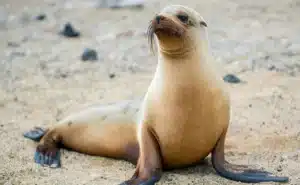
Eared Seals: Everything You Need to Know
Home / Animal Types / Seal Eared seals are one of the most fascinating marine mammals in the animal kingdom.

Earless Seals: Key Insights on Their Life and Survival
Home / Animal Types / Seal Earless seals are fascinating marine mammals known for their adaptability to both land and

Elephant Seals vs. Other Seals: What Makes Them Unique?
Home / Animal Types / Seal Elephant seals are one of the most fascinating marine mammals, often compared to other

Harbor Seal: Facts, Habitat, Diet, and Unique Traits
Home / Animal Types / Seal Harbor seals are one of the most well-known and widely distributed marine mammals in

Harp Seal: The Adorable Arctic Marine Mammal
Home / Animal Types / Seal The harp seal is one of the most iconic marine mammals of the Arctic
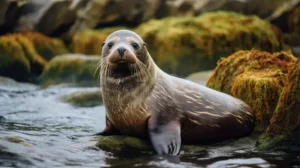
How Long Do Seals Live in the Wild and Captivity?
Home / Animal Types / Seal Seals are fascinating marine mammals that have captured the interest of people worldwide due

Leopard Seal: The Antarctic’s Top Predator
Home / Animal Types / Seal The leopard seal is one of the most fascinating and fearsome marine predators in

What Are the Differences Between Seals and Sea Lions?
Home / Animal Types / Seal Seals and sea lions may look similar, but they have key differences that set
What Are the Natural Predators of Seals?
Home / Animal Types / Seal Seals may seem playful and carefree, but life in the wild is far from

What is the Characteristic of Seals?
Home / Animal Types / Seal Seals are one of the most fascinating marine mammals on the planet. They are